Another day, another U-turn.
The latest climbdown by Keir Starmer’s government in little over 19 months since winning a massive majority in the general election is on an unpopular plan to introduce compulsory digital ID for workers.
By a rough count this is the 13th U-turn following reversals on winter fuel payment, the two child benefit cap, income tax increases, ditching business rate relief on pubs and many more.
No wonder the Lib Dems were prescribing motion sickness pills for Downing Street this morning to deal with the number of U-turns the prime minister is taking.
A minister last week suggested that the number of U-turns was a sign of strength because it showed a government “that is listening”.

That is a charitable way of looking at it, but the reality is that so many U-turns are a sign of one thing – weakness.
Governments that perform U-turns do so generally because they do not have the strength to push through their agenda. It is actually rarely because of anger in the country.
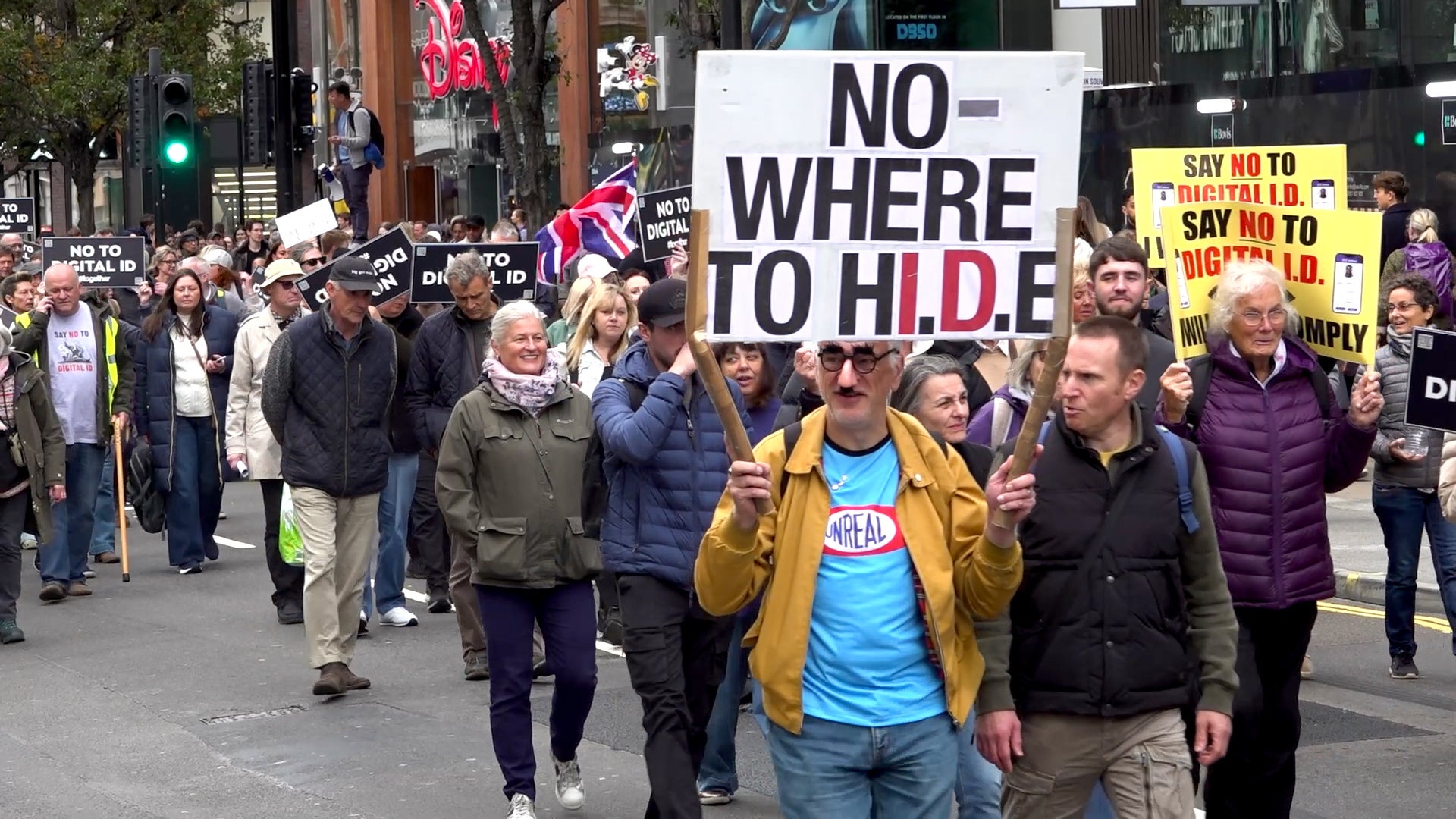
So the 3 million people who signed the petition against the digital ID plan may have influenced the decision, but it was the arithmetic in the Commons that would have been more important.
Many Labour MPs saw the policy as intrusive, too expensive, unnecessary and an attempt to revive a failed Tony Blair plan.
Getting the original digital ID plan through was going to prove to be much harder than it should have been for a government elected with a majority of 170 less than two years ago.
And this is unlikely to be the last U-turn by any means. Already, as reported by The Independent at the weekend, some Labour MPs are expecting a U-turn on plans to remove the right to a jury trial except for the most severe offences.
The problem with this government appears to be that the prime minister himself lacks the authority to get his policies through and to keep his backbenchers in line.
Ever since the welfare rebellion before the summer, that forced him to back down on what were actually moderate cuts to the benefits budget, backbenchers have known that if they push back strongly enough then he will fold.
Even random proverbial punishments of suspending the whip of some rebels appears to have little to no effect in restoring order.
The worst kept secret in Westminster is that at some point this year there will almost certainly be an attempt to replace Sir Keir as Labour leader and prime minister. There are a number of candidates tipped to replace him, including health secretary Wes Streeting, energy secretary Ed Miliband, former deputy prime minister Angela Rayner and Greater Manchester mayor Andy Burnham.
The problem is that digital ID was a relatively popular with the public except when the prime minister’s name was attached to it. It is his personal unpopularity reflected in the dire polls for Labour where the party is stuck at 19 per cent that is alarming MPs and having such a corrosive effect on this government.
A YouGov poll this week suggested that Sir Keir had managed to reach a record level of unpopularity with the public – and that is before he tries to ban X (although expect a U-turn there as well).
The great Tory strategist Sir Lynton Crosby had a phrase “knocking the barnacles off the boat.”
By this he meant, getting rid of unnecessary policies and ideas which distracted from the main business of government as a means of survival. It was what political leaders go when they are trying to see off leadership challenges or limit political damage in an election.
This is exactly what Sir Keir is doing to preserve his premiership. He is in survival strategy. The trouble for the prime minister is that, rather than knocking the barnacles off his boat, he has lost control of the tiller.
