A boss of crisis-hit South East Water (SEW), which has been rocked by supply problems impactingthousands of people across Kent and Sussex, has said higher bills are needed to build up the water company’s resilience.
SEW has claimed the latest supply failure was caused by burst pipes and power cuts caused by Storm Goretti – but the company has faced anger from the public and politicians alike, who have said the service is not up to scratch.
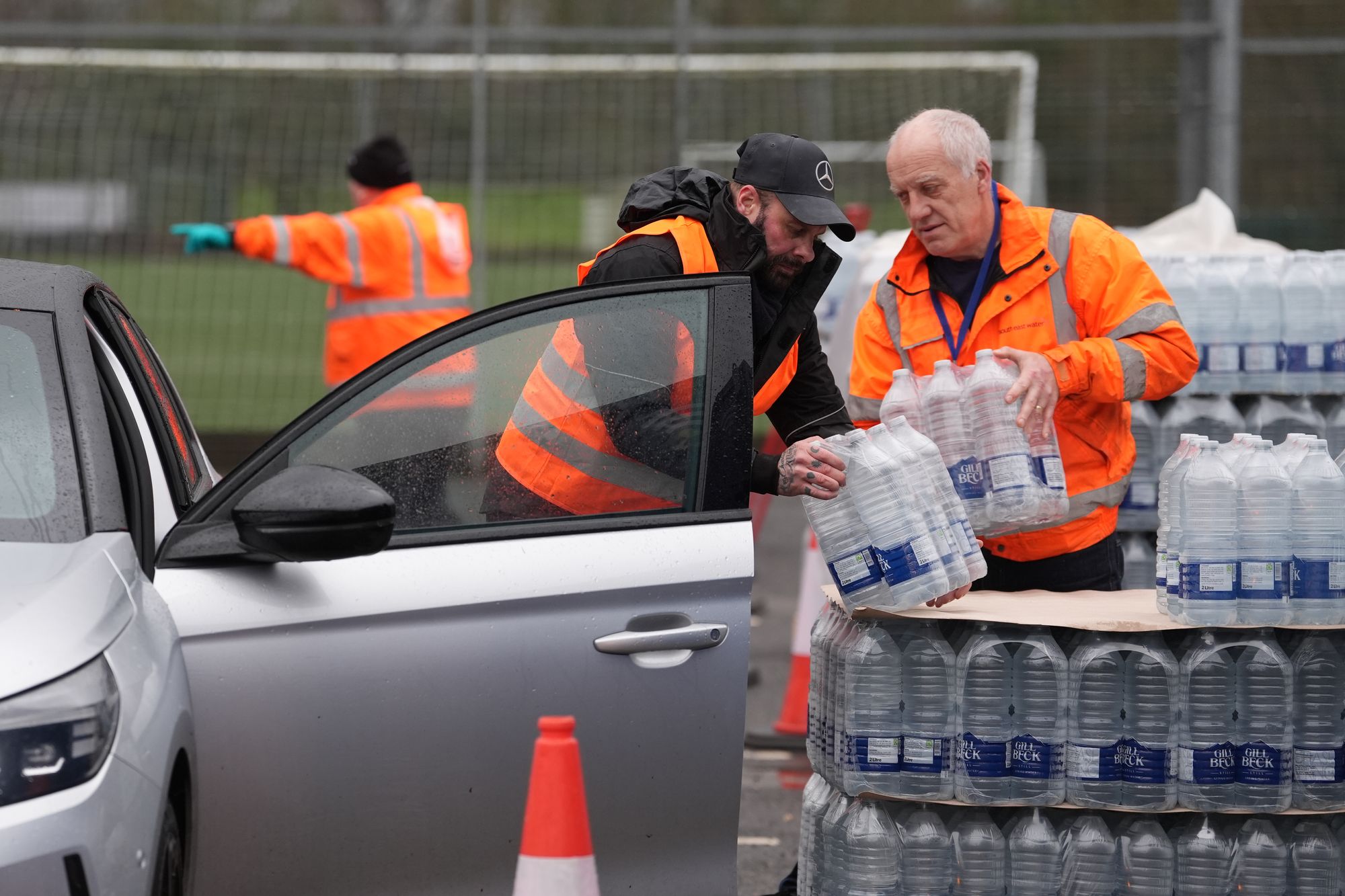
Some 30,000 homes were left without water in places such as Tonbridge, Sevenoaks and Tunbridge Wells, with many residents having to seek supplies from bottle collection points set up across the impacted areas.
Now, as water regulator Ofwat continue an investigation into the company, its chairman, Chris Train, has told MPs that more money is required to pay for prevention measures to stop outages.
Last year, the water company put up bills by 20 per cent from the previous year, meaning the average household bill is £294. It is also one of five companies hoping to raise bills above a figure set by the reguator for the next five years.
In his letter to the environment select committee, Mr Train, said: “We proposed what we considered were necessary and appropriate delivery plans to secure resilience to Ofwat through the price review process.
“Ofwat’s decision to, among other things, refuse to fully fund key resilience schemes meant that, as a board we were left with no option but to take the difficult decision to appeal Ofwat’s determination to the Competition and Markets Authority in March 2025.”
He said he expected the outcome of CMA’s decision, which provisionally allowed an increase on bills by a further four per cent on top of the previously granted 24 per cent, to be finalised in the coming weeks.
Mr Train said that the company, unlike other water firms across the country, faced faster and harsher impacts of climate change. He also said it was facing an increased demand for water, which required “very significant additional infrastructure”.
However, on Wednesday, suggestions of further price hikes were met by anger in towns and villages impacted, where schools and businesses were forced to close, with many claiming the company had failed to keep them informed on the situation.
The latest shortage also followed disruption before Christmas, when more than 20,000 properties were left without water.
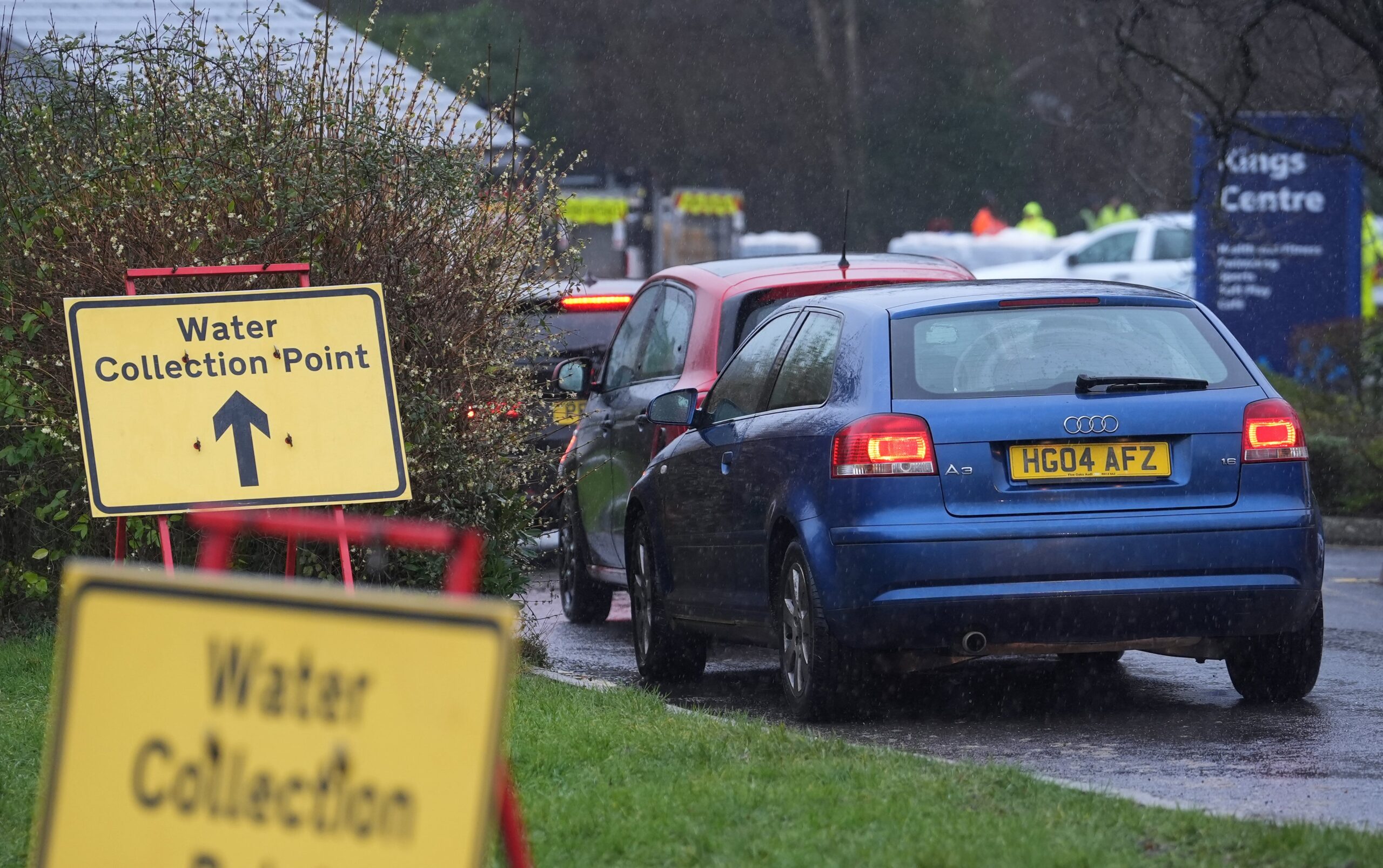
Paddy McGinley, who lives in the Ulcombe, near Maidstone, said he and other villagers were having to buy and take bottled water to vulnerable members of his community during the shortage.
“We’re doing their job for them,” he told The Independent. “How can they expect us to pay more. They are a water company, it’s their job to supply water, they need to sort this out themselves, not make every excuse under the sun and ask us to pay more.”
Mr McGinley said he was urging villagers to remove any unused credit in their water accounts in protest over the company’s performance.
Meanwhile, Alastair Carmichael, the chairman of the environment select committee told The Telegraph that Mr Train’s letter showed he “fails to show a proper grasp on the seriousness of the situation”.
He added: “We shall want to have a further evidence session to get to the bottom of the multiple problems of South East Water. Their customers deserve answers and to know that they have access to safe and reliable water. The company will not be allowed to avoid that.”
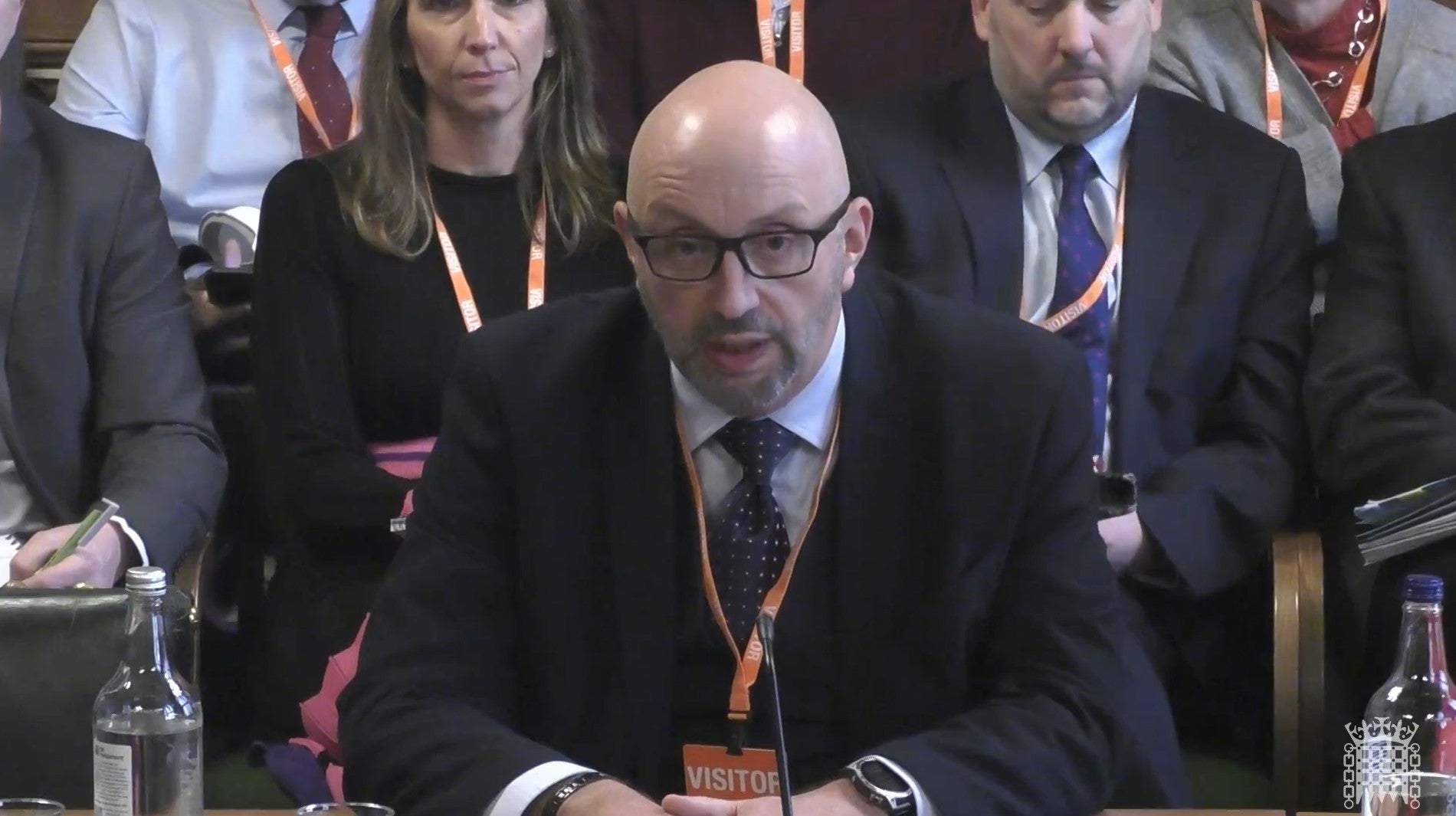
On Monday, SEW’s chief executive David Hinton was grilled by MPs by Mr Carmichael and other members of the Environment Food and Rural Affairs Committee. On the same day, during an urgent question in the Commons, several MPs called for the government to remove Mr Hinton from his post.
Shadow work and pensions secretary Helen Whately said: “It is not for the first time, the chief executive of South East Water has shown us he is not up to the job. Can I urge the honourable lady to use any power she has to move him on?”
South East Water has repeatedly apologised for the water shortages. In a statement on its website on Wednesday, it said: “We’re extremely sorry to all customers who currently have no water or low pressure.
“We know how tough it is to be without water and this is not the level of service we want to provide. We are using every available resource to water supplies; from fixing leaks to rerouting water around our network.”
The water company said customers were continuing to have problems with supply in Tunbridge Wells and Tonbridge.
