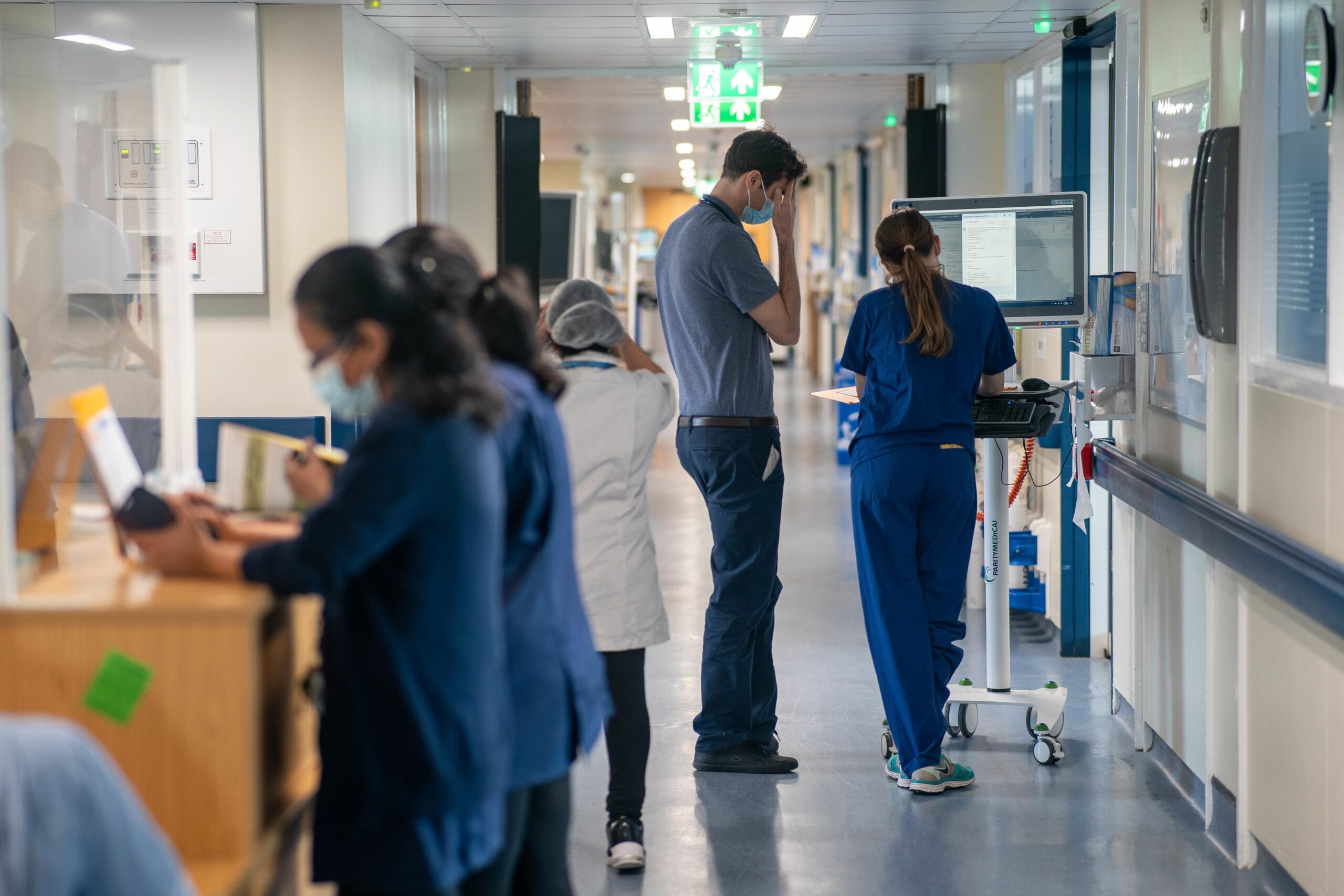
As winter peaks, strains of norovirus are sweeping Britain, adding further demand on NHS workers who are struggling to cope with a surge in admissions.
Cases of norovirus, also known as the winter vomiting bug, are now highest in individuals aged 65 years and over. The main symptoms of the stomach bug, which causes gastroenteritis, are vomiting, diarrhoea, nausea, and fever.
While norovirus activity remains at expected levels for this time of year, the number of admissions, alongside a spike in flu cases, has put strain on NHS trusts across the country.
With four NHS trusts declaring a “critical incident” due to a surge of admissions for norovirus and flu, health secretary Wes Streeting has warned that health services are “not out of the woods yet”.
NHS Surrey Heartlands said the situation had been “exacerbated by increases in flu and norovirus cases and an increase in staff sickness”.
How can norovirus spread?
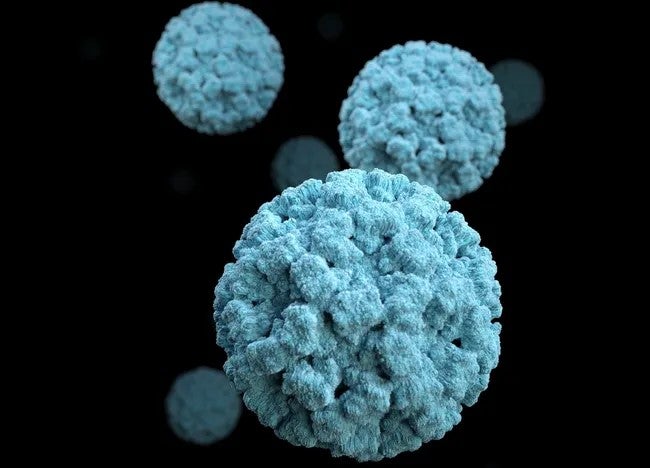
Norovirus is highly infectious and is most commonly spread through close contact with someone who is infected, by touching your mouth after touching surfaces or objects that have the virus on them, eating food that has been handled by someone with the virus, or drinking unclean water.
Outbreaks are common in semi-enclosed environments such as hospitals, nursing homes, and schools.
Amy Douglas, a lead epidemiologist at UKHSA, said: “Washing your hands with soap and warm water and using bleach-based products to clean surfaces will also help stop infections from spreading. Alcohol gels do not kill norovirus, so do not rely on these alone.”
What are the symptoms?
The most common symptoms of norovirus are vomiting, diarrhoea, nausea, and fever. The virus can also cause stomach pain, headaches, and body aches and pains.
Dr Douglas said: “If you have diarrhoea and vomiting, do not return to work, school or nursery until 48 hours after your symptoms have stopped and do not prepare food for others in that time either. If you are unwell, avoid visiting people in hospitals and care homes to prevent passing on the infection to those most vulnerable.”
What should I do if I have it?
Norovirus typically lasts for two days and can usually be treated at home. The NHS recommends those infected to get plenty of rest, drink lots of fluids, take paracetamol if in discomfort, and eat when possible.
Those with babies should continue breast or bottle feeding their baby and give them formula or solid foods, and small sips of water between feeds.
The NHS advises those who cannot keep fluid down, have bloody diarrhoea or have a child who stops breast or bottle feeding, to call 111 for further advice.
