Children should be banned from using social media because they cannot cope with the toxic hate speech online, the government’s independent reviewer of terrorism has warned.
After Australia because the first country to ban under-16s from social media platforms last month, Sir Keir Starmer has faced growing pressure to act amid warnings about its impact on young people, particularly around mental health issues and radicalisation.
Conservative Party leader Kemi Badenoch said her party would follow Australia’s lead if they win power, while some within the Labour Party – including Greater Manchester Mayor Andy Burnham – have called on the government to go further with the regulation of social media use.
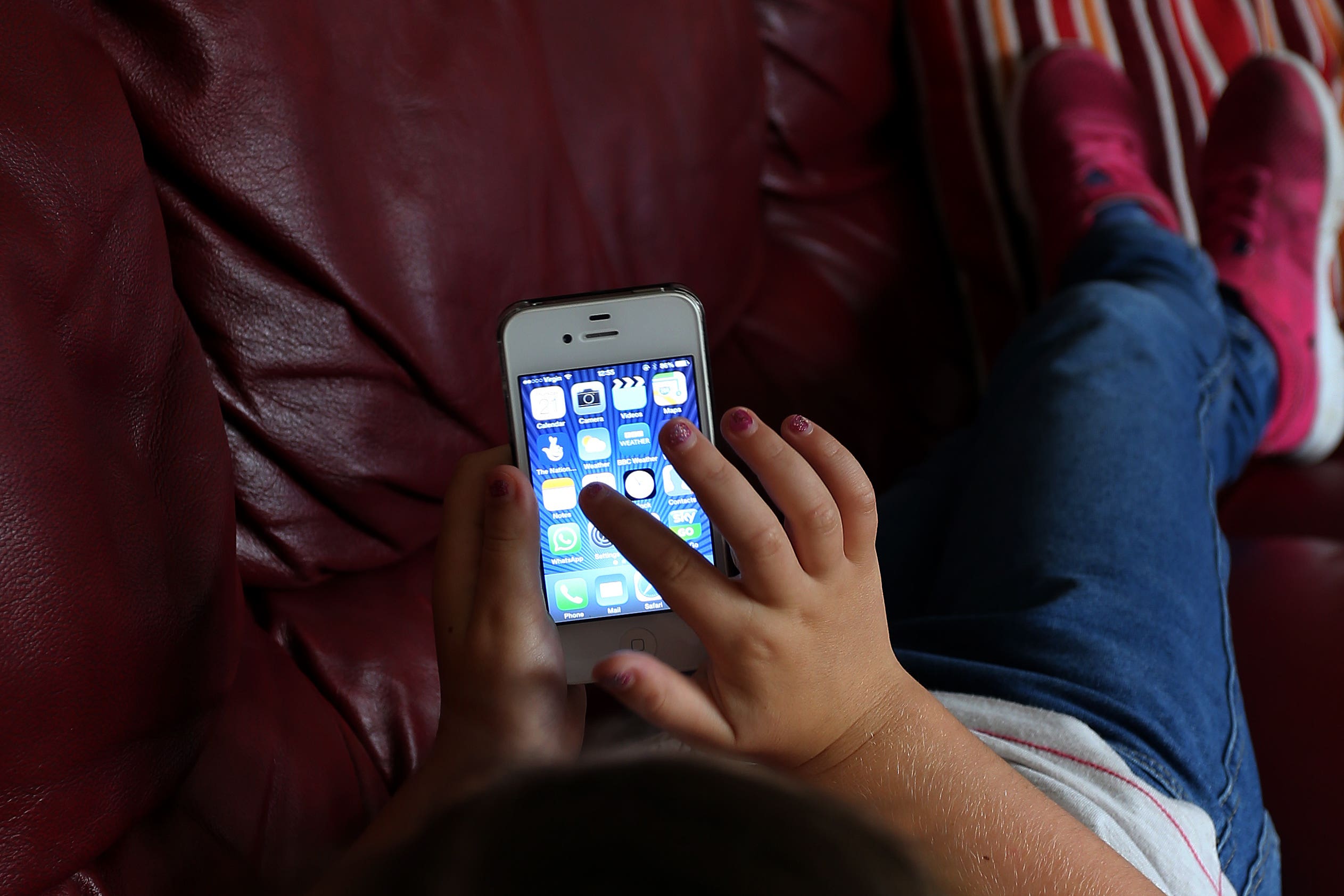
Now Jonathan Hill, the government’s ‘terror tsar’, has backed calls for a social media ban for children, warning that “the question of how to regulate the online space is the most urgent question of our day”.
He said: “When it comes to hatred online, the only thing I’ve reached the conclusion is that children should be offline because their brains are not capable of dealing with this hatred.”
However, he added: “But we’re also talking about adults who are also influenced by hatred.”
The recent Online Safety Act in the UK reflected research that children’s brains were being harmed and changed by exposure to toxic materials, hatred, self harm material and pornography.
While the act brought in mandatory age verification for adult content the government has resisted an outright ban on social media for under-16s unusually with agreement from Reform UK Nigel Farage on the issue.
Research from the Health Behaviour in School-aged Children (HBSC) study, which surveyed almost 280 000 young people aged 11, 13 and 15 across 44 countries and regions in Europe, central Asia and Canada in 2022, found an increase in problematic social media use.
This included more than one in 10 adolescents (11 per cent) showed signs of problematic social media behaviour, struggling to control their use and experiencing negative consequences.
Addressing a question on policing the online space, Mr Hall claimed that ministers and the public at large do not understand the limitations of their powers in dealing with social media platforms like Elon Musk’s X.
It comes in a week where the government has waded into a major battle over the AI tool on X, Grok, and the way it is being used to produce sexualised images of women and children.
The issue has seen Sir Keir and other ministers stop using their X accounts with the prime minister vowing to take “fast action” against X if it does not resolve the problems with Grok.
“I think that the way that the debate is even talked about – with the prime minister saying we are going to ban X – is wrong, because very few people understand the limitations of what the UK can do. That includes expressing what we can do about X and any acquired features,” Mr Hall said.
It came in a wide ranging speech on the consequences of the Bondi Beach Islamist attack in Australia, with Mr Hall warning that hatred of Jews and Israelis “has been normalised” through protests in the UK and other western democracies.
He criticised the police for not dealing with hatred including calls to “globalise the intifada” or “kill the IDF”, arguing that the “lacked the resolve” to use existing laws to tackle hatred.
He warned that there needs to be a rethink about the approach to free speech and the right to protest in the light of the consequences of the pro-Palestinian protests against Israel.
Mr Hall also admitted he is concerned about agents of the Iranian Ayatollah regime targeting people in the UK as an extension of its brutal crackdown on protesters.
But he would not be drawn on whether the government should prioritise a change in the law to allow it to proscribe Iran’s Islamic Revolutionary Guard Corps (IRGC).
But Mr Hall was most worried by the correlation between hate speeches on marches and terrorist atrocities.
“I do know is that there is a proximity to street protest. There is a licensing which comes when you see a fellow person on the street saying something which is different from some anonymous avatar expressing themselves online.”
He pointed out that the law explicitly describes racism as hatred of someone based on their nationality but said “hatred of Israelis” has been normalised.
He specifically referenced the row over the West Midlands Police banning Maccabi Tel Aviv football fans because of a fear of armed attacks from them from Islamist community groups in Birmingham.
And he said police chiefs need to do more on cracking down on hatred in protests and Mosques.
He said: “I tend to think that what is lacking is not law, but resolve. One of the things I found slightly frustrating about some of the commentary from leading police officers is the complaint that they don’t have enough law. And I actually think that the question is, do they have enough resolve.”
