Gay, trans and non-binary people are nearly three times as likely as straight people to die of drug poisoning with their risk of alcohol-related death nearly two times higher, suggests official figures.
The Office for National Statistics (ONS) has for the first time analysed differences over three years in causes of death among adults by sexual orientation in England and Wales.
The head of a mental-health charity for LGBT+ people said he was not surprised by the findings because depression rates were much higher among that population.
Peter Nesbitt, director of Mind Out, said it was difficulties and prejudices in society that increased the risk of people turning to drugs and alcohol, not that their sexuality made them more prone to it.
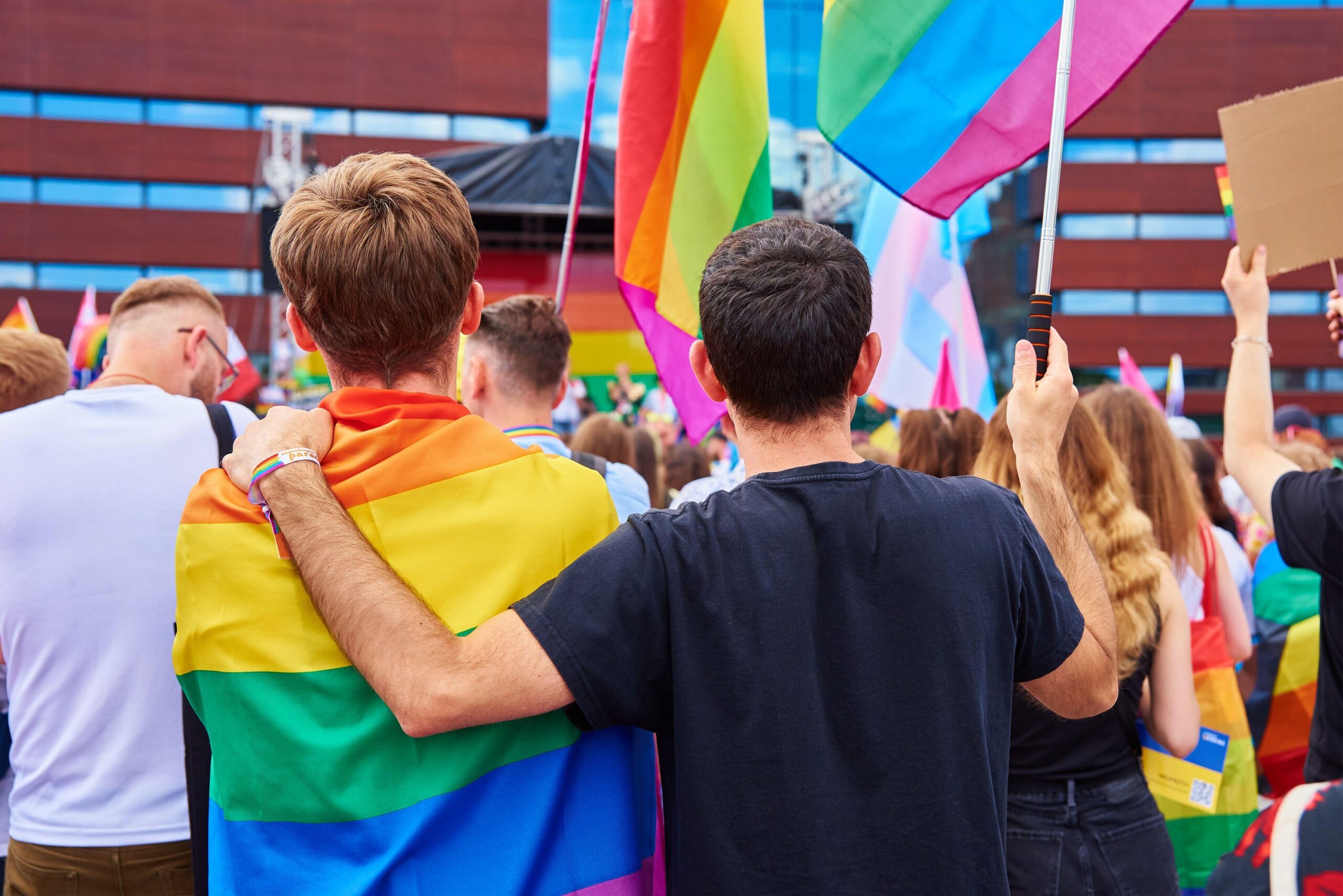
He said: “People still get kicked out of their homes, conversion therapy is still legal and there’s a lot of homophobia and transphobia about.”
In surveys, 52 per cent of all LGBT+ survey respondents had experienced depression, he said, 67 per cent of trans people had experienced depression and 70 per cent of non-binary people had experienced depression, compared with 16 per cent of the general population.
LGBT+ people were more likely to experience hate crimes and less likely to report it, and more likely to have been homeless, especially younger people, he said.
The ONS statistics show that from March 2021 to November 2024, there was a 1.3 times greater risk of death from any cause for people identifying as lesbian, gay, bisexual or “other” (LGB+) than for those who were heterosexual or straight.
The age-standardised rate of death was 982.8 per 100,000 people for the LGB+ group, compared with 752.6 per 100,000 people in the heterosexual group.
On alcohol-specific deaths, the ONS found the risk among the LGB+ group was 1.8 times higher, with a rate of 51.8 deaths per 100,000 people, against 29.5 among others.
For drug poisoning deaths, the risk was 2.8 times higher in the LGB+ group, at 57.5 deaths per 100,000 people against 20.6 deaths per 100,000.
Coronary heart disease was the main cause of death in both groups, accounting for 11.9 per cent in the LGB+ group and 10.7 per cent among others.
The data also shows suicide is the leading cause of death in the younger age brackets for both groups, but that the proportions of deaths by suicide are “markedly higher” in those identifying as LGB+.
Some 45.3 per cent of deaths among 16- to 24-year-olds were suicide, compared with 26.6 per cent of straight people in this age group.
The figure was also higher for those aged 25 to 34 and 35 to 44.
Mr Nesbitt said repeated “microaggressions” such as attempts at jokes or deliberately using wrong pronouns made people feel belittled or humiliated.
Catherine Meads, a professor of health at Anglia Ruskin University (ARU), who has researched the subject previously, said: “Young people who identify as LGBT+ are also almost twice as likely to die by suicide as their heterosexual peers. This is a terrifying statistic and one that I hope will prompt urgent discussions at the very highest level, as these deaths are preventable.”
Prof Meads said higher rates of heart disease deaths could be down to higher rates of smoking in LGB+ groups.
A Stonewall spokesperson said globally, LGBTQ+ rights and freedoms were being contested.
“Prejudice towards marginalised groups is increasing; hate crimes are on the rise for the LGBTQ+ community and other marginalised groups, and less than half of people who identify as LGBTQ+ feel safe holding a partner’s hand in public.
“We should not draw direct links between this febrile atmosphere for LGBTQ+ communities and these new ONS data, but they make for difficult reading.”
If you are experiencing feelings of distress, or are struggling to cope, you can speak to the Samaritans, in confidence, on 116 123 (UK and ROI), email jo@samaritans.org, or visit the Samaritans website to find details of your nearest branch. If you are based in the USA, and you or someone you know needs mental health assistance right now, call or text 988, or visit 988lifeline.org to access online chat from the 988 Suicide and Crisis Lifeline. This is a free, confidential crisis hotline that is available to everyone 24 hours a day, seven days a week.If you are in another country, you can go to www.befrienders.org to find a helpline near you
