The future of a leading Australian arts festival hangs in the balance after former New Zealand premier Jacinda Ardern became the latest prominent figure to pull out in solidarity with a Palestinian writer.
More than 70 participants have joined a boycott of the 2026 Adelaide Writers’ Week in protest against the organiser’s decision to rescind its invitation to Palestinian-Australian author Randa Abdel-Fattah following the Bondi Beach attack on a Jewish event.
The Adelaide Festival Board argued last Thursday that “it would not be culturally sensitive to continue to programme her at this unprecedented time so soon after Bondi”. It added the decision wasn’t suggesting that Ms Abdel-Fattah or her writing had any connection to the attack.
The decision has triggered a widespread boycott by international writers and commentators.
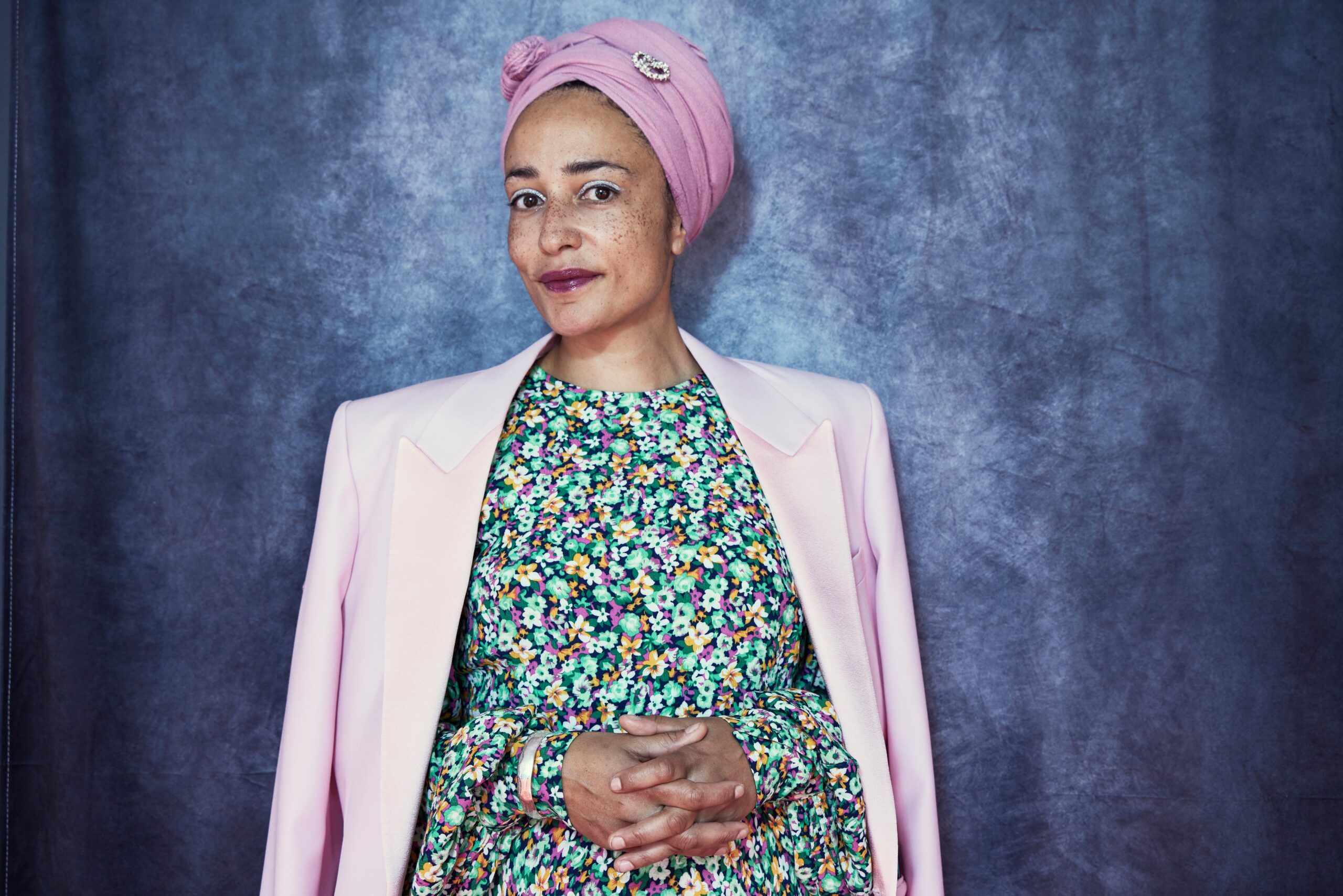
Pulitzer winner Percival Everett, bestselling author Zadie Smith, Greek economist and politician Yanis Varoufakis, Irish novelist Roisín O’Donnell, Australian poet Evelyn Araluen, and Russian-American journalist M Gessen confirmed that they wouldn’t attend.
Adelaide drinks manufacturer Mischief Brew withdrew its sponsorship while former festival leaders signed an open letter urging the board to reinstate Ms Abdel-Fattah.
Adelaide Writers’ Week is part of the Adelaide Festival, one of Australia’s most prestigious arts events, held annually in South Australia’s capital and attracting top writers, artists and performers from across the world. It celebrates opera, theatre, dance, classical and contemporary music, literature, visual art, and new media, and holds a central place in the country’s cultural calendar.
The festival is scheduled to begin on 28 February.
Adelaide Festival Corporation executive director Julian Hobba broke his silence on the matter with a brief statement on Monday afternoon, saying the situation was “complex and unprecedented” and that he would share further updates soon.
Ms Abdel-Fattah said she was considering legal action while still hoping for a change of decision by the board.
“I would love for it to be reinstated, the decision to cancel me to be revoked, to be rescinded, and for the event to go on. For those who made this decision to be held accountable, for everyone’s questions about how this could have happened to be answered and steps to be taken so that does not happen again,” she told the ABC.
“I don’t really know how it’s possible this can be undone, given the scale of destruction.”
The author added, however, that she didn’t think that “we are beyond the point of no return.”
Former Adelaide Festival director Jo Dyer said the event “hangs in the balance”. “Both the board and the premier had been warned behaving in this way would result in these sorts of far-reaching consequences and there seems to have been cavalier negligence with the future of one of the state’s most beloved institutions,” she said.
“The board was split, but subsequently resolved to stand their ground on the issue of uninviting Dr Abdel-Fattah and now we’re living with the consequences.”
Kathy Lette, one of the writers boycotting the festival, wrote on social media that the decision to bar Ms Abdel-Fattah “sends a divisive and plainly discriminatory message that platforming Australian Palestinians is ‘culturally insensitive’.”
Ms Abdel-Fattah is a Macquarie University academic who researches Islamophobia and Palestine. She previously faced criticism from Jewish groups for allegedly saying that Zionists had “no claim or right to cultural safety” as well as for sharing an image depicting a person parachuting down with a Palestinian flag following the 7 October attack by Hamas on Israel.
She later told ABC News she didn’t know the severity of the attack when she shared the picture.
“It was very, very early days, we still did not know what was happening,” she said. “At that point, I had no idea about the death toll, I had no idea about what was happening on the ground.”
She added that the image was just a “celebration of Palestinians who have been living under siege for multiple years, breaking out of their prison”.
