The Cabinet Office’s redaction of files relating to Andrew Mountbatten-Windsor has been compared to the controversial treatment of the Epstein files.
Andrew Lownie, a biographer of the former prince, said the decision to remove parts of the documents after they were released to journalists was “panicky”.
Mr Lownie, the author of Entitled, said: “It’s a bit like the Trump redactions (in the Epstein files). They’re slightly panicking and they do things without realising the consequences, trying to leave it or to play it down.
“I think there’s just a huge panic. Anything to do with Andrew is being excised from the record because they’re worried about what it might reveal.”
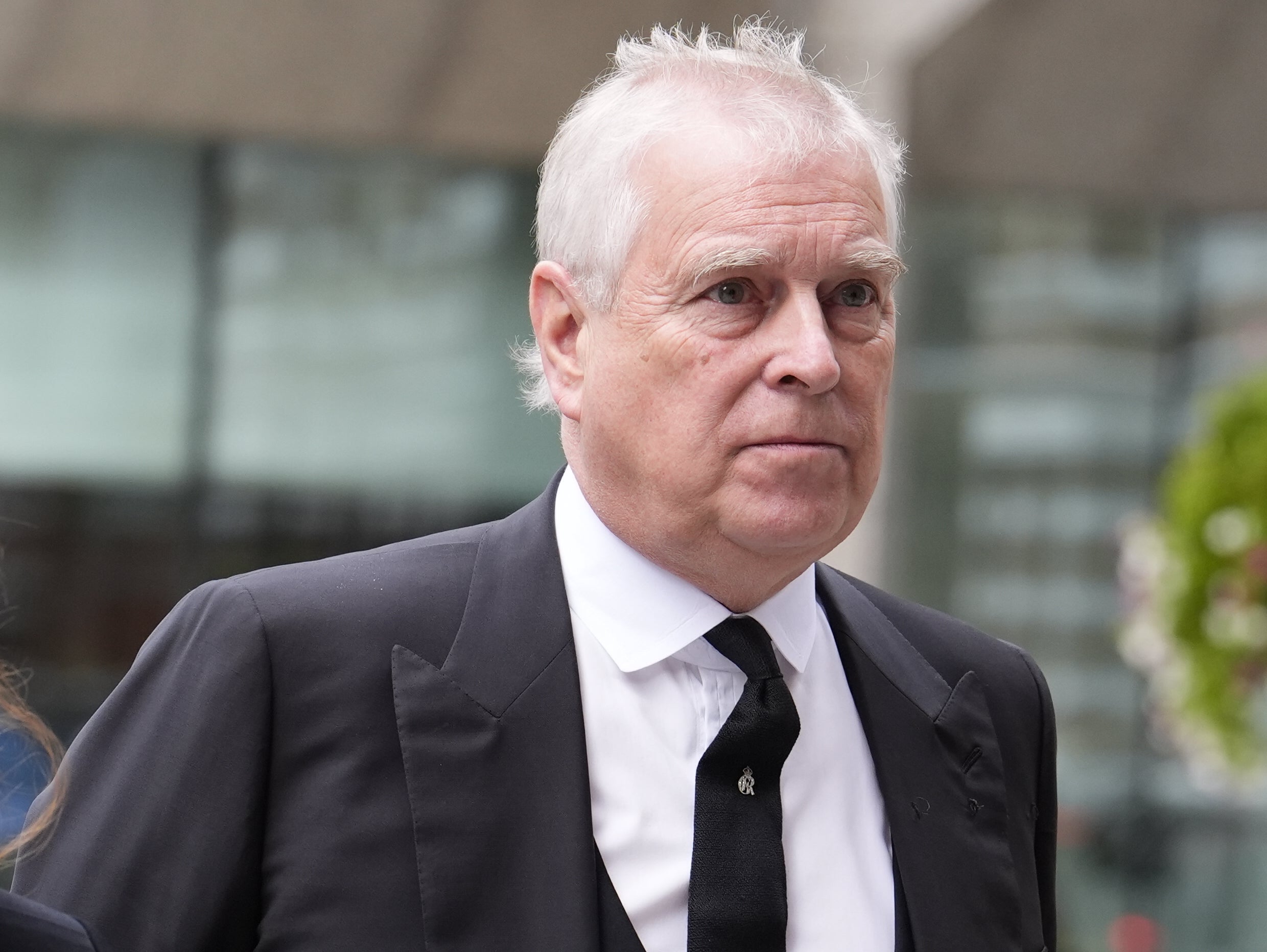
The Cabinet Office was accused of covering up for the royal family after it emerged that official papers which refer to Andrew have been withheld from the National Archives.
The annual release of government papers under the 20-year rule to the archives in Kew, southwest London, includes a No 10 file from 2004 and 2005 on royal visits.
The version made available to journalists under embargo, so they could prepare stories in advance, included minutes of a meeting where officials discussed the travel plans of royals – including the then Duke of York, when he was a UK trade envoy.
However, the minutes were later redacted from the file before it was released to the public.
The Cabinet Office, which is responsible for transferring the files to the National Archives, blamed an “administrative error”, saying they had never been intended for release.
However, Graham Smith, chief executive of anti-monarchy campaign group Republic, said there was no justification for withholding the documents, especially since Andrew has been stripped of his royal status amid continuing controversy over his links with the paedophile financier Jeffrey Epstein.
Labour MP Rachael Maskell also urged the government to provide clarity on why the files were not published.
Mr Lownie said all files relating to Andrew’s time as trade envoy up to 2005 should be released and called for parliament to investigate.
He told the Times: “A huge cover-up has gone on [concerning] Andrew’s excessive expenditure, little of it profiting the country, and it continues. I believe there needs to be a full parliamentary investigation into Andrew’s decade as special representative.”
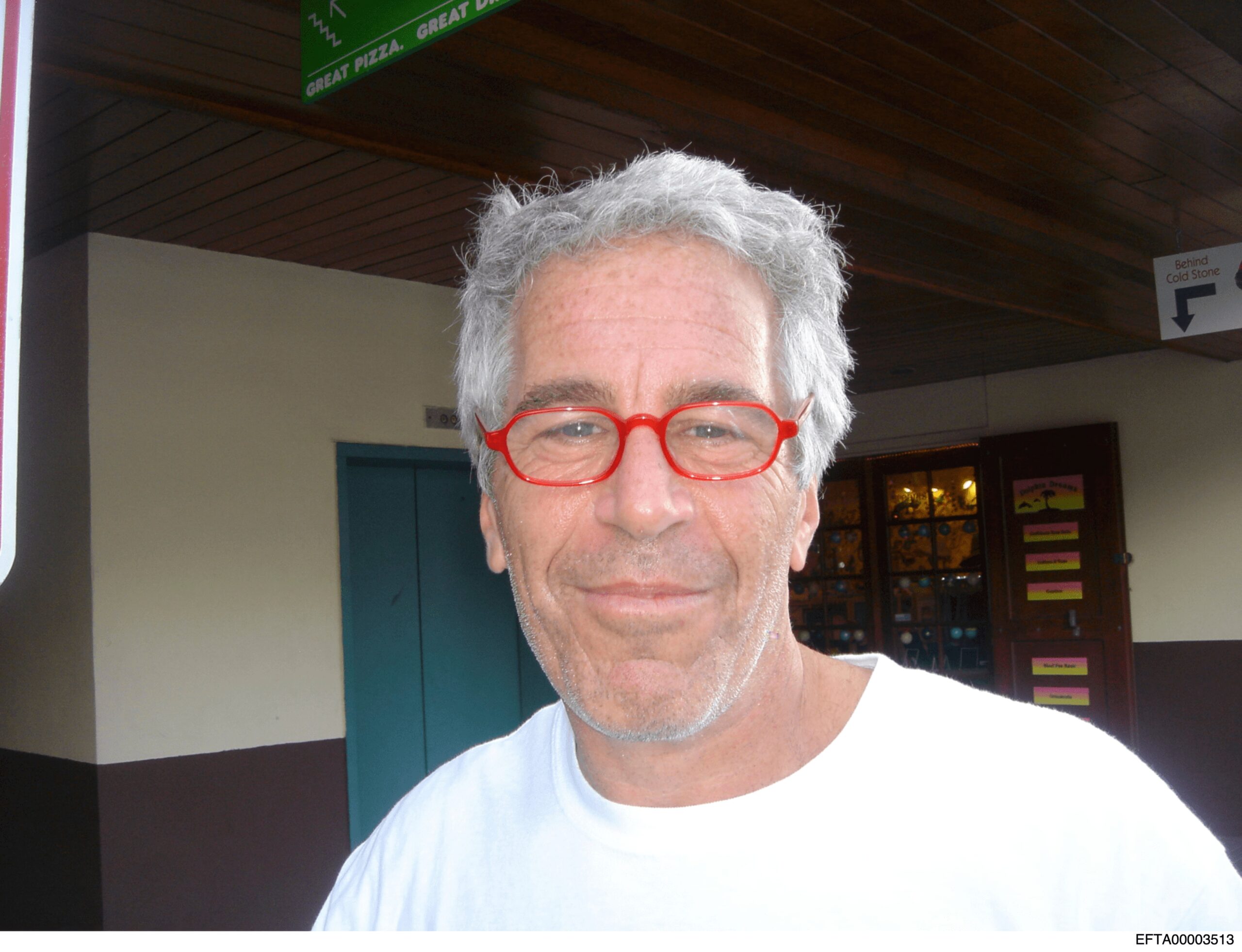
Earlier this month, Andrew, who has always denied any wrongdoing, was formally stripped of his last remaining royal titles following controversy over his links to Epstein.
The redacted files showed discussions by senior palace and Foreign Office officials about Andrew’s travel plans as a UK trade envoy – which earned him the nickname “air miles Andy” – with visits to China, Russia, southeast Asia and Spain.
Officials also raised the issue of whether the Football Association would be prepared to pay for him to attend the Euro 2004 tournament in Portugal as a royal representative.
Alison McClean, a researcher at the University of Bristol, also told the paper that the three exemptions cited by the Cabinet Office, designed to protect documents containing communications with the sovereign, as well as personal data or confidentiality, were “questionable”.
McClean added: “It seems to demonstrate how even the most innocuous material concerning even minor members of the royal family is being routinely withheld. In this case it is especially worrying that information on Andrew Mountbatten-Windsor’s activities as a UK trade representative are being blocked from release to the National Archives, as this relates to his role as a public servant rather than as a member of the royal family or, indeed, as a private citizen.”
The Cabinet Office said: “All records are managed in line with the requirements of the Public Records Act. Any release is subject to an extensive review process, including engaging expert stakeholders.”
