Conservationists have launched a dramatic rescue mission for one of the UK’s rarest plants, the starved wood-sedge, after it “rather catastrophically decided” to grow directly onto a public footpath. The critically endangered species, once considered the nation’s rarest plant, is found in just two native sites across the UK, one of which is at Axbridge in Somerset.
For over two decades, the Species Recovery Trust has diligently worked to safeguard the starved wood-sedge, which had dwindled to critically low levels. However, the small cluster of plants clinging to survival along a path edge near a woodland in Somerset faced a new, unexpected threat.
Dominic Price, director of the trust, explained the precarious situation: “In the last few years the plants have unfortunately, and rather catastrophically, decided to move off the bankside habitat we have maintained for them, and started growing directly on a public footpath. This has put them directly in harm’s way from being trampled.”
To prevent their demise, the trust made the decision to remove the plants from the track and transfer them into “captivity” at a specialist plant nursery. Here, they will be propagated and “bulked up” by splitting the clumps, allowing the sections to grow into fully mature plants capable of recolonising the original site.
Beyond this immediate rescue, the trust harbours ambitions to establish two new populations of the starved wood-sedge within the Mendip Hills National Landscape, ensuring their long-term safety from harm.
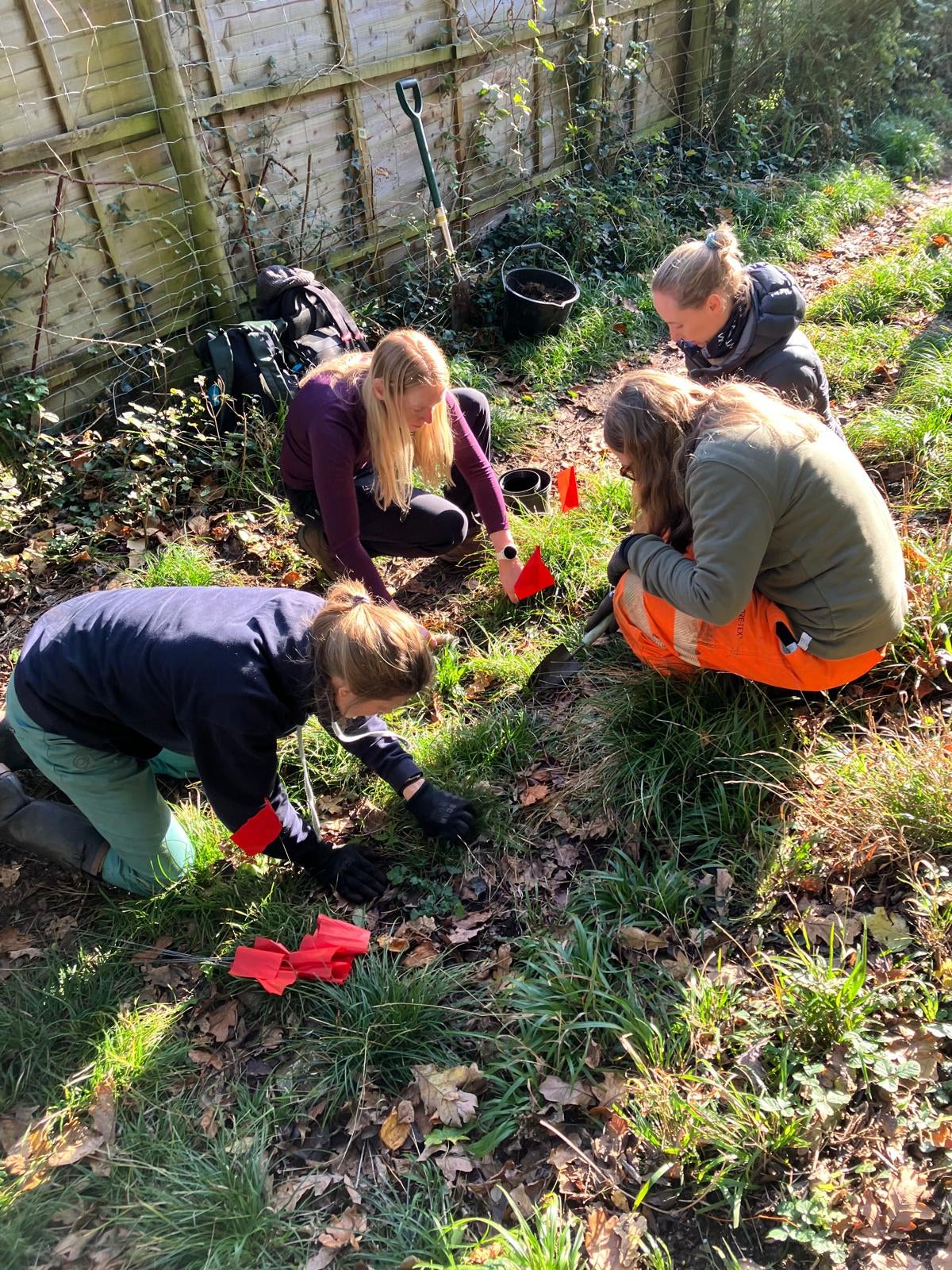
The “unassuming” grass-like species typically thrives in wetland environments such as bogs, fens, and swamps, as well as damp woodland edges. Despite its small, inconspicuous flowers, which feature both male and female blooms on the same plant, it plays a vital role in attracting a diverse array of insect pollinators. Experts highlight its broader ecological importance, providing habitat for insects, amphibians, and birds, and regulating water flow and nutrient recycling in wetlands.
The plant’s decline is primarily attributed to habitat loss and fragmentation, leaving it confined to its two native sites in Somerset and Surrey, alongside a scattering of reintroduction locations.
The Mendip Hills National Landscape team provided crucial funding for the Somerset project. Jim Hardcastle, the team’s manager, commented: “Nature recovery is key to our work these days so it’s great that we can help the Species Recovery Trust in their important work. At first glance this is quite an unassuming grass that many people will have walked past for years but it’s still an important part of the ecosystem and deserving of our attention and support.”
The Species Recovery Trust is committed to removing 50 species from the brink of extinction in the UK by 2050, a mission that includes animals like the New Forest cicada and the green tiger beetle, as well as plants such as field gentians and marsh clubmoss.
