This is no fun. We don’t read to be disappointed and even in an age when new books are breathlessly promoted as future classics (history shows it’s impossible to know), brilliant, surprising works appear each month.
Publishing is in rude health but hype does a disservice to readers and writers, and we need to be able to see through it, so here are nine books from this year that under-delivered, were over-praised or should simply never have seen the light of day. Maybe it is a little fun after all.
Dead and Alive by Zadie Smith
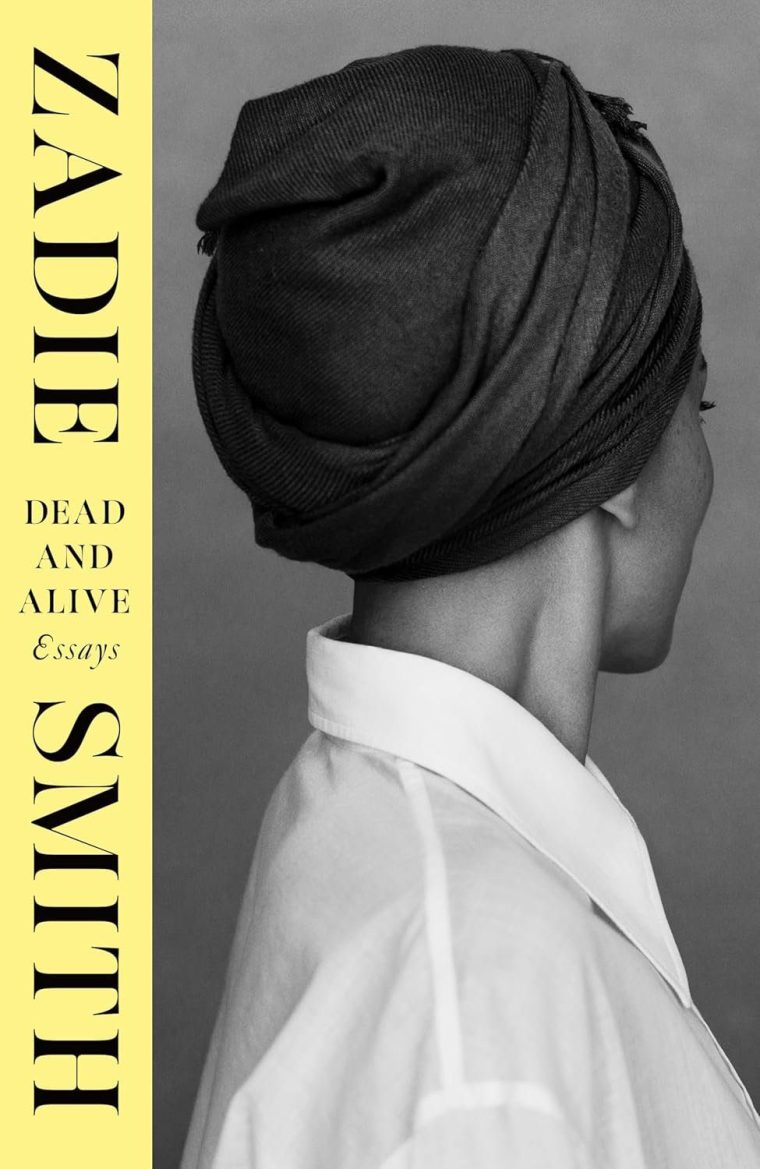
Zadie Smith’s previous essay collections – Changing My Mind and Feel Free – showed the evolution of her thinking on literature, film and art. Unfortunately, her latest is a bundle of articles, speeches and interviews. It’s not without highlights – pieces on Smith’s friendship with Hilary Mantel, visiting galleries as a time-poor mother and growing up in north-west London – are memorable, but I wish she had waited before she had enough pieces to put together a more consistent collection.
The School of Night by Karl Ove Knausgaard

Knausgaard became a literary celebrity with his My Struggle series, which drew readers into the life of its Norwegian author and made humdrum activities, such as cleaning, taking toddlers to rhythm time and enduring hangovers, memorable and hilarious. In his new series of six novels, he appears to be stuck. The books keep coming but they feel uninspired. This one is based on the Doctor Faustus myth, but literary references are worthless if what you produce is as much of a slog as this 500-page novel.
The Long Winter by Colm Tóibín
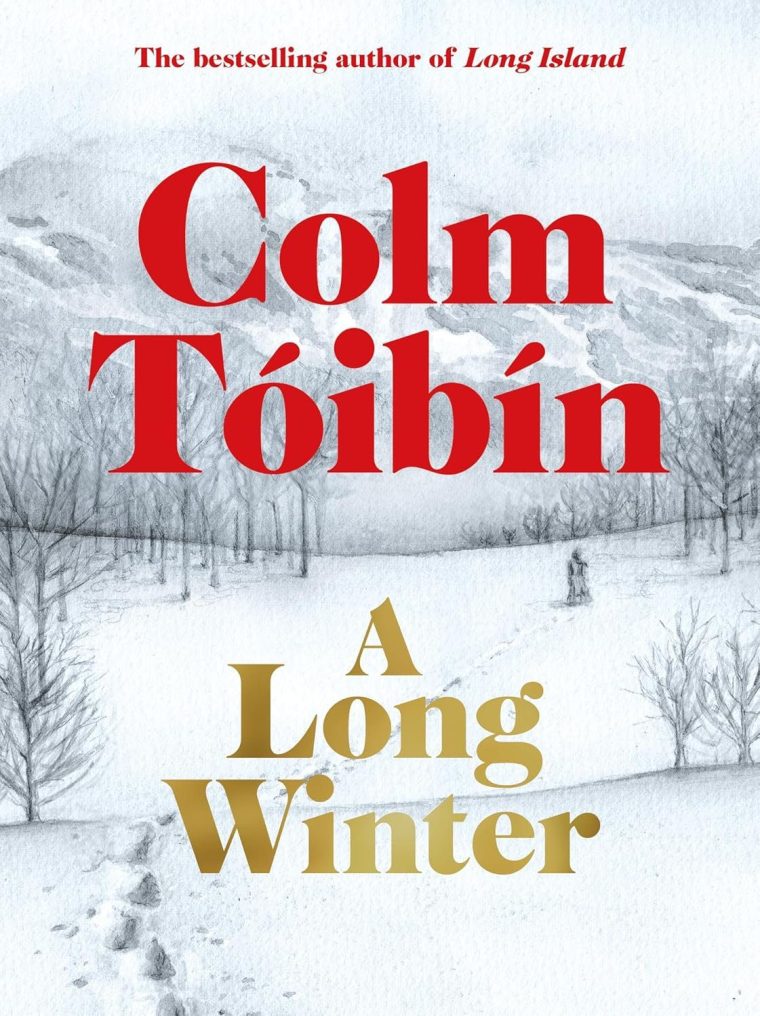
A sneaky publishing trend of recent years sees stories printed in big type, bound between shiny hardback covers and put out into the world as standalone books. There is nothing wrong with the content of this one, which will stay with you for its depiction of betrayal, loss and burgeoning love, in prose as elegant as you would expect from the Brooklyn author. But it is one story, which already appeared alongside eight others in Toibin’s 2006 Mothers and Sons, and if you want to read it you would be better off getting the collection.
Bread of Angels by Patti Smith
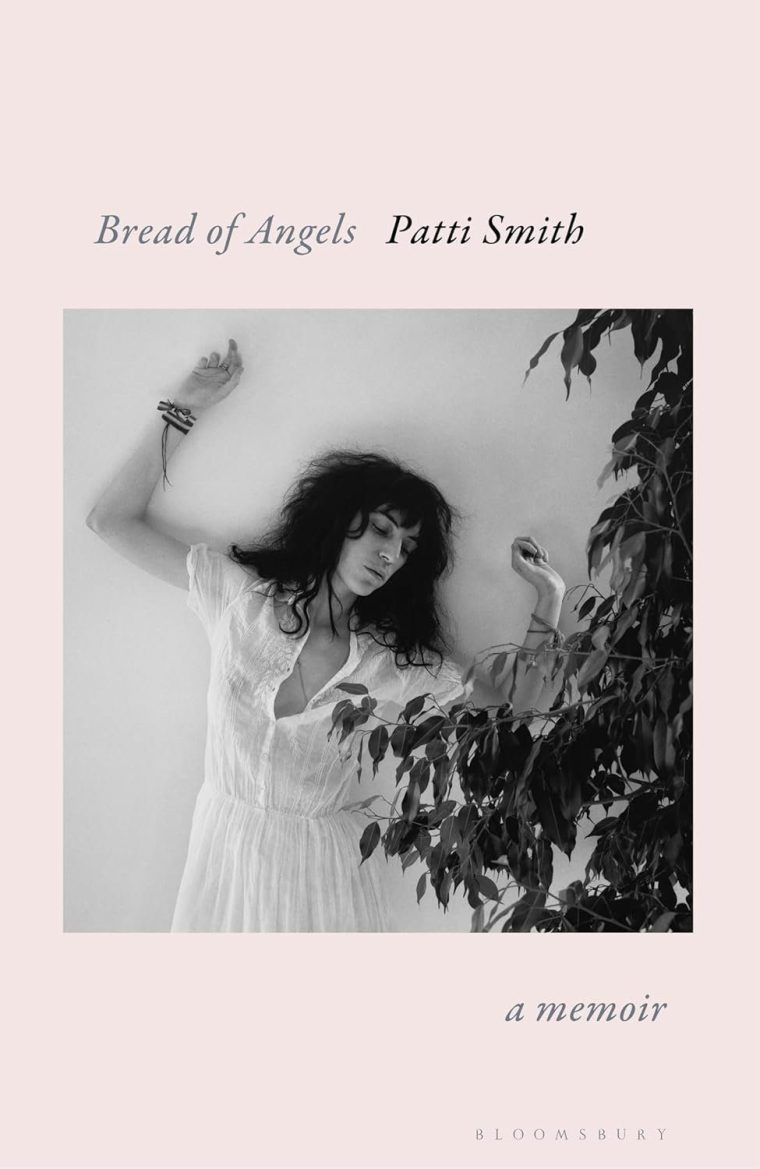
In Just Kids and M Train, Patti Smith wrote two of the most seductive memoirs of this century. The former was about her youth in 70s New York while the latter contained beautiful passages about seeing beauty in the everyday, going into reveries while eating white bean soup in cafes and visiting the graves of great writers. Much of her latest feels too familiar, and her self-mythologising is starting to grate. Smith, who’s never feared being labelled pretentious, reveals in passing that she wrote with an inkwell and fountain pen. Too much of Bread of Angels suggests her well has run dry.
The Land of Sweet Forever by Harper Lee
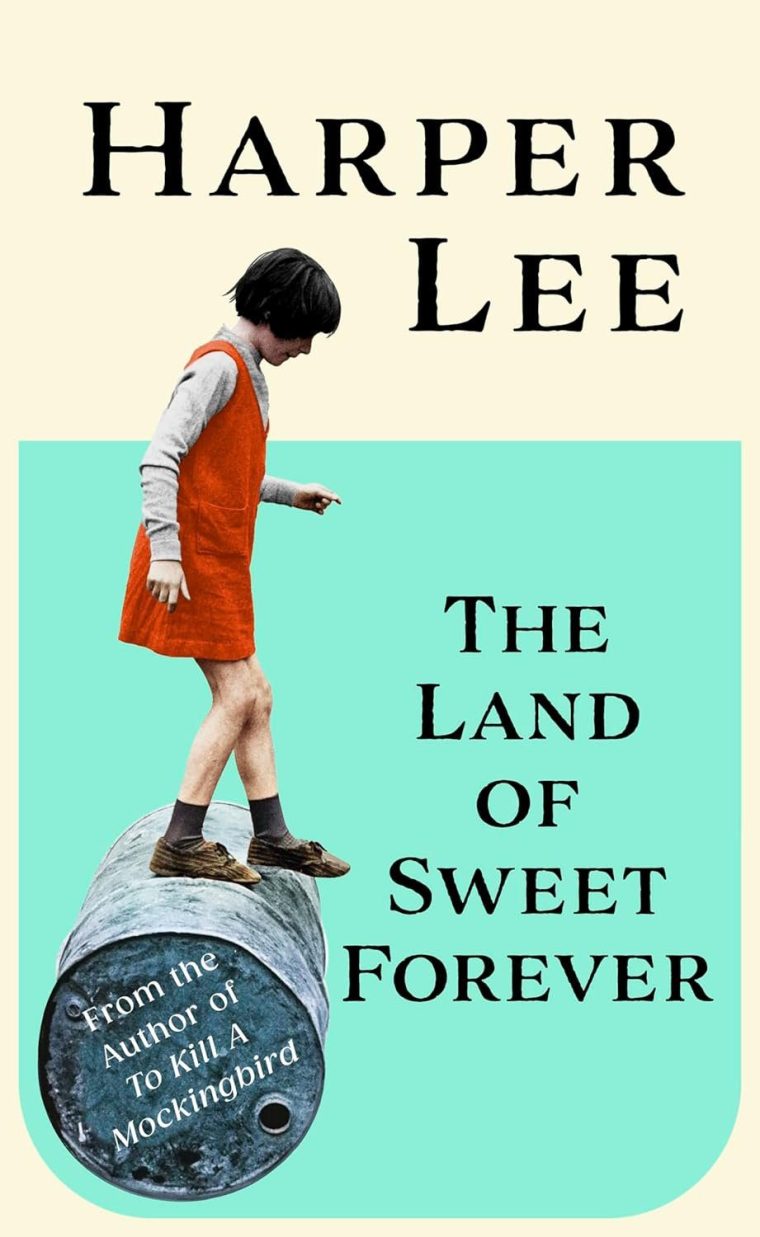
You wait more than 50 years for a Harper Lee book then two come along in a decade. The American author famously published To Kill a Mockingbird to great acclaim in 1960 then fell silent. That was until 2015, when Go Set a Watchman, which turned out to be little more than an early draft of her masterpiece, was ushered into print amid controversy.
This year saw the release of this collection of stories and essays by Lee, who died in 2016. The essays provide a glimpse of the young Lee and her world in the American South, but the stories, which she wrote before her novels, are unfinished, sketchy and will interest only the most committed fan.
Notes to John by Joan Didion

The great American journalist’s late publications – South and West and Let Me Tell You What I Mean – showed that it is worth scraping a barrel when it is rich with brilliance. The same is not true of this collection of diary entries, in which she reflects on attending therapy sessions with her alcoholic daughter Quintana. The entries are addressed to Didion’s husband John, who was not involved in the sessions, but they exist because Didion was a compulsive writer who had to get things down. It makes for uncomfortable reading and should not have been published.
Moral Ambition by Rutger Bregman
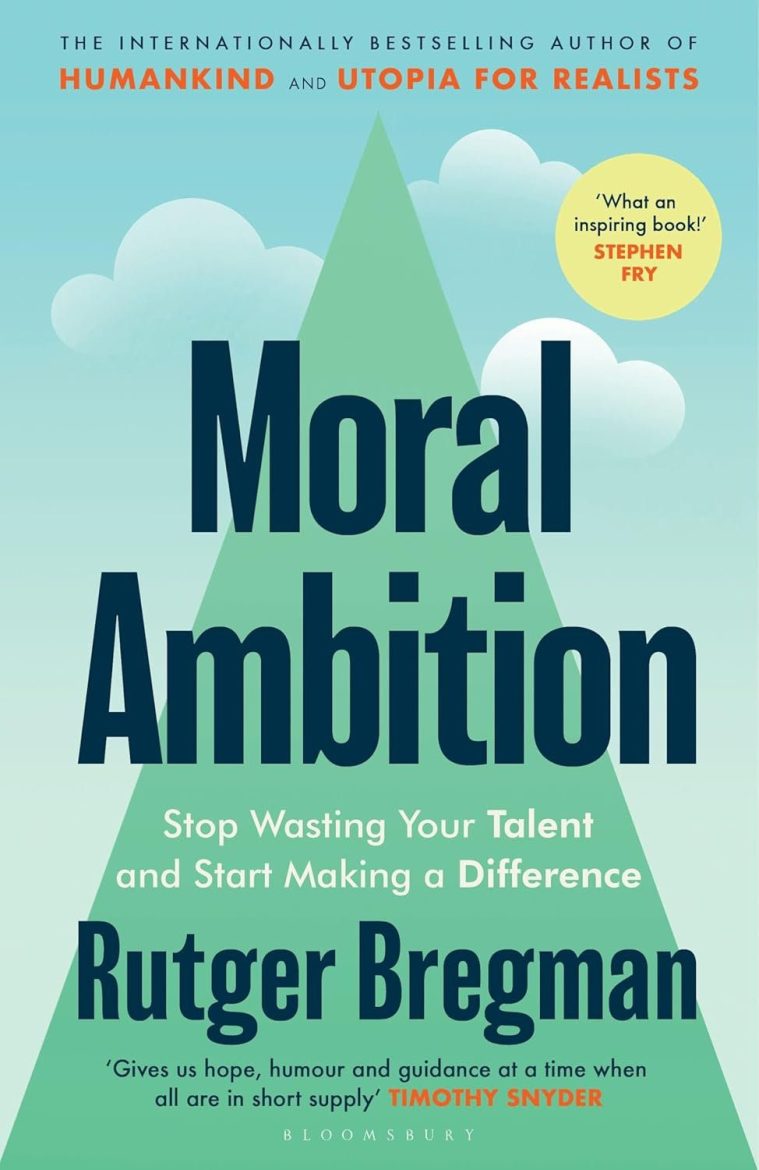
The Dutch popular historian recently complained about the BBC removing a line from his Reith Lectures. If only the editors of his books were so stringent. His latest offers examples of individuals who changed the world for the better as inspiration for those who do well-paid but morally compromising jobs to quit and apply their talents to something more beneficial to society. Bregman’s assumption that society’s best-paid are its most gifted reveals his disappointingly conventional vision of success and his book is a shallow call to self-centred saviourism.
Flesh by David Szalay
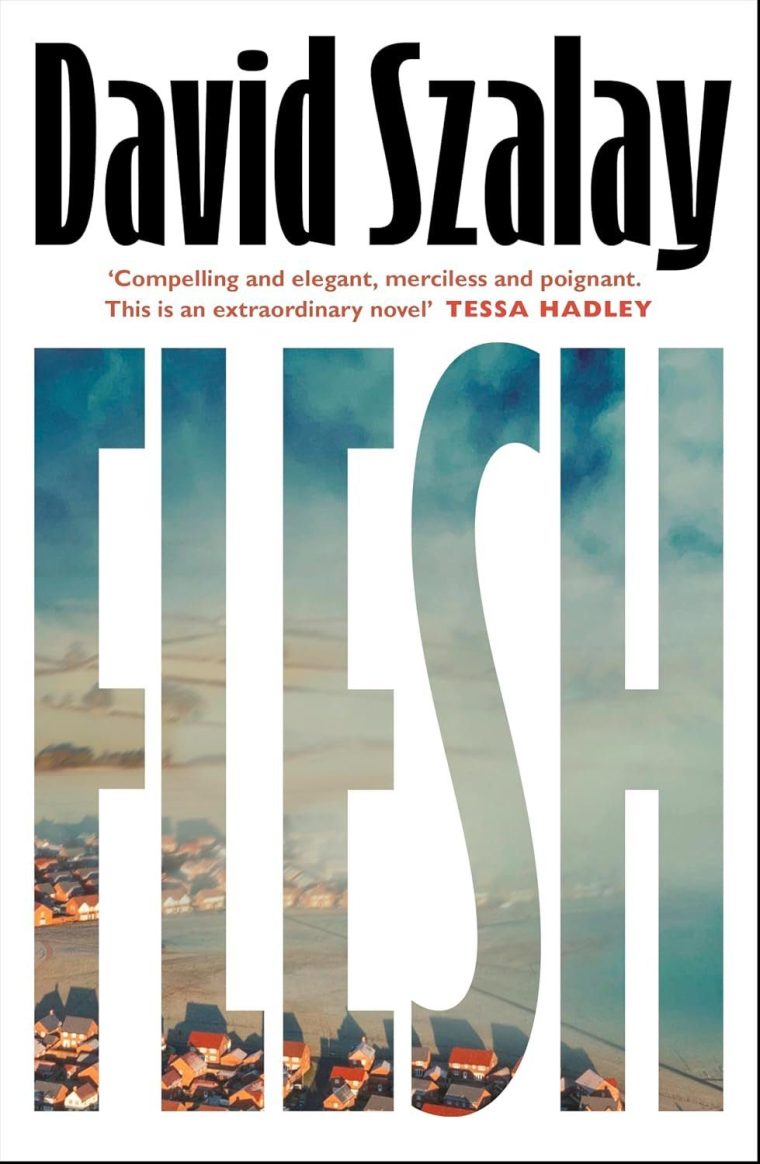
Sorry, but Szalay has written better books (All That Man Is) than the one that won him the Booker Prize this year and there were more successful novels (The Rest of Our Lives) on the shortlist. None of this is to say that Flesh is bad or an undeserving Booker winner. It starts brilliantly, moving at an irresistible clip, with a seamless account of István, its young protagonist, being sexually abused by a middle-aged woman in Hungary, serving in the army, later working as a doorman in Soho. It stalls in its second half, as he spirals into ennui among London’s super-rich, and does not fulfil its considerable potential.
The Emperor of Gladness by Ocean Vuong
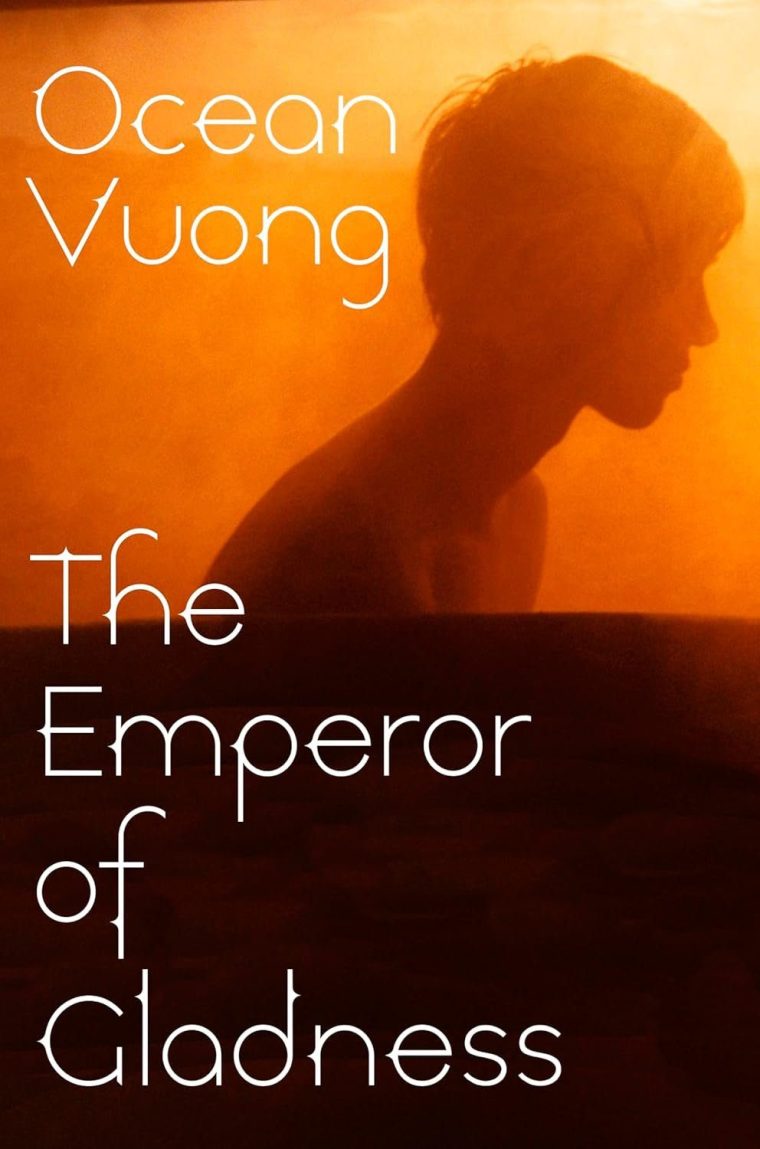
The worst novel of 2025 raised two questions. How did the author of some of the most striking poetry of the past decade, and a decent first novel, make a spectacular mess of his second? And where were his American editors when he was writing clunky dialogue, bewilderingly wrongheaded images and characters that are sentimental caricatures? Several critics pointed out its flaws but it also had admirers and was trailed by such hype that I decided Vuong’s publishers were either afraid to level with him or simply didn’t care about his book’s glaring weaknesses.
