Ukrainian president Volodymyr Zelensky has ruled out a ceasefire by Christmas, saying Russia is likely to reject a new European-backed peace proposal and that Ukraine must be ready to continue fighting.
Speaking on Tuesday, Mr Zelensky said a final set of proposals would be completed within two days and handed by the United States to Moscow.
He said Kyiv expected the Kremlin to refuse the plan. Russia has already dismissed calls for a Christmas truce, insisting any pause must meet its demands.
Washington has offered Ukraine “platinum standard” security guarantees linked to Nato’s Article 5, though officials have warned the offer “will not be on the table forever”. Kyiv remains cautious, citing failed US and UK assurances given in 1994.
President Donald Trump has urged Ukraine to withdraw from parts of the Donetsk region, a move Mr Zelensky rejected. “We do not want to give up our Donbas,” he said.Germany’s chancellor, Friedrich Merz, said peacekeepers could respond to Russian violations of a future ceasefire.
Agreement on ‘strong security guarantees’ could be finalised soon, says Zelensky
Ukrainian president Volodymyr Zelensky say a proposed deal to end Russia’s nearly four-year invasion could be finalised within days, after which American envoys will present them to the Kremlin before possible further meetings in the US.
A draft peace plan discussed with the US during talks in Berlin on Monday is “not perfect” but is “very workable,” Zelensky told reporters hours after the discussions.
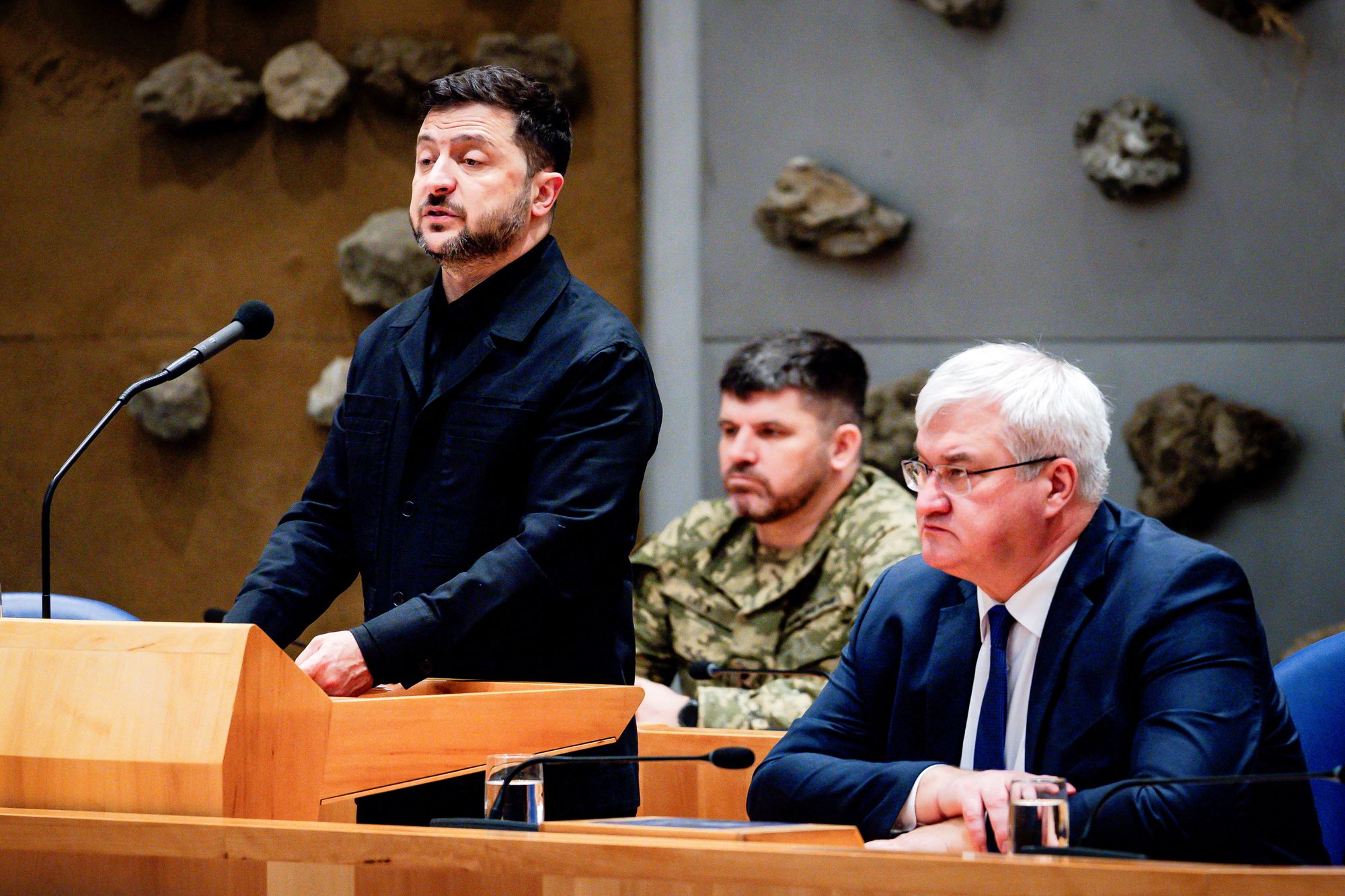
He cautioned, however, that some key issues – notably what happens to Ukrainian territory occupied by Russian forces – remain unresolved.
US-led peace efforts appear to be picking up momentum. But as the spotlight shifts to Moscow, Russian president Vladimir Putin may balk at some of the proposals thrashed out by officials from Washington, Kyiv and Western Europe, including postwar security guarantees for Ukraine.
Zelensky said that after the Berlin talks, “we are very close to (a deal on) strong security guarantees.”
Ukrainian air defence units in action in Kyiv, mayor says
Ukrainian air defence units were in action in a northern district of the capital Kyiv, mayor Vitali Klitschko said on Telegram after authorities warned of a possible drone attack.
Reuters witnesses reported explosions in the city.
Air raid alerts were also issued for areas north of the capital.
Russia names German broadcaster Deutsche Welle as ‘undesirable organisation’
Russian authorities on Tuesday named German public broadcaster Deutsche Welle as an “undesirable organisation,” effectively outlawing its operation in the country.
Under Russian law, involvement with an “undesirable organisation,” including sharing its content, is a criminal offence.
Deutsche Welle was added to the Russian justice ministry’s list of undesirable organisations following an announcement on Saturday by lawmaker Vasily Piskaryov, who leads a parliamentary commission on foreign interference in Russian affairs.
Piskaryov also criticised the broadcaster’s academy program, accusing it of training “disinformation specialists”.
In a statement, Deutsche Welle director general Barbara Massing called the designation Russia’s latest attempt to silence independent media.
“We will continue to report independently on the war of aggression against Ukraine and other topics about which little information is available in Russia, so that people can form their own opinions,” she said.
Russia’s foreign ministry shuttered Deutsche Welle’s Moscow office shortly before Moscow’s full-scale invasion of Ukraine in February 2022. It also withdrew accreditation for its staff in retaliation for a German move against Russia’s state-funded RT TV.
Deutsche Welle is Germany’s international public broadcaster. It is funded by taxpayer money but is editorially independent. It says it provides content in 32 languages.
Russia’s crackdown on Kremlin critics, journalists and activists has intensified to unprecedented levels since the invasion.
Russia’s list of “undesirable organisations” currently covers more than 275 entities, including prominent independent news outlets like Radio Free Europe/Radio Liberty, think tanks like Chatham House, anti-corruption group Transparency International and environmental advocacy organisation WWF.
Zelensky plays down prospects of peace by Christmas as Russia hardens stance
Ukrainian president Volodymyr Zelensky has dampened hopes of a ceasefire by Christmas, warning that Russia may reject a new European-backed peace plan and that Ukraine is preparing for further fighting if talks fail.
Speaking on Tuesday, Zelensky said a final set of proposals would be ready within two days and presented by the United States to Moscow. He said Kyiv expected the Kremlin could refuse the plan, despite Washington’s push for a breakthrough.
Russia swiftly signalled resistance. The Kremlin said it remained committed to achieving its objectives in Ukraine and ruled out Kyiv’s call for a Christmas ceasefire, arguing any pause must meet Moscow’s conditions.
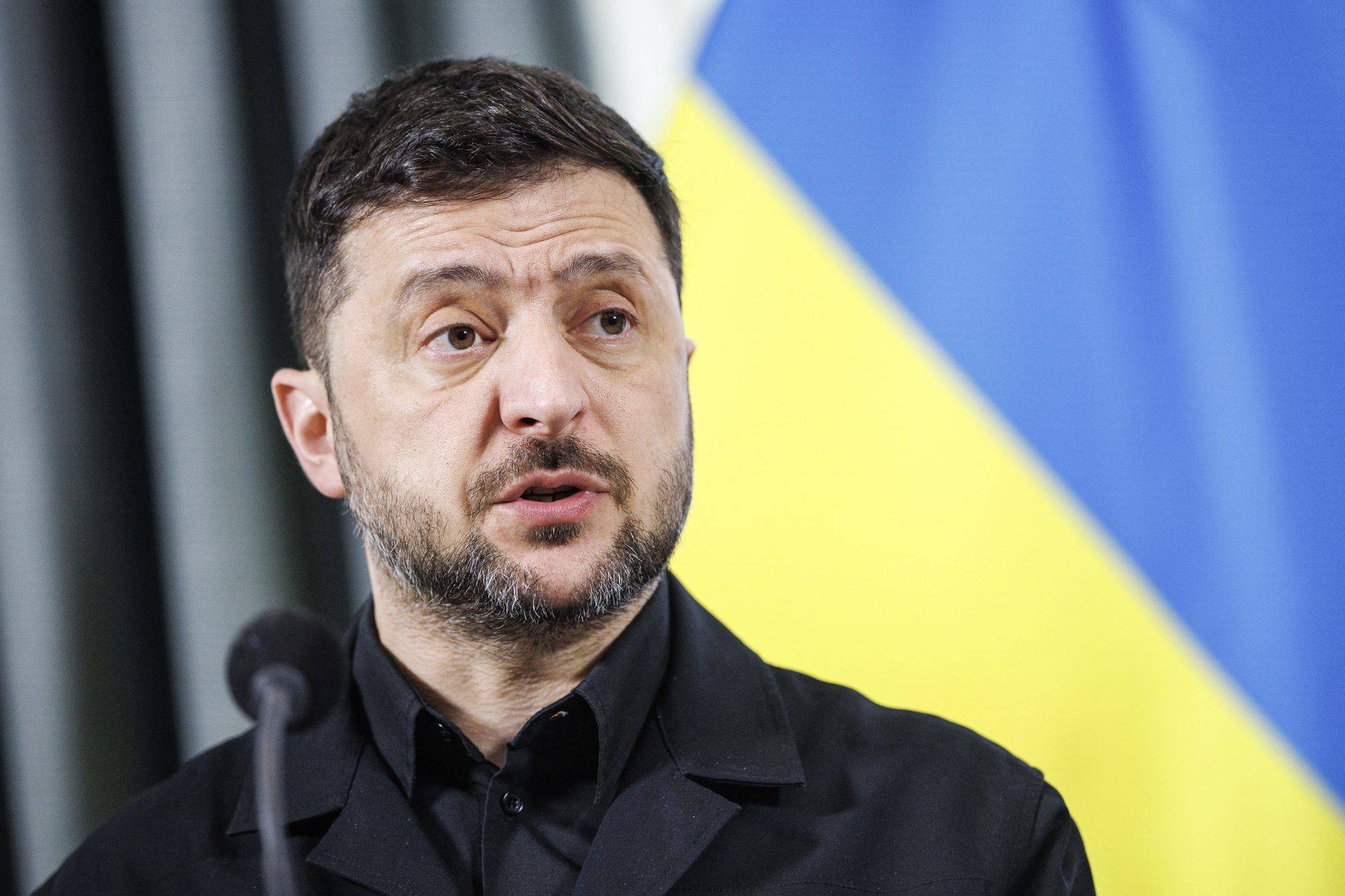
The United States has offered what it describes as “platinum standard” security guarantees, based on Nato’s Article 5, to underpin any truce, while warning the offer “will not be on the table forever”. Kyiv remains wary, citing failed assurances given by Britain and the US in 1994 when Ukraine surrendered its nuclear arsenal.
President Donald Trump has also pressed Ukraine to withdraw from parts of the eastern Donetsk region, including Kramatorsk and Sloviansk. Zelensky rejected that option, despite US proposals to turn remaining Ukrainian-held areas into a demilitarised “free economic zone”.
“I want to stress once again: a ‘free economic zone’ does not mean under the control of Russia. We do not want to give up our Donbas,” he said. “Nevertheless, we are discussing the territorial issue. At this point, there is no consensus on it yet.”
He warned Vladimir Putin could choose to continue the war, adding: “I believe the United States will apply sanctions pressure and provide us with more weapons if [Putin] rejects everything.”
Russia has demanded territorial concessions, limits on Ukraine’s armed forces and a permanent ban on Nato membership. Ukraine’s European allies have warned such terms would threaten wider European security.
Russian embassy rejects MI6 chief’s claim Moscow is trying to bully the UK
The Russian embassy in London has pushed back against accusations from Britain’s new intelligence chief that Moscow is seeking to intimidate the UK and its allies through covert hostile activity.
The response followed remarks by Blaise Metreweli, the first woman to lead the Secret Intelligence Service, who warned that Russia was using tactics designed to “bully, fearmonger and manipulate” without tipping into open conflict.
In her first major public speech since taking up the role, Metreweli said the UK was now “operating in a space between peace and war”, arguing that the nature of modern threats meant “the frontline is everywhere” and that the public needed to understand the risks involved.
She also placed strong emphasis on Russia’s full-scale invasion of Ukraine, accusing president Vladimir Putin of deliberately prolonging talks aimed at ending the war. On a second mention, Putin was accused of “dragging out negotiations” while continuing a conflict she described as devastating.
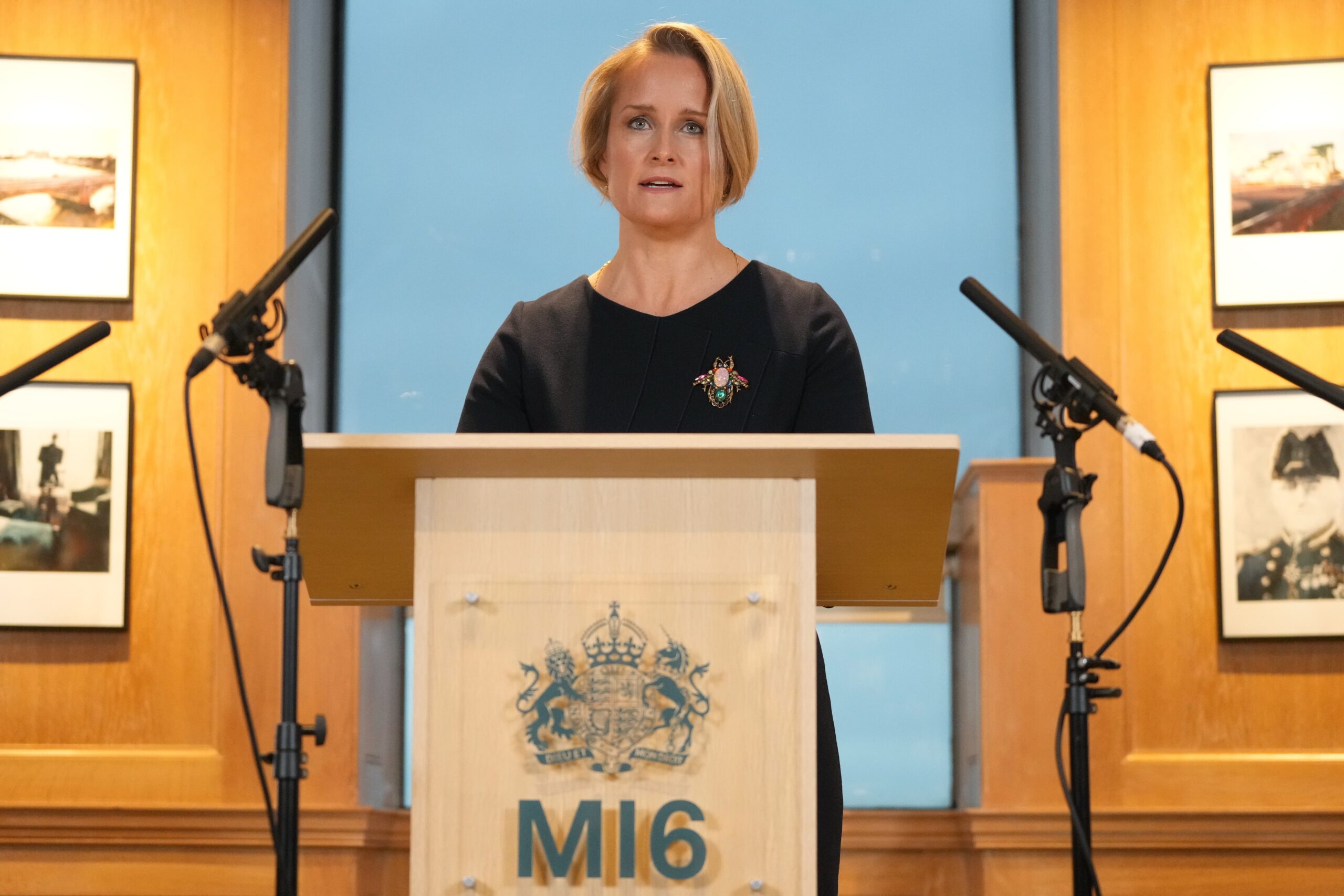
Metreweli said the outcome of the war in Ukraine would have consequences far beyond the country’s borders, warning that Kyiv’s fate was “fundamental not just to European sovereignty and security but to global security”.
The Russian embassy issued its response after the speech, rejecting the accusations levelled by the MI6 chief and contesting the characterisation of Moscow’s actions.
Calling for “an end to portraying Russia as an enemy of the UK and Europe”, it said, “we consider it necessary to recall several obvious facts”.
“Russia has no plans, intentions, or reasons to engage in armed conflict with the United Kingdom, as the local media keeps frightening its audience with.”All slander of the ‘hybrid threats’ type is also completely unfounded.”
Merz says peacekeepers could repel Russian forces under post-war guarantees
German chancellor Friedrich Merz said international peacekeepers could, in specific circumstances, push back Russian forces if Moscow breached the terms of a future ceasefire in Ukraine.
Speaking to ZDF public television, Merz said: “We would secure a demilitarized zone between the warring parties and, to be very specific, we would also act against corresponding Russian incursions and attacks. We’re not there yet.”
His remarks followed talks in Berlin on Monday between US officials and Ukrainian president Volodymyr Zelensky, where possible post-ceasefire guarantees were discussed.
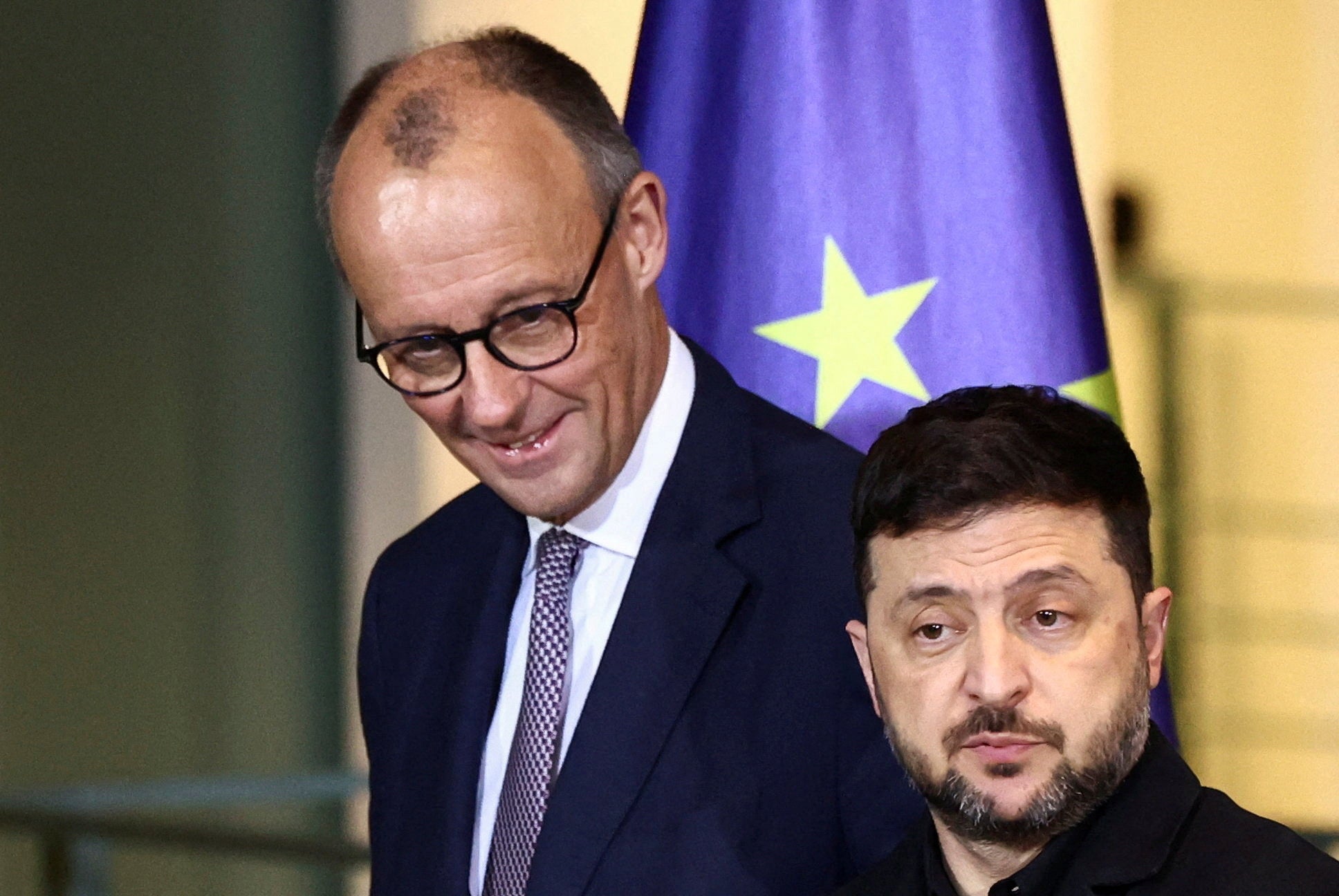
Merz described Washington’s apparent willingness to extend protection to Ukraine as a significant shift in US policy.
“The fact that the Americans have made such a commitment – to protect Ukraine in the event of a ceasefire as if it were Nato territory – I think that’s a remarkable new position for the United States of America,” he said.
He underlined, however, that discussions on enforcement mechanisms and peacekeeping roles were still at an early stage and depended on progress towards a ceasefire.
Trio of Russian athletes barred from luge World Cup in Lake Placid amid neutrality concerns
The International Luge Federation has withdrawn the eligibility of three Russian athletes who intended to slide in Lake Placid, New York, this weekend in hopes of moving closer to qualifying for the Milan Cortina Olympics, the governing body announced on Tuesday.
The federation’s executive board made the decision to remove Alexsandr Gorbatsevich, Sofiia Mazur and Kseniia Shamova from the list of eligible sliders after “new evidence” was presented and discussed with, among others, the International Olympic Committee.
FIL officials did not reveal the nature of the evidence, but a person familiar with the situation said it called into question the neutrality of Gorbatsevich, Mazur and Shamova regarding Russia’s invasion of Ukraine in 2022. The person spoke to the Associated Press on condition of anonymity because that detail was not released publicly.
The neutrality issue is paramount in the process of determining which Russian athletes will be allowed to even have a chance of qualifying for the Olympics.
Certain sports federations are preparing to let Russian athletes compete, but only after they are cleared by an independent review process to ensure that they have not publicly supported the war and are not affiliated with Russia’s military or other forces.
For now, Russian sliders Matvei Perestoronin, Pavel Repilov and Daria Olesik are still expected to compete at this weekend’s luge World Cup stop in Lake Placid. All three participated in official training on Tuesday and are expected to again on Wednesday, before likely taking part in a Nations Cup race on Thursday.
The Nations Cup is a qualifying race for those not automatically assured of a spot in the World Cup field.
Russians have not taken part in a World Cup luge race since January 2022, part of the response that the FIL and other sports governing bodies had to that country’s invasion of Ukraine.
The IOC wants Russians – in many sports – to have the opportunity to compete as neutral athletes at the Milan Cortina Games. Luge, like some other sports, originally refused to allow any Russians to take part this year, then amended those decisions after appeals.
Belarusian president calls for fast action on Ukraine war while US is engaged
Belarusian president Alexander Lukashenko, in an interview made public in part on Tuesday, called for swift action to end the conflict in Ukraine while the US remains engaged in diplomatic efforts.
Lukashenko is an ally of Russian president Vladimir Putin and allowed Belarusian territory to be used for Moscow’s 2022 invasion of Ukraine.
He said US president Donald Trump was right to push for a rapid resolution, adding that had Trump’s policies been in place at the outset, the conflict might not have occurred.
“A lot now depends on the position of Trump and the United States of America. The main thing is that Trump not back away from this position,” Lukashenko told US television outlet Newsmax.
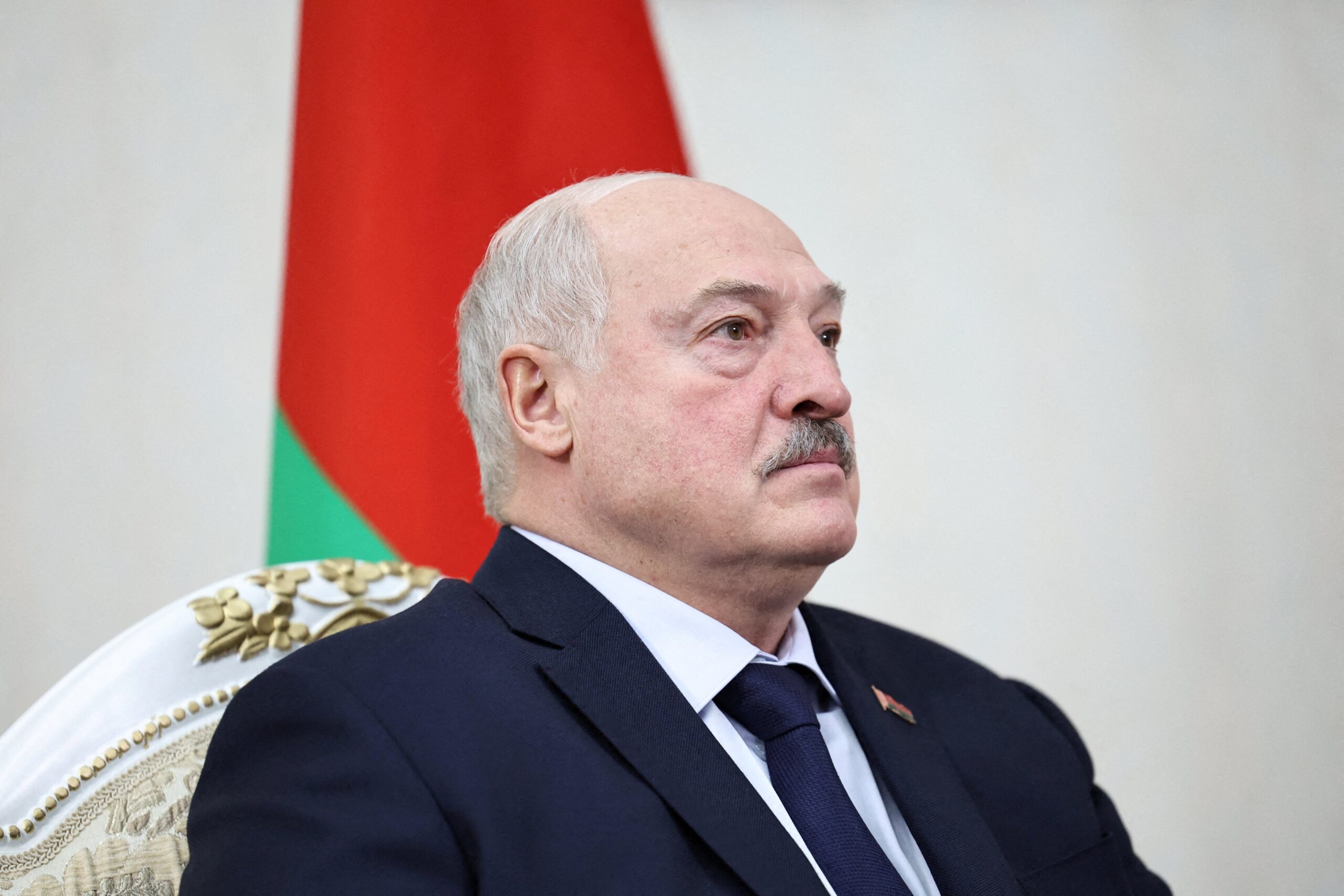
Excerpts of the interview were posted by the Belarusian state news agency BelTA.
“He is a man with a strong personality, sometimes impulsive. Let him not give up on this, throw up his hands and walk away. If he makes firm moves in this way, there will be results.”
“If everything depended strictly on Trump, the war would have been over long ago. But this is a process with many sides and Trump cannot solve it all himself. The conflict has to be frozen from top to bottom. Once people are not being killed, you can sit down and agree on whatever you like.”
Lukashenko said failure to halt the war could “end badly for Europe and the entire world. It is bound to grow into some sort of global conflict”.
Trump has led efforts to find a solution to end the conflict, and an initial US peace proposal, criticised by many in Europe as tilted in favour of Russia, has since undergone changes.
US and Ukrainian officials have held consultations on the proposed agreement alongside European officials, including two days of talks in Berlin this week.
Trump has expressed frustration with both Putin and Ukrainian president Volodymyr Zelensky over the failure to agree on an end to nearly four years of war.
Russian forces hold about 19 per cent of Ukraine’s territory and are engaged in a slow drive west to secure control over the eastern Donbas region.
Watch: Ukraine blows up Russian submarine in unprecedented underwater drone attack
Ukrainian drone attack on Russia’s Krasnodar injures two people, regional authorities say
A Ukrainian drone attack injured two people, damaged several houses and cut power to parts of Russia’s Krasnodar, regional authorities said on Wednesday.
The injured were hospitalised, the authorities of the southern Russian region said on the Telegram messaging app.
