UK inflation dropped far more than expected last month, with food prices falling to ease the cost of living for households across the nation, new official figures showed.
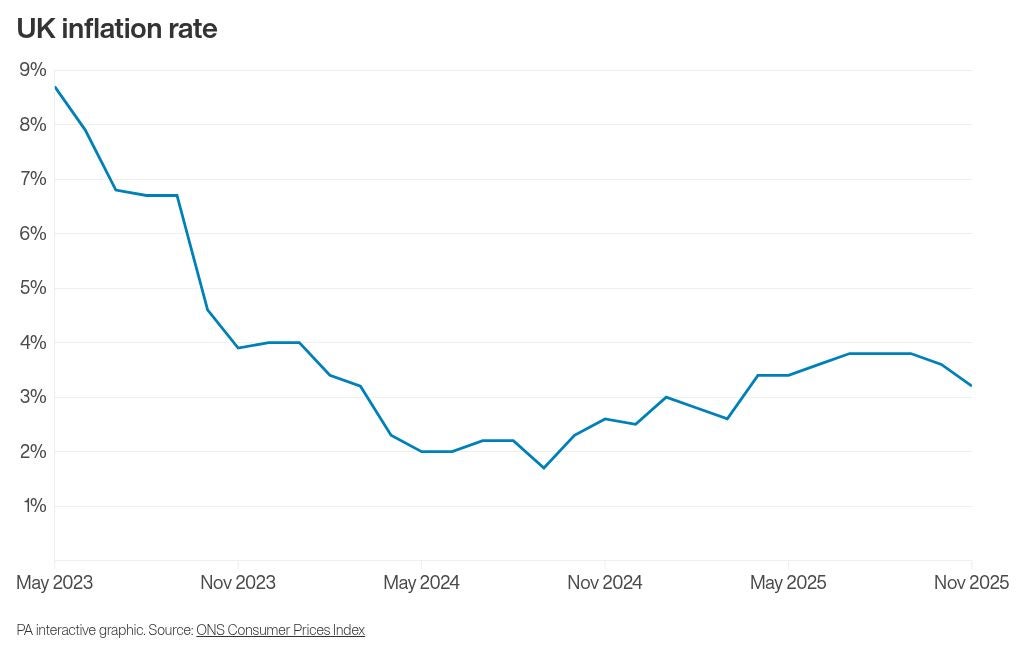
Consumer Prices Index (CPI) inflation fell to 3.2 per cent in November, down from 3.6 per cent in October, the Office for National Statistics (ONS) said – the lowest CPI rate since March this year and a notably bigger drop than the 3.5 per cent that most economists were expecting.
The most immediate knock-on effect of this data, along with the past week showing rising unemployment and the economy contracting by 0.1 per cent, will be an almost-certain interest rates cut when the Bank of England’s MPC voters gather on Thursday.
While the BoE has been reluctant to cut rates too quickly with inflation far above the 2 per cent target, the unexpected drop in CPI rate will mean a fourth interest rate cut of the year before Christmas.
While inflation has slowed, a 3.2 per cent rate does still signal an increase – it means that prices are still rising, but at a slower rate than they were before.
Food and drinks, as well as alcohol and tobacco, were the biggest factors pulling on the overall rate of inflation last month.
On a monthly basis, food and non-alcoholic drink prices fell by 0.2% in November, with the biggest drops coming from bread and cereals, as well as declines in dairy, sugar, jam and chocolate.
The annual rate of inflation for the category fell to 4.2% in November, from 4.9% in October.
Alcohol and tobacco inflation saw a sharp drop to 4% in the year to November, from 5.9% in the year to October – marking the lowest rate in nearly three years.
The ONS also pointed to more Black Friday discounting on clothes and shoes this year, which helped bring down prices by 0.3% between October and November.
The biggest falls came from women’s clothing across a range of items, including trousers and skirts.
Chancellor Rachel Reeves said lowering household bills was a “top priority” after the latest inflation data was released.
She said: “I know families across Britain who are worried about bills will welcome this fall in inflation.
“Getting bills down is my top priority. That is why I froze rail fares and prescription fees and cut £150 off average energy bills at the Budget this year.
“The Bank of England agree this will help cut prices and expect inflation to fall faster next year as a result.”
ONS chief economist Grant Fitzner said: “Inflation fell notably in November to its lowest annual rate since March.
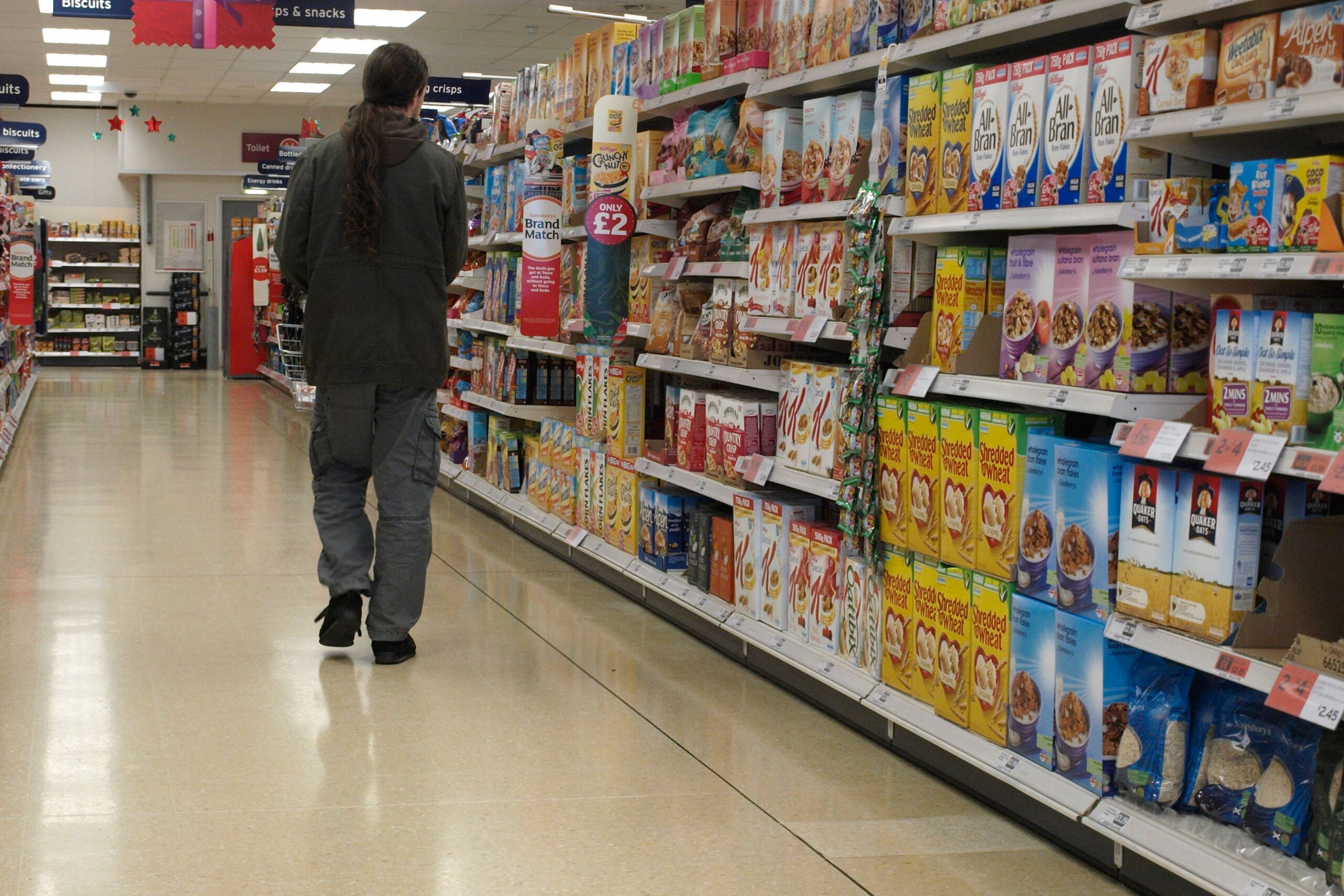
“Lower food prices, which traditionally rise at this time of the year, were the main driver of the fall, with decreases seen, particularly for cakes, biscuits and breakfast cereals.
“Tobacco prices also helped pull the rate down, with prices easing slightly this month after a large rise a year ago. The fall in the price of women’s clothing was another downward driver.
“The increase in the cost of goods leaving factories slowed, driven by lower food inflation, while the annual cost of raw materials for businesses continued to rise.”
Kris Hamer, director of insight at the British Retail Consortium (BRC), said the fall in inflation was driven by “extensive discounting by retailers across Black Friday month”.
“With many customers kicking off their Christmas shopping, there will have been relief to see the price of clothing and footwear fall on the year,” he said.
“And while high labour and commodity costs have pushed up food inflation over 2025, bigger promotions ahead of Christmas helped to bring this figure down.
“As a result, there were deals to be had, with bigger discounts seen for some meat products such as pork, lamb and chicken.”
The ONS’s preferred measure of inflation, Consumer Prices Index including occupiers’ housing (CPIH), fell to 3.5% in November, from 3.8% in October. Meanwhile, the Retail Prices Index (RPI) rate of inflation slowed to 3.8% from 4.3% in October.
Hargreaves Lansdown’s head of personal finance, Sarah Coles, said: “Energy prices also continued to spark lower inflation, as a lower energy price cap rise in October than the year before mean electricity prices are up just 2.8% and gas prices 2.1%. The Budget brought some good news for energy bills, with the removal of charges that are expected to cut the cost by £150 a year from April. Given that otherwise the forecast was for a rise in the price cap in April, this will be a relief for hard-pressed bill payers.”
Karen Betts, CEO of The Food and Drink Federation, added: “It’s good to see food inflation starting to fall, not least as shoppers fill their cupboards for the festive season. Nonetheless, food prices remain higher this Christmas than last and many consumers are having to make tough choices about what they buy this year. Manufacturers continue to work hard to cut costs and pass any potential savings on to consumers, but themselves continue to face significant cost pressures. To really impact this persistent food inflation, we need Government to redouble efforts with food businesses to reduce costs, like energy, and boost growth and productivity to bring down prices in the coming weeks and months across the food and drink supply chain.”
Additional reporting by PA
