At just 12 years old, James* was using drugs including cannabis and MDMA to cope with family illness, dyslexia and ADHD.
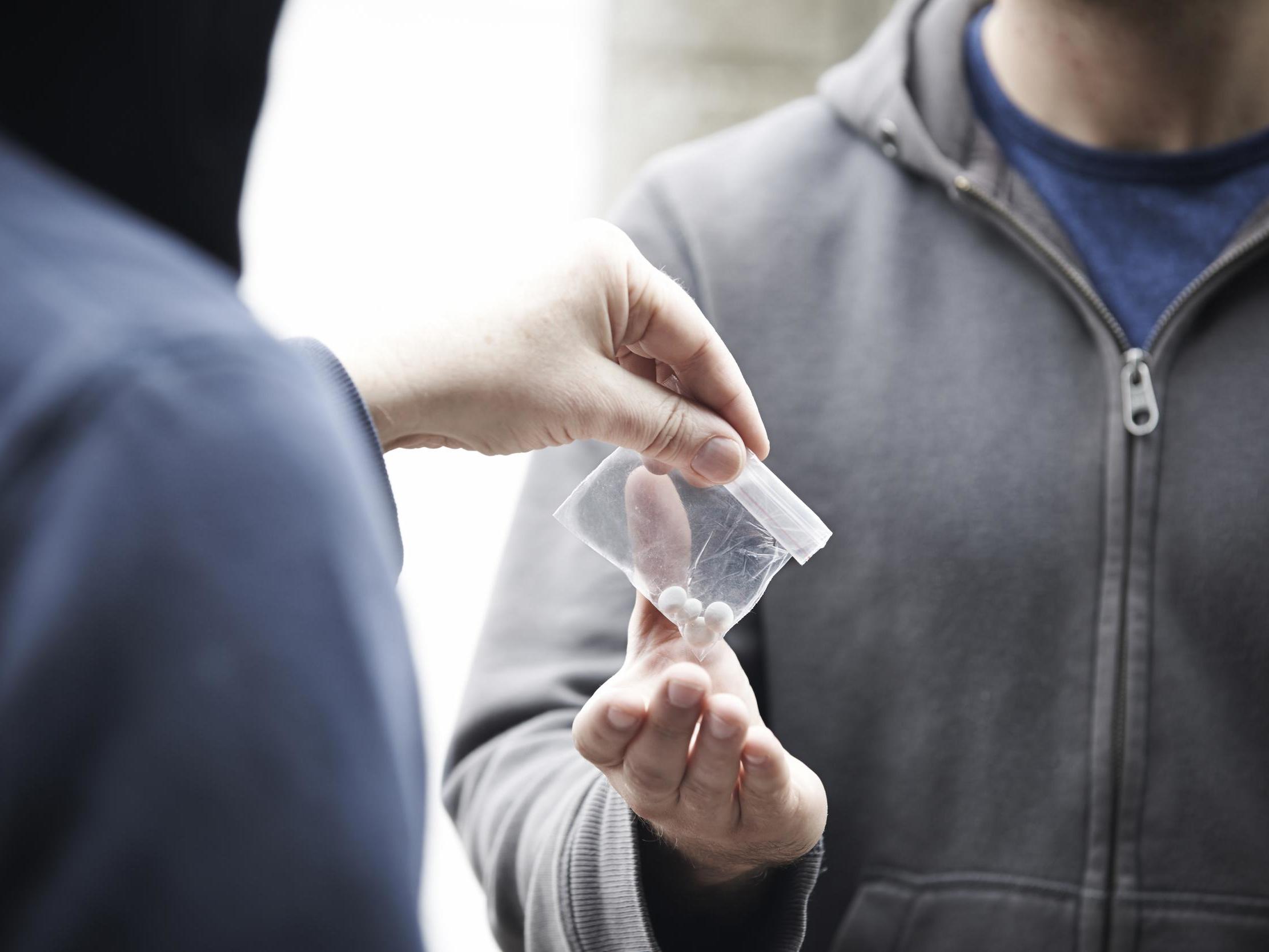
But soon, the people who offered the teenager such substances began exploiting him. By 13, he was involved in drug dealing and “borderline gang affiliation.”
He said: “I remember one day, particularly, and I’ll never ever forget it. They said to me, ‘You smoke all our weed, you drink our alcohol on the weekends, we let you hang around with us, but you’ve never, ever paid for any of this stuff before.’”
By the time he was 14-years-old, James, whose name has been changed, was regularly going missing, selling drugs, living in fear, and eventually facing police charges.
“On a weekly basis, I feared for my safety… You start picturing things in your head — that you’re about to die, or someone might run along and shoot you, or you’re about to get kidnapped, or the police come along again,” he said, adding he received no support despite repeatedly asking for help.
“When I made that disclosure after being arrested… I was called a liar. I believed that I was now in this situation and no one was going to help me get out of it.”
At 19, his charges were eventually dropped with the help of third sector organisations and legal advice.
He said: “They just made me feel like a human. They exposed me to normal situations and helped me to understand that there are opportunities out there to be successful without going down certain paths.”
He is one of thousands of teenagers across England and Wales who are being targeted and lured into criminal activities such as selling drugs, new research has found.
A new survey commissioned by the Youth Endowment Fund of nearly 11,000 children aged 13 to 17 has found that over one in nine said they had been approached to either sell drugs, transport drugs, or to store weapons, drugs or money in the last 12 months.
Over a quarter of those approached went through with it – the equivalent of 120,000 teenagers in England and Wales.
Among those approached, 42 per cent were offered money or something else in return, and 27 per cent were offered drugs or alcohol.
Around one in five said they had been threatened with physical or sexual violence, 18 per cent were blackmailed, and a similar proportion were told they owed a debt.
Two per cent of teenagers said they had been in a gang in the past year, with a further 4 per cent saying they had been in one at some point before that.
Girls accounted for over a third of those who said they had been in a gang in the past year, while 37 per cent of those who said they had old or transported drugs, or hidden drugs, weapons or money were girls.
Jon Yates, CEO at the Youth Endowment Fund, said: “It’s horrifying how many children are being targeted to sell, transport or hide drugs. For some, it might seem like a quick favour or easy money, but to put it plainly, we are letting thousands of our children be exploited into crime. We must recognise the warning signs and provide timely support that has been proven to help children break free from this cycle of harm and violence.”
A Home Office spokesperson said: “No child should ever feel unsafe or be exposed to the violence of criminal gangs and we will continue our relentless pursuit of these vile criminals.
“Since coming to power, we have charged a record number of gang leaders for county lines offences, with more than 1,120 senior gang members charged since the last election.
“We will be bringing in three new criminal offences to further combat criminal exploitation and ensure perpetrators face a punishment that matches the severity of the crime.”
