Inflation has been on a difficult path in 2025, initially dropping before surging back up from April onwards.
However, it appeared to peak over summer and the latest figures thankfully have inflation back on the downward path, with Consumer Prices Index (CPI) inflation rate falling back to 3.2 per cent in November.
While the rate is lowering, remember, that does not mean prices are coming down – it means they are rising more slowly than previously.
In part as a result of this tough-to-shift inflation, the Bank of England (BoE)’s Monetary Policy Committee have held interest rates higher than hoped for, though they are now likely to vote for a pre-Christmas cut to move the base rate down to 3.75 per cent.
As interest rates are one of the primary ways the BoE looks to control inflation, they are often linked to each other, and each one can have knock-on effects on several areas for people in the UK.
What has impacted inflation figures?
The BoE doesn’t only consider inflation: economic growth, wages, employment rates and plenty of other factors in the geopolitical landscape can come into play.
But with a government-set target of 2 per cent inflation to aim for, interest rates tend to be left higher until inflation looks to be under more control and heading back towards its intended target.
Consumer Prices Index (CPI) inflation is usually the figure used as the headline number – that’s at 3.2 per cent now. But it’s important to also look at the CPI data which includes costs for running households (CPIH), and this was 3.5 per cent for last month. CPIH is the preferred metric for the Office for National Statistics (ONS), who are responsible for collecting and releasing the data.

Rising food and drink prices for much of this year and wage growth not slowing to comfortable levels have been problems hampering further rate cuts this year.
But food prices did drop in November, as did wage growth, while unemployment rates rose and the economy contracted 0.1 per cent – all this means interest rates should drop this time around.
How does this affect my mortgage?
Naturally, homeowners are generally pleased when interest rates come down, and most people are happy when there’s not too much inflation.
But as both of those have been high recently, repaying mortgages has been more expensive over the past two years unless you were locked into a lower-rate deal that didn’t need renewing.
Rates have come down three times this year already, 0.25 percentage points each time, and there are plenty of deals on the market at sub-four per cent interest rates as lenders battle for business and even as low as 3.51 per cent in some cases.
Depending on your circumstances and type of mortgage, though, you may have a significantly higher rate than that – some 100 per cent mortgages, for example, start from 5.99 per cent.
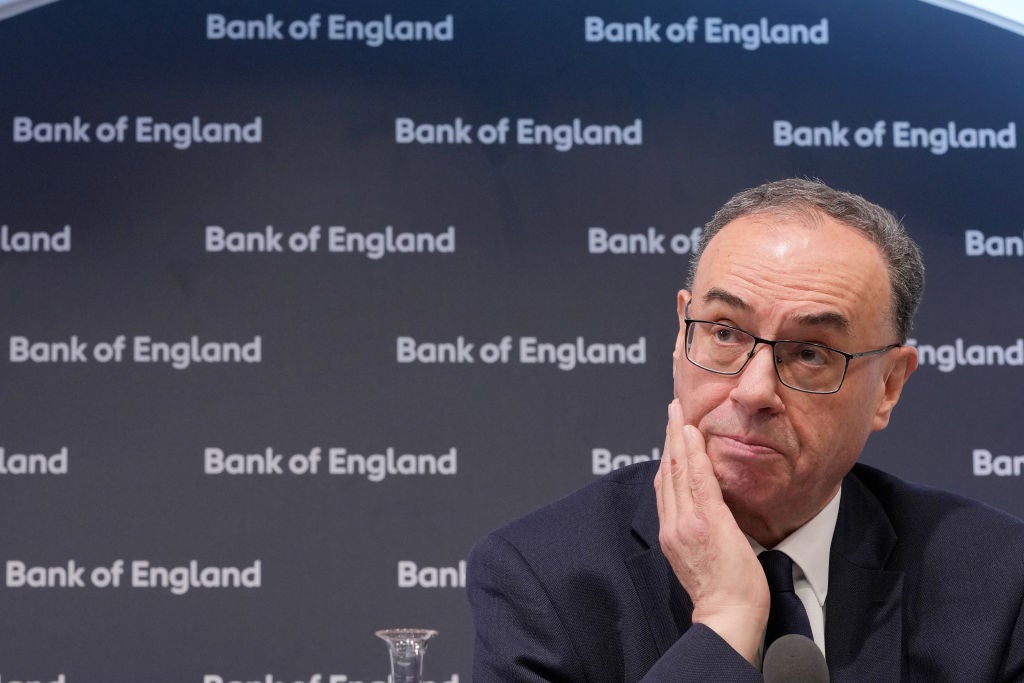
Mortgage deals also tend to be based on swap rates – future expectations of interest rates – rather than the bank rate itself, which is why lenders can sometimes price them lower than the current interest rate, or move higher in anticipation of no future cuts.
Higher inflation, then, won’t immediately make your mortgage repayments more expensive – but it could reduce the chances of future interest rate cuts.
What about savings?
Where mortgages (and any other loans) are cheaper to pay off when the interest rate goes down, the opposite is true for your savings.
Banks price their products from the bank rate; therefore, when as it comes down, we now see most of the best easy access savings accounts paying around 4.4-4.5 per cent, when at the start of 2025 there was lots of competition in the 5 to 5.5 per cent range.
It makes it important to shop around and ensure your money is earning as high a rate of interest as it possibly can – not just to earn interest, but also to ensure your cash doesn’t see its buying power eroded because of inflation.
If inflation runs at an average of 3.0 per cent this year and next, then £100 in a bank account will only be effectively worth a little over £94 by the end of 2026.
Utilising interest rates, therefore, helps protect your overall cash value – and beyond that, you should look to invest for the long term where possible, such as in an individual savings account (ISA) or pension, as this has a much higher chance of beating inflation and giving better returns over a number of years.
