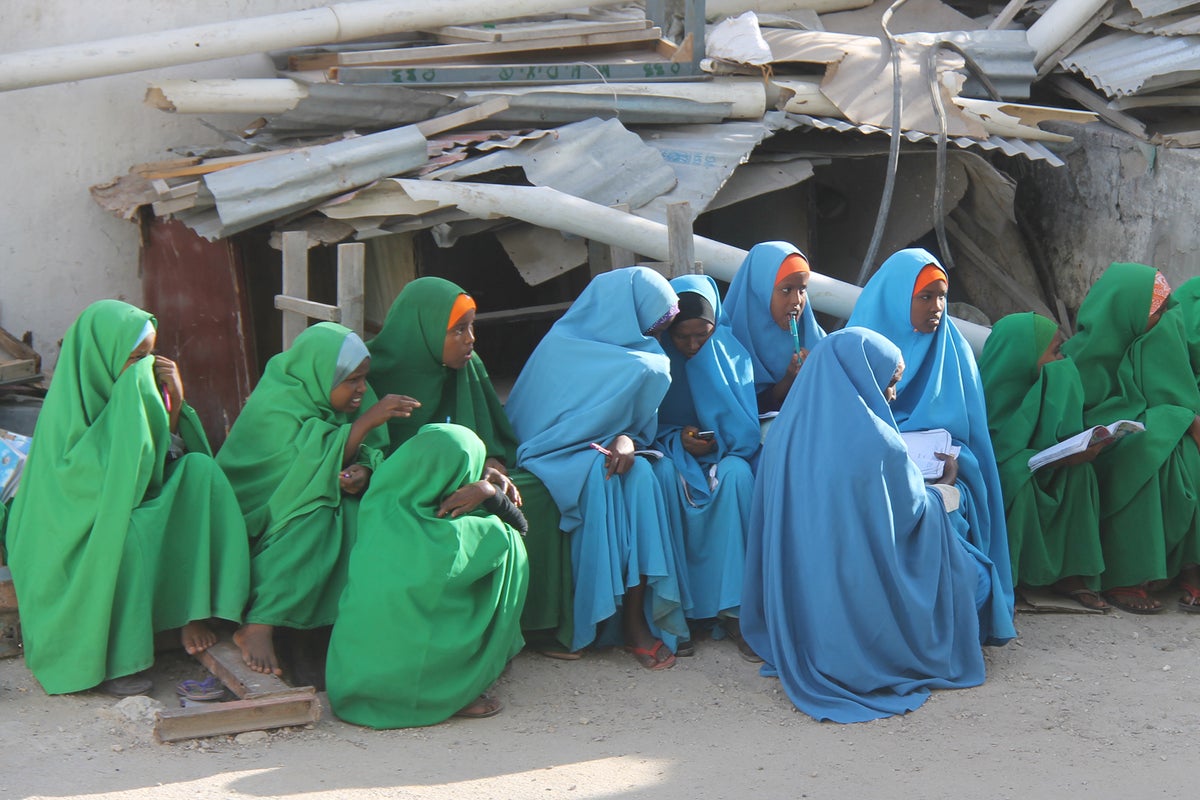
The UK has ended two major programmes to protect girls from female genital mutilation (FGM), The Independent has learned, despite successfully running for a seat on the UN Human Rights Council on a pledge to tackle the practice.
The programmes have been cancelled amid deep cuts to the UK foreign aid which will see 40 per cent slashed from the budget by 2029 in a bid to shift money towards defence. Projects protecting women and girls’ rights have been particularly hard-hit.
Few details of exactly what will be cut have been released so far, with information only coming out in dribs and drabs.
Kadiata, 22, from Senegal was volunteering as a youth leader for the programme, funded by the UK Foreign, Commonwealth and Development Office (FCDO) and working in Senegal, Kenya, Somaliland and Ethiopia, when she learned it was coming to an end.
“If the programme didn’t exist, the FGM would continue. So, there will be more victims, more danger,” Kadiata said.
Although she experienced it herself when she was just a small child, she knew very little about the practice until she became involved with the project – just that it was the normal practice in her family. “Even my aunt is doing it,” she said.
Now, she says she is better prepared for the “future consequences as a woman” – for what might happen when she marries and gives birth.
More importantly, though, she has heard from people in her village who have abandoned the practice after she and other girls spoke to them as part of community meetings, talking about their experiences and showing them evidence of the consequences of FGM.
The charity Amref Health Africa, which runs the anti-FGM project, also engages with cutters. Many are reluctant to abandon the practice because it gives them a healthy income and status within their communities, saying they don’t see any negative consequences of their work. The charity uses nurses in the community to teach them that many of the most serious consequences happen decades later, often when a woman gives birth.
As a result, cutters and others in the community don’t link the death with the surgery decades before, programme manager Ernest Clement Mendy explained. The nurses will tell them, “‘I receive every day the consequence of your practice’”.
In Senegal, FGM is particularly concentrated in certain border communities. In Somalia, on the other hand, some 98 per cent of girls experience some form of cutting or mutilation.
A separate project to tackle FGM and gender-based violence in Somalia, run by Save the Children, has also been axed.
Shukria Dini, executive director of Somali Women’s Studies Centre (SWSC) which works with Save the Children, can see the changes the programme has brought.
Usually a taboo subject that most men think doesn’t concern them, “now through awareness-raising men are involved and as a father they are saying ‘I don’t want my daughters to be cut. I have a role to play’,” she said.
Save the Children has recorded cases of parents abandoning the practice after taking part.
Madar Farah Gaas, 52 from Somalia, is one such parent. He told the charity: “I saw the pain my wife went through during childbirth because of FGM. I could not let my daughters go through the same suffering.
“I knew that by speaking out, I would face resistance, but I also knew that silence would mean more girls suffering in the future.”
But progress can easily slip back. “Somalia is a fragile state. It’s a country that has been recovering [from] over four decades of turmoil,” Dini explained.
“State building has been happening gradually and state institutions are emerging and still not very robust to protect women,” she added, leaving aid filling the gaps, including providing essential services like food and medication to survivors of sexual violence. Women’s rights organisations are particularly reliant on donor funding.
Through donors like the UK, Dini said, she had been able to advocate for policy changes and anti-FGM laws. Now though, without the resources, her organisation and others cannot demand accountability or push for law changes to protect women. “So the picture seems very grim”.
A Foreign, Commonwealth and Development Office (FCDO) spokesperson said: “The FCDO is steadfast in championing the rights of women and girls worldwide, including working with local partners to tackle the scourge of FGM, forced marriage and other coercive practice.
‘We set out the FCDO’s [overseas development aid] allocations for 2025/26 in our annual report in July and will set out allocations for future years in the coming months, including our programmes to protect the rights of women and girls.”
This article has been produced as part of The Independent’s Rethinking Global Aid project
