Visitors to the US from countries including the UK will need to show five years of social media history as part of the latest travel clampdown
SEATTLE – There was a time when Donald Trump at least made a show of trying to disguise the more virulent views that appeared to pulse through his veins.
There would be the dog whistles to supporters, such as the insistence of using Barack “Hussein” Obama’s full name every time he referred to his predecessor, or his description of invariably Black or female politicians he did not like as being of “low IQ”.
That pretence has now gone. Having been re-elected on a tough-on-immigration platform, Trump feels able to say whatever he wants. Last week, the 79-year-old President described immigrants from Somalia as “garbage” while Vice President JD Vance and other cabinet members thumped the table in support.
Having enacted among the toughest ever series of immigration policies, Trump is squeezing things ever tighter, announcing a travel ban late last month for citizens of 19 countries following the shooting of two National Guard members in Washington, DC. The suspected gunman was an Afghan man who came to the US in 2021 under a Joe Biden-era resettlement programme.
Trump is now turning the pressure up further – with the announcement that visitors to the US, from countries including Britain, will be required to provide their social media history from the past five years.
This will be “mandatory” for tourists and other arrivals, even if they have a visa, and will be part of the application for an Esta (Electronic System for Travel Authorisation), according to the notice published on Tuesday by Customs and Border Protection.
Trump’s State Department also sent out a memo last week to staff telling them to check visa applicants for anyone who has been involved in “fact-checking” or activities including content moderation and online safety.
The rules were sent out by Secretary of State Marco Rubio, who has claimed individuals applying for H-1B visas, which apply to skilled workers often in fields like medicine and technology, could have been “responsible or complicit in the censorship of Americans”.
The guidelines, leaked to Reuters, tell officials to look at CVs, LinkedIn profiles and publications for employment history related to combating misinformation, fact-checking, content moderation and trust and safety.
The crackdowns follow an announcement by Rubio in May that entry to the US would be barred to anyone seen to be blocking free speech “essential to the American way of life”.
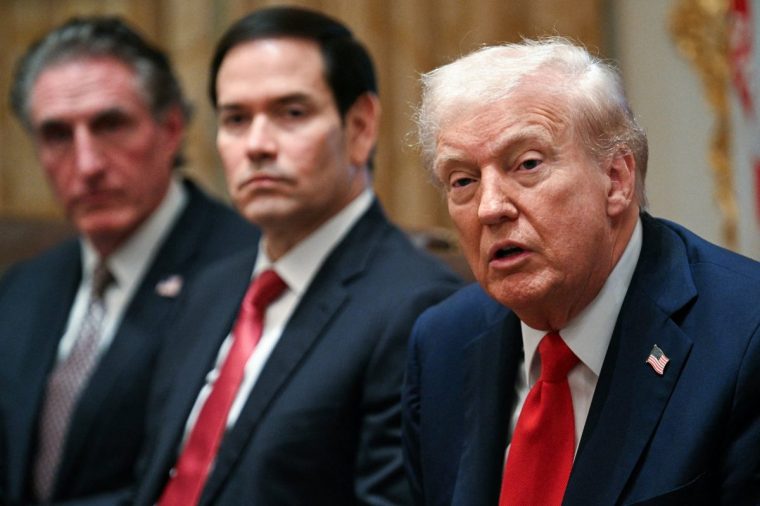
At the time, Rubio wrote on social media: “Foreigners who work to undermine the rights of Americans should not enjoy the privilege of traveling to our country.”
Lucas Guttentag, who teaches law at both Yale and Stanford, told The i Paper that Trump is seeking to restrict the opportunities as much as possible for legal immigrants. “In addition, he’s using the system to target individuals whose speech or views he disagrees with,” he said.
Trump has long loathed attempts to fact-check him, especially when he is confronted by things he says that are obviously untrue, and invariably denounces such challenges as “fake news”. It now appears he wants to blunt anyone who would try to criticise him, using the fig leaf of protecting Americans as a whole as an excuse.
Guttentag, who served in the administrations of both Obama and Biden, said Trump’s latest moves are not based on the law and there is little transparency involved.
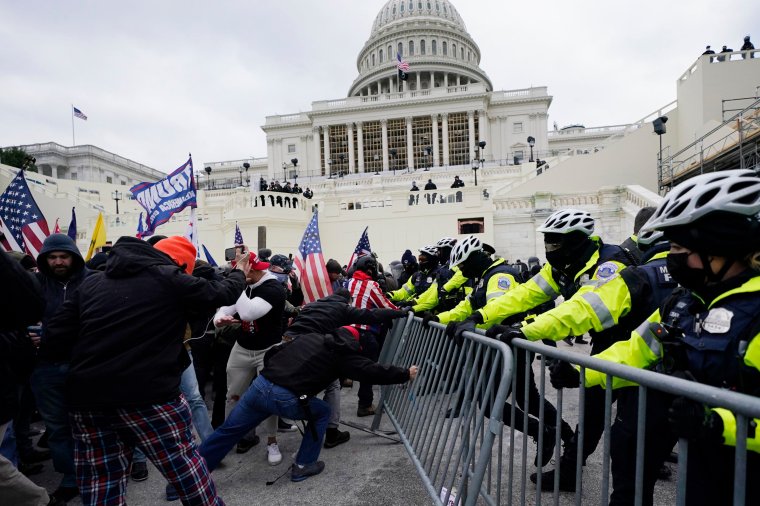
After the Capitol riot, Trump was thrown off major social media platforms, after his comments were accused of inciting the violence. He was eventually allowed back on to Facebook and Twitter (now X), but he has clearly never forgotten the experience.
The latest move therefore has more than a hint of irony.
Kathleen Bush-Joseph, a policy analyst with the non-partisan Migration Policy Institute, pointed out the President had previously ordered officials to screen social media accounts of those entering the country for “anti-American” activity.
She told The i Paper that “these changes reflect the administration’s moves to increase the screening of immigrants seeking to come to the United States, and the entry of immigrants from certain countries has been blocked temporarily”.
Tellingly, Trump’s squeeze on legal immigration to the US is not uniform. Earlier this year the Trump administration announced that it was reducing the number of refugee admissions to just 7,500 a year, down from 125,000 in 2024, with a notable priority.
“The admissions numbers shall primarily be allocated among Afrikaners from South Africa”, the notice said. Prominent right-wingers have persuaded Trump that Afrikaners are suffering from genocide and that white-owned farms are being seized without compensation.
The move was backed by Stephen Miller, an immigration hardliner who serves as Trump’s deputy chief of staff and has long been accused of favouring a US made up of individuals of white European ancestry.
At the same time, Trump seems to be becoming increasingly hostile to European nations, including the UK.
Your next read
Last Friday, the US released its new National Security Strategy, a document that pushed for extending its influence in the Americas and a desire to have Europe take the lead on issues like Ukraine. It also sharply criticised what it termed excessive immigration into Europe. “Should present trends continue, the continent will be unrecognisable in 20 years or less,” it said.
To date, there is little sense as to what Americans as a whole feel about Trump’s comments on Somali immigrants or his latest visa crackdowns. However, his polling numbers on immigration have fallen sharply in recent months, amid a clampdown on illegal immigrants that has involved arresting day labourers and raids on schools and churches.
Whatever comes next, Trump looks to be channelling some of the dark themes George Orwell wrote about in books like Animal Farm and 1984, pursing a darker and more restrictive vision of America’s future, where you are only welcome if you fit the mould.
