For the first time since October, President Donald Trump’s approval rating ticked up to 41 percent, according to a new polling data, largely due to a wave of support toward his handling of the economy and cost of living.
So far in December, roughly 41 percent of Americans say they approve of Trump’s job performance, according to a Reuters/Ipsos poll – approximately three percentage points higher than how survey respondents felt at the end of November.
Much of that appears to be associated with feelings about the economy. For the first time since early September, 36 percent of respondents said they approve of Trump’s handling of the economy, and 31 percent approve of his performance on the cost of living.
But among Republicans, those numbers are much higher, and likely a contributing factor to his increased approval rating, with 69 percent of Republican voters supporting Trump on cost of living.
The new poll numbers come as Trump attempts to capture the Democrats’ messaging on affordability and spin it in his favor.
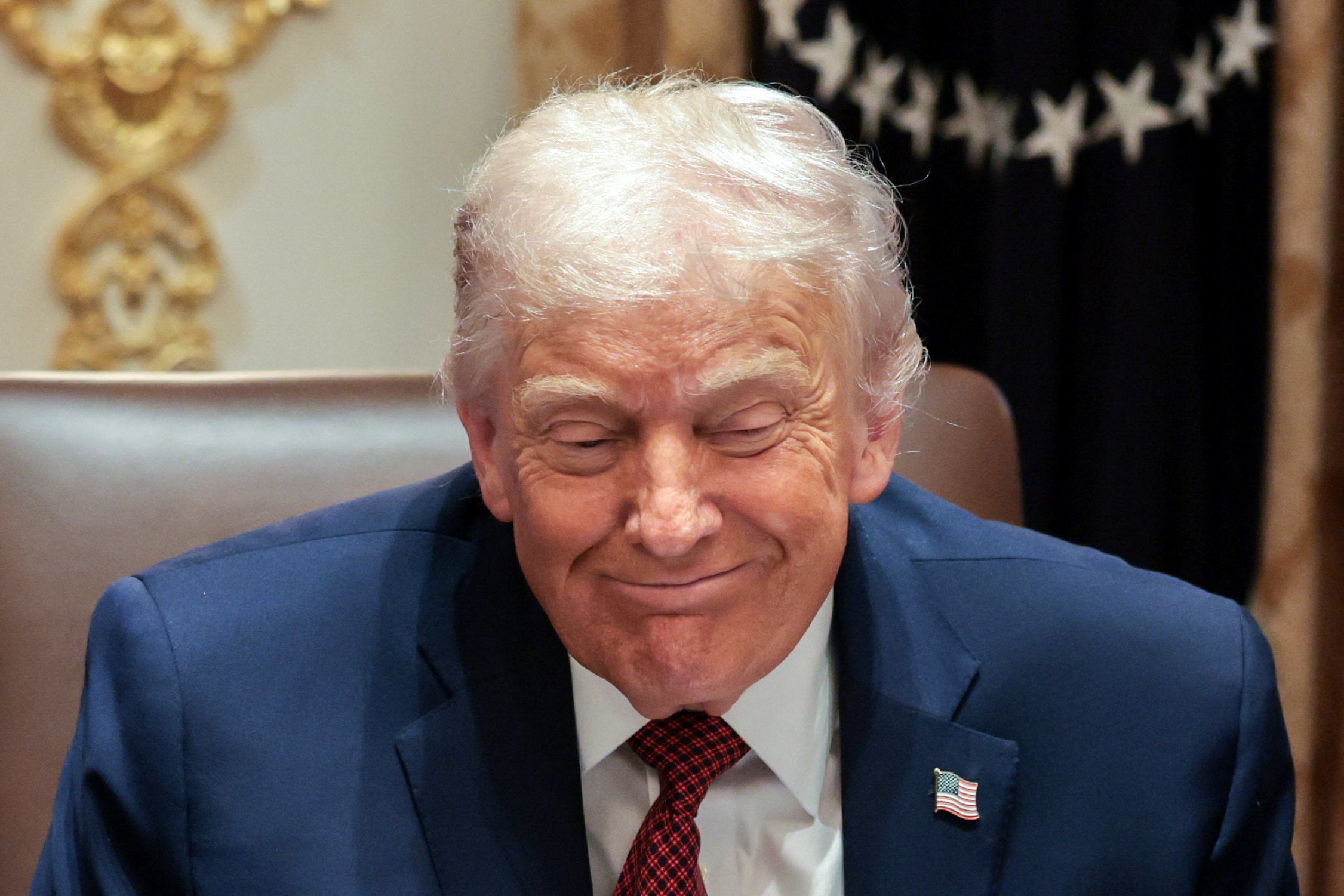
Democratic candidates swept local and state elections in November, winning over voters by promising to lower the cost of living and attributing high costs to Trump’s economic policies.
The messaging has angered Trump.
The president has called affordability a “con job” and consistently claimed his administration is lowering inflation and the cost of groceries. In press conferences and media interviews, the president repeatedly touts how food and gas are more affordable for Americans and blames his predecessor for inflation.
“They just say the word,” Trump said of Democrats during a cabinet meeting.
“It doesn’t mean anything to anybody. They just say it — affordability. I inherited the worst inflation in history. There was no affordability. Nobody could afford anything,” Trump claimed.
The president even plans to elevate his messaging on the economy Tuesday, by giving a speech about the cost of living and other economic issues in Pennsylvania, which is considered a battleground state in the 2026 midterm elections.
Despite Trump’s comments, data from the Consumer Price Index suggests the cost of food has not gone down and is likely to rise at least 3 percent in 2025 and 2.7 percent in 2026.
Some economists attribute the rising costs to Trump’s tariffs, which have made imports more expensive, Trump’s deportation policy, which has exacerbated food labor shortages, and other factors, such as long-term supply chain disruptions and high production costs.
While gas prices are going down, other affordability issues are on the horizon – such as the increasing cost of healthcare insurance for millions who utilize the marketplace.
