Donald Trump threatened to impose new tariffs on India for “dumping” rice in the U.S., piling pressure on a major economic and strategic partner.
The threatened levy would be on top of the 50 percent import tariff that Washington put on the South Asian country earlier this year.
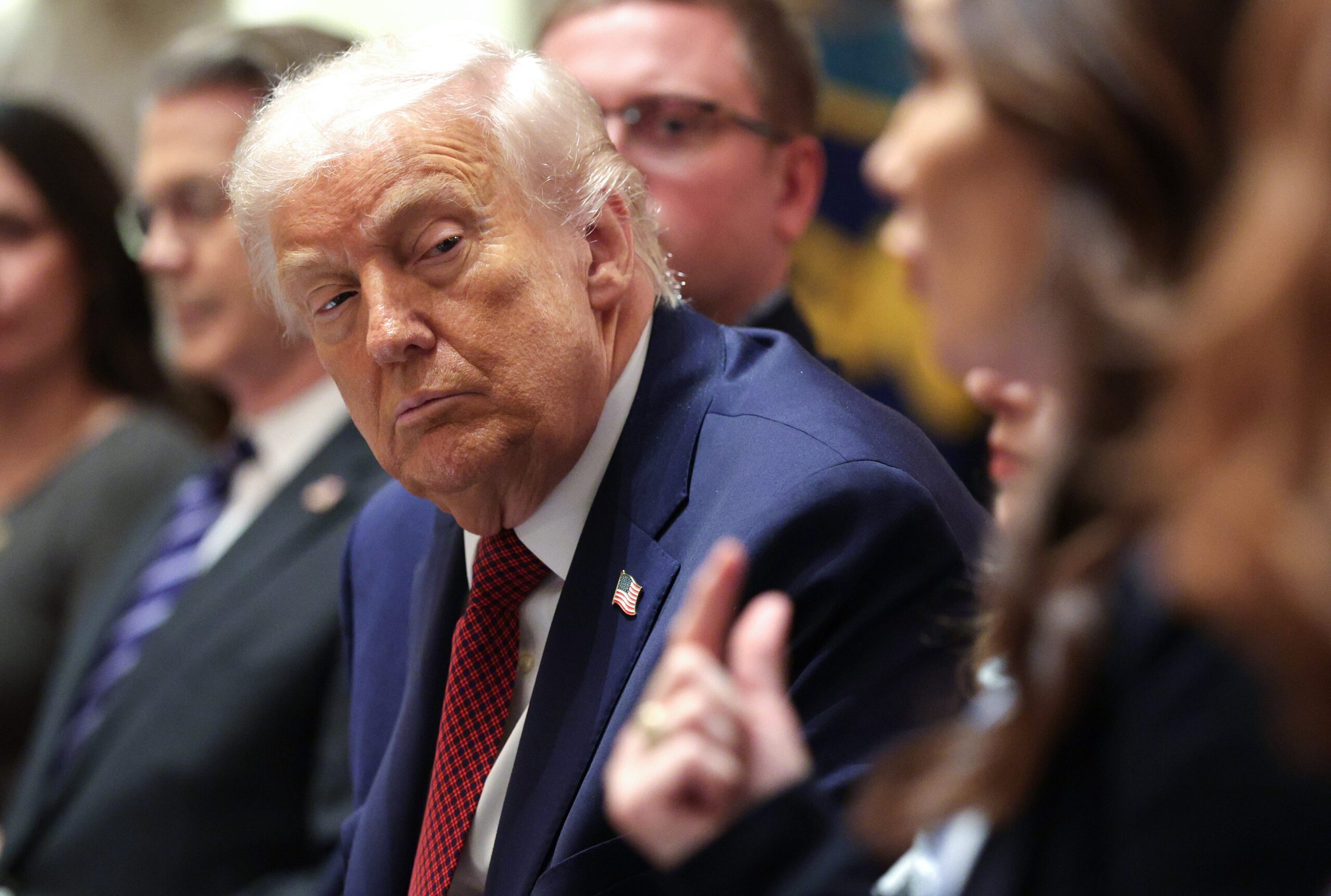
Trump’s comments came while responding to complaints that imports from India and other Asian countries were damaging American producers during a meeting at the White House with Agriculture Secretary Brooke Rollins, lawmakers, and farmers.
The President unveiled a $12bn aid package for U.S. farmers amid mounting pressure over rising consumer prices and persistent inflation, attributed in no small part to his sweeping tariffs on major world economies.
Analysts say voter dissatisfaction over rising prices can severely damage the prospects of Trump’s Republican party ahead of next year’s mid-term elections.
“They shouldn’t be dumping. I heard that from others. You can’t do that,” the President said, directing a question at Treasury Secretary Scott Bessent. “Why is India allowed to do that,” he asked, “dumping rice into the U.S.? They have to pay tariffs. Do they have an exemption on rice?”
“No, sir. We’re still working on their trade deal,” Bessent replied.
“They should not be dumping rice,” the President fired back. “They cannot do that.”
Some farmers at the meeting blamed imports for falling crop prices, claiming that countries such as India and Thailand were undercutting them.
“All right, we’ll take care of it. That’s great. It’s so easy,” Trump said, referring to the alleged dumping of Indian rice. “Tariffs, again, solve the problem in two minutes.”
The President also suggested targeting fertiliser imports from Canada to boost domestic production.
“A lot of it does come in from Canada, and so we’ll end up putting very severe tariffs on that if we have to, because that’s the way you bolster production here,” Trump said. “And we can do it here. We can do all of that here.”
Support from farmers was crucial to Trump’s election in 2024 and the U.S. president said he was taking “very vital action to protect and defend” them.
But farmers across the U.S. are taking a beating from a combination of factors, including retaliatory measures from trading partners and tariffs on imported goods that are vital to farming.
The U.S. previously imposed steep tariffs on Indian and Canadian imports of 50 percent and 25 percent, respectively.
Both countries have sought trade agreements to stabilise relations with Washington, but negotiators have struggled to reach consensus.
India is the world’s largest rice exporter. The South Asian country exported rice worth $12.95bn in 2024-25, an increase of roughly 25 per cent from the previous year.
Ajay Srivastava, founder of Global Trade Research Initiative, told the Times of India that any U.S. tariff on Indian rice imports would be driven by domestic politics rather than trade logic.
He noted that India sold $392m worth of rice to the U.S. in 2025, just about 3 per cent of its total rice exports.
The Indian Rice Exporters Federation said that the country’s rice export industry was resilient and globally competitive.
“While the U.S. is an important destination, India’s rice exports are well-diversified across global markets,” it said.
“The federation, in close coordination with the government of India, continues to deepen existing trade partnerships and open new markets for Indian rice.”
