The crisis in Sudan shows why Britain cannot tackle migration at home without spending abroad
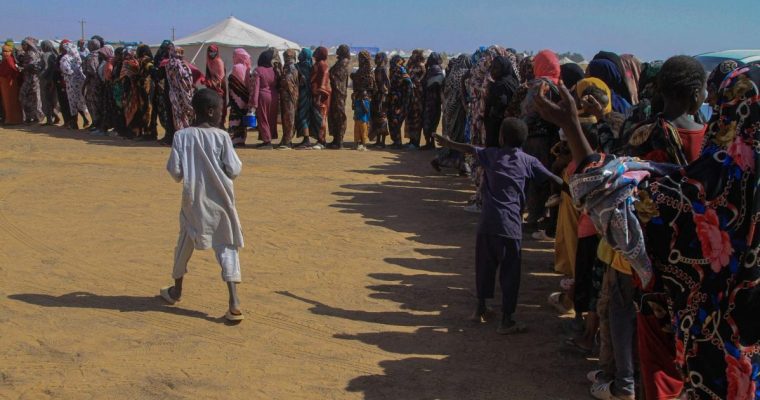
Images are increasingly emerging of Sudanese families in their thousands, many malnourished or wounded, arriving at dusty camps on the Chad border, hungry, traumatised and receiving almost no aid. With every image, it is becoming painfully clear that migration pressures do not begin for the UK in the Channel – they begin where violence and state collapse destroy people’s lives.
The upheaval in Sudan now ranks among the worst humanitarian catastrophes in the world. Since conflict erupted in April 2023, between the Sudanese military and the paramilitary Rapid Support Forces, almost 13 million people have been forced to flee their homes, with some being repeatedly displaced.
Fighting between rival armed groups has destroyed homes, schools and hospitals, and left communities without access to basic services. Food prices have soared, healthcare is barely functioning, and essential supplies like water, medicine and shelter are running dangerously low.
The situation in Sudan is a stark reminder that irregular migration to the UK is rarely caused by “pull factors” such as our overly generous social security system or our shadow economy. People flee because their homes and communities have been destroyed and unless the root causes are addressed, crises like this will continue and the small boats will continue their perilous, tragic journeys.
If we do not end humanitarian crises in nations such as Sudan, we will continue to witness humanitarian crises in the English Channel.
For Britain, this creates a clear policy challenge: managing arrivals responsibly means tackling the conditions that drive people to flee. Focusing almost entirely on domestic border controls, while cutting aid and stability programmes abroad, is too insular and inward-looking. Whatever happened to Global Britain?
Investing overseas makes a real difference. Denmark – a country cited by the Home Office as a model for our own asylum policy – has taken a dual approach: stringent asylum rules at home paired with predictable, long-term investment in international development.
The UK, by contrast, has sought to adopt Denmark’s strict domestic policies without the accompanying aid commitment, cutting its aid budget by 40 per cent and hollowing out its ability to stabilise fragile regions.
It is not alone. Cuts to US aid have already begun to bite, with aid from the world’s main donors expected to be cut by almost $60bn (£45bn) by 2026 – a drop that weakens conflict‑prevention, humanitarian response and stability programmes just when fragile states need them most. A recent Chatham House report shows that this collapse increases the likelihood of violence, state failure and forced displacement, creating the very migration pressures that border controls alone cannot contain.
We need to inject greater control and order into our asylum system. But if we really want to restore confidence in it, the answer is not to stoke a culture of divisiveness. Once people are granted refuge, they should be welcomed, supported and integrated – not left under a long shadow of uncertainty.
Ignoring this link between punitive policy, demonising narratives and rising incidents of discrimination at home is morally wrong and politically short-sighted.
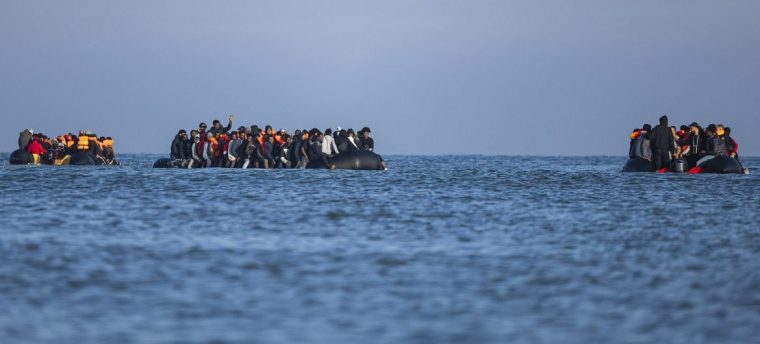
We must build on what already works. The UK-France agreement provides a safe way in for people who would otherwise be forced into dangerous Channel crossings, and a safe way out for those who have no right to be here.
This agreement needs to be scaled up, and the Home Office should strike similar agreements with countries like Germany, Belgium and the Netherlands.
The lessons are clear: investing in stability abroad prevents irregular migration from crisis zones before it starts. Reducing development spending while tightening border rules is self-defeating.
Your next read
Without urgent attention to aid and development, alongside fair and sustainable asylum rules, Britain will be forever firefighting humanitarian crises, instead of stopping them before they start.
The crisis in Sudan – where aid is running out, camps are bursting at the seams and thousands are fleeing violence every day – is more than a distant tragedy; it is a wake-up call. Ignoring the drivers of displacement abroad not only ensures that future waves will reach our own shores. It also makes it easier to assume (wrongly) that that small boats are caused by the “generosity” of our asylum system – rather than war, conflict and the desire to seek refuge with diaspora communities.
Britain faces a simple choice: act decisively with sustained aid and humane asylum or stand by as crises repeat and our own communities bear the cost.
