The year in film: outrageous, original, and absolutely overflowing with political statements. Everything from horror to historical drama to crime films set in the 70s seem to be exploding with metaphor and anger about the Trump administration and its discontents. Sure, there were still superhero films (shout out Fantastic Four), dinosaurs, and various explosions, but these were the 10 I think were the cream of the crop – and ones I can’t wait to return to again:
10. Eddington
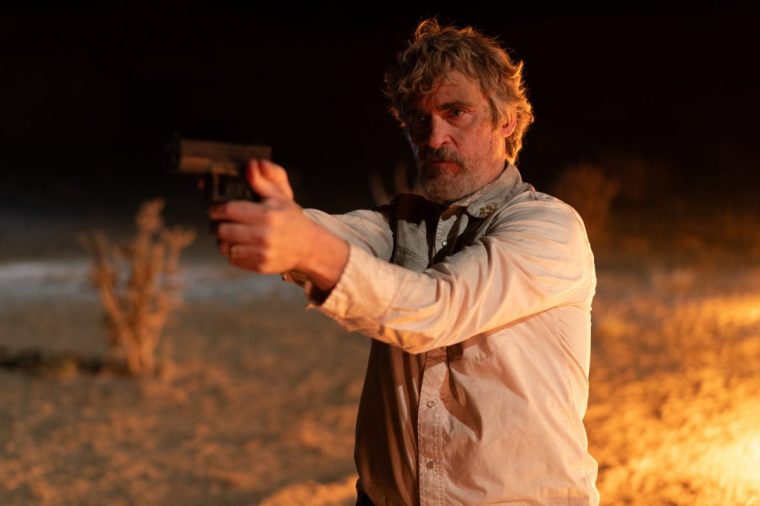
Ari Aster’s manic, bizarre descent into pandemic-era mayhem and the rise of Maga-adjacent values stars Joaquin Phoenix as a paranoid small-town sheriff, who runs for town mayor when he’s radicalised by anti-Covid conspiracy theories.
His wife (Emma Stone) runs away with a QAnon-esque cult leader (a brilliant turn from Austin Butler) and he is left to fight his increasingly virulent battle against imagined foes. When Black Lives Matter protests explode across the town, the sheriff’s behaviour becomes increasingly unhinged – and his foes become less imagined than he initially thought.
9. Sinners
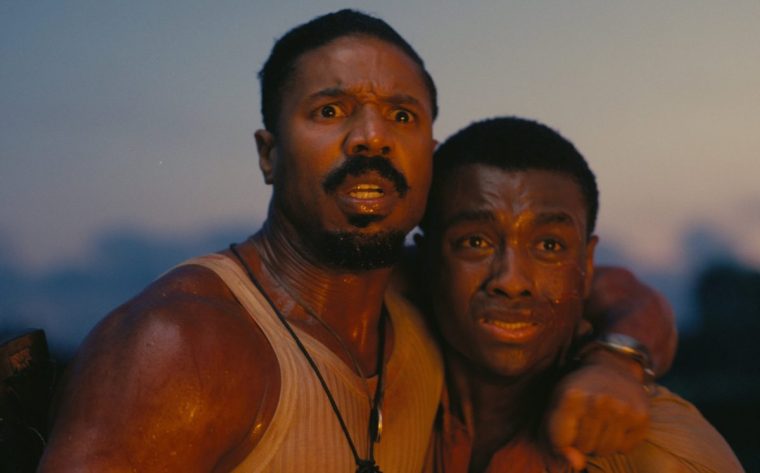
This smart, sexy, wild film was easily one of the most exhilarating viewing experiences of the year. Ryan Coogler’s 1930s-set vampire film stars Michael B Jordan in a dual role as twin brothers Smoke and Stack – former gangsters who come back to their Jim Crow southern town with a load of shady cash to start their own juke joint. Looking over their shoulder for racist white interference, they manage to pull it together – and put on one hell of a show.
But just when they think they’ve cracked it, a trio of ominous white folk musicians – led by a devilish Jack O’Connell – appear at the door. Sinners manages to mix humour, musical performance, and violent horror seamlessly; and with a great supporting ensemble cast, it’s full of wall-to-wall talent.
8. Hard Truths
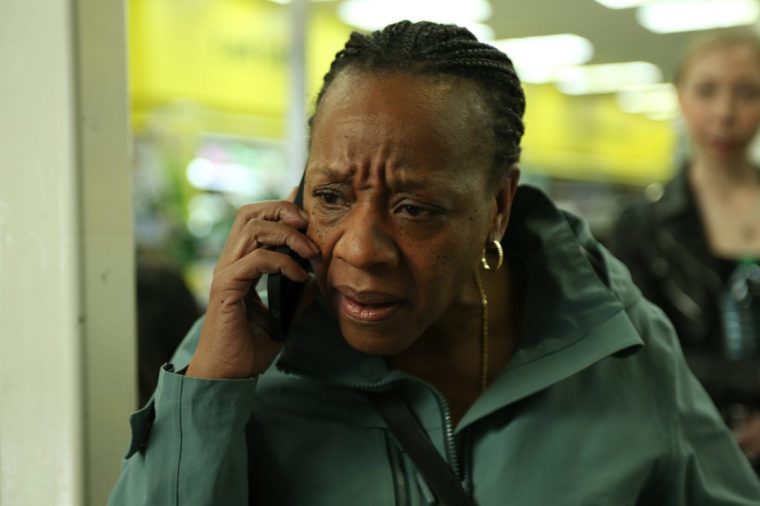
In a triumphant return to cinema screens early this year, veteran British filmmaker Mike Leigh, beloved for his honest, no-nonsense, socially conscious work since the 70s, tackles a story and a world he never has before.
Marianne Jean-Baptiste – previously a star of his 1996 film Secrets and Lies – stars as Pansy, a housewife of Afro-Caribbean descent living in south London with her beleaguered husband and neurodivergent grown son. As the anniversary of her mother’s death approaches, Pansy’s obsessive and angry behaviour escalates to confrontations in public with strangers and rage-filled rants about innocent passersby. Beneath her prickly anger seems to lie a deep well of hurt and distress. This is a character study of modern alienation and unhappiness.
7. Pavements
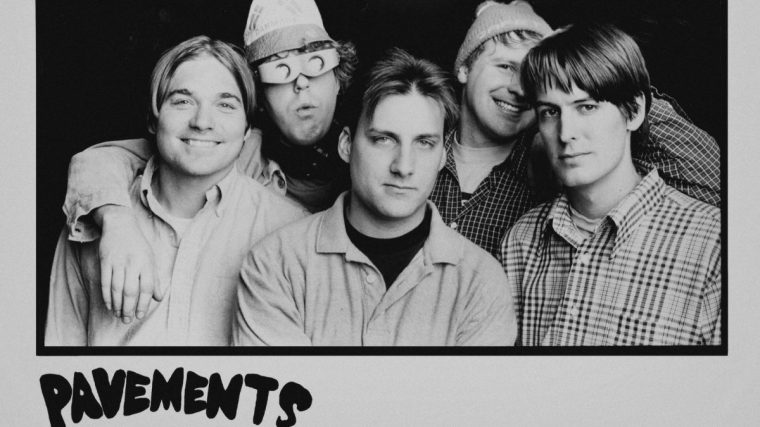
For indie trickster Alex Ross Perry, the rock doc needs serious reinvention, and the arch, painfully hip slacker rock of 90s band Pavement was the perfect material to do it with. This meta exploration of the band’s formation, rise to popularity, and legacy complicates the easy cliches we use to explain the artistic process.
And though it features real lead singer Stephen Malkmus and the band members themselves talking to camera, it also fictionalises plenty of their story. In this alternative universe, the film imagines that the band have a museum exhibit, a corny Hollywood biopic, and a Broadway musical all being dedicated to them in retrospect. The film goes full mockumentary when it jokingly rips apart biopic stereotypes and the pompous ways musicians – and filmmakers – talk about rock’n’roll. It’s funny, ingenious, and somehow still an illuminating document of a great band.
6. Pillion
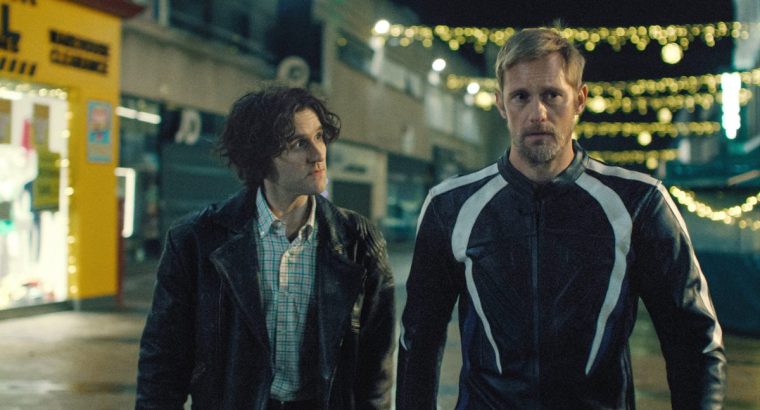
This so-called “gay BDSM romcom”, starring Alexander Skarsgård and Harry Melling, is far more poignant and thoughtful than that label might suggest. Directed in a feature debut by Harry Lighton, the film focuses on a particular gay subculture – the S&M biker community, who dress in old-school leathers and shock the locals in suburban London where our protagonist (Melling) lives.
In spite of his supportive and concerned parents, the shy young man is drawn into an extreme submissive role with the mysterious Ray (Skarsgård), who is forbiddingly dominant in life and sex. A story about romantic and sexual identity outside the mainstream, Pillion is delightfully surprising.
5. Die My Love
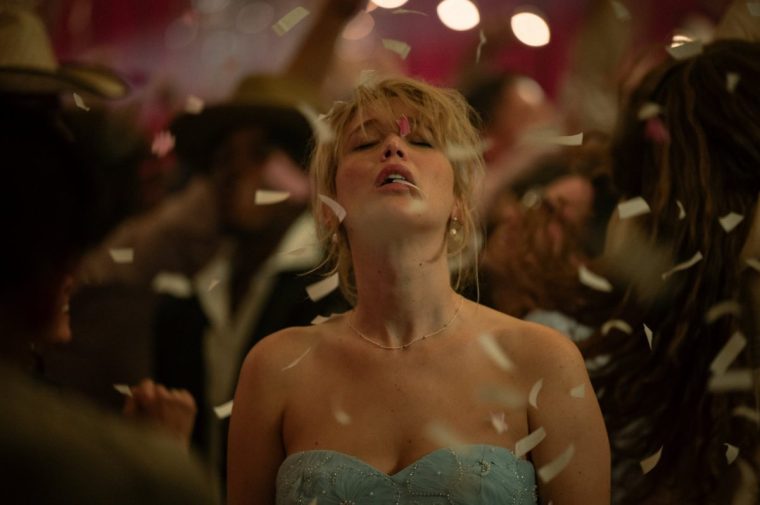
Lynne Ramsay, the Scottish powerhouse behind You Were Never Really Here, is always a bag of surprises. Her elliptical, intense dramas are rarely full of lightness, but Die My Love has as much strange dark humour as it has emotional breakdowns and marital strife.
Telling the story of a new mother (Jennifer Lawrence) and her slow descent into madness as her charming but wayward husband (Robert Pattinson) leaves her isolated with her infant, this is a complex, lacerating relationship drama. And with it, Ramsay reminds us that the prison of femininity and domesticity is – even in 2025 – still in place.
4. The Mastermind
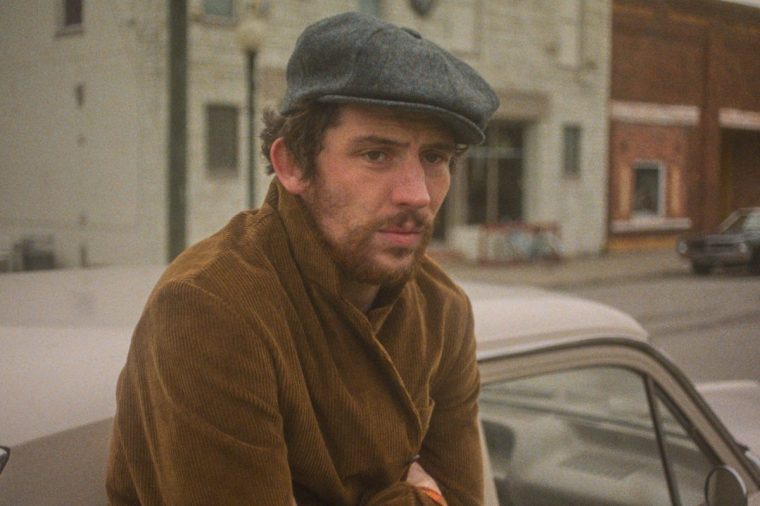
Kelly Reichardt’s minor-key 70s-set film about an art heist gone sideways is a note-perfect slow burn. Starring Josh O’Connor as a father of two in suburban Massachusetts, it begins with careful casing of the joint (a local art museum, where our protagonist, a frustrated art history major and underemployed family man, recognises paintings of value).
His small-time attempt to stage his crime is painstakingly planned and invariably flawed, resulting in the cops on his tail and a wife (Alanna Haim) kept utterly ignorant to his misdeeds. This is less a heist film and more a meandering journey of a lost man on the run.
3. It Was Just an Accident
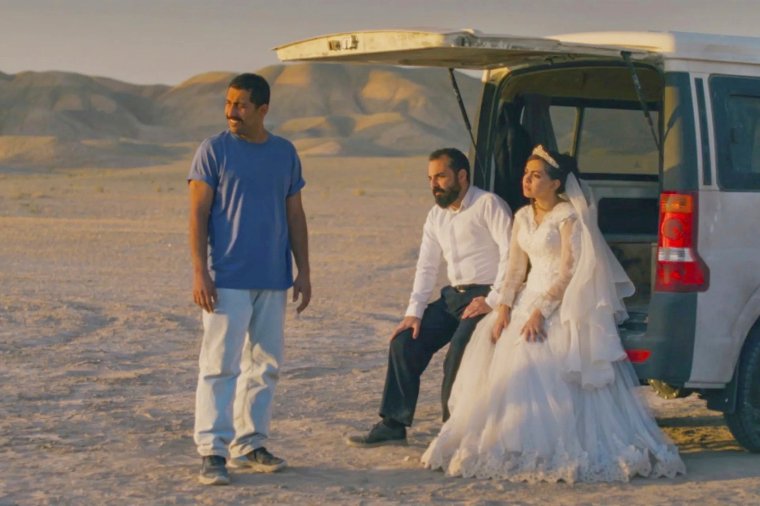
Iranian filmmaker Jafar Panahi has survived more than most filmmakers in order to make and share his work. Punished, blacklisted, and suppressed by the regime in Tehran for his critical stance, Panahi has nonetheless emerged with this Palme D’or winning thriller.
When a seemingly ordinary man (Ebrahim Azizi) travelling by car with his family has a road accident with tragic consequences, someone at the nearest petrol station, Vahid (Vahid Mobaressi), recognises him. It turns out the driver is a brutal state interrogator with a history of torture and cruelty; the man who recognises him was one of his victims years before. Faced with the sudden choice to seek revenge or not, Vahid kidnaps the man and throws him in the back of a van.
The rest of the film plays out as a terse road movie. Blackly comic and thoughtful, this is a brilliant parable about life in Iran and the moral toll it exacts on its citizens.
2. One Battle After Another
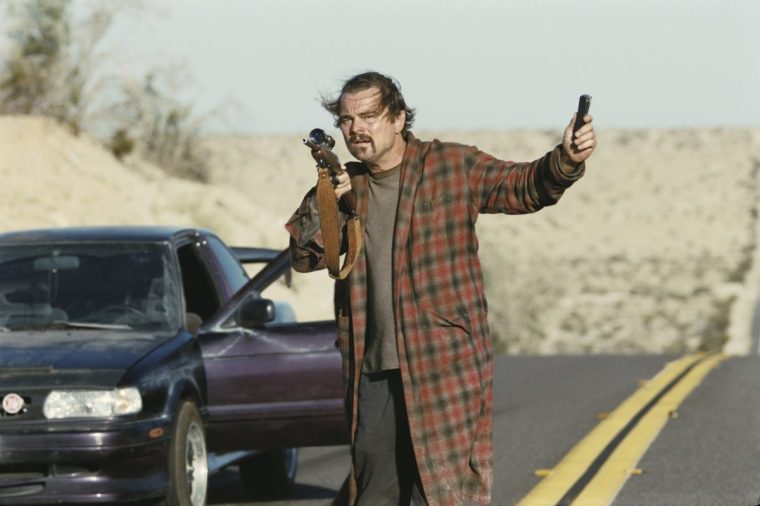
This is the funniest film Paul Thomas Anderson – master filmmaker responsible for Boogie Nights, There Will Be Blood, and most recently Licorice Pizza – has ever made. It stars Leonardo DiCaprio as a burnt-out former political radical and member of the French 75, a group of domestic terrorists not unlike the Weather Underground of the 1960s. After a stunt goes wrong, his girlfriend, the unruly and charismatic Perfidia (Teyana Taylor), is forced into hiding from the cops, leaving behind their baby daughter.
Fast forward 15 years, and their now teenage daughter (a brilliant Chase Infiniti) is kidnapped by a diabolically evil quasi-ICE agent played by Sean Penn. Based on Thomas Pynchon’s byzantine novel Vineland, this is a nonstop adventure film, a poignant story of the complexity of being a white father to a mixed-race daughter, and a call-to-arms against the right-wing powers that be. It’s also a masterpiece.
1. The Brutalist
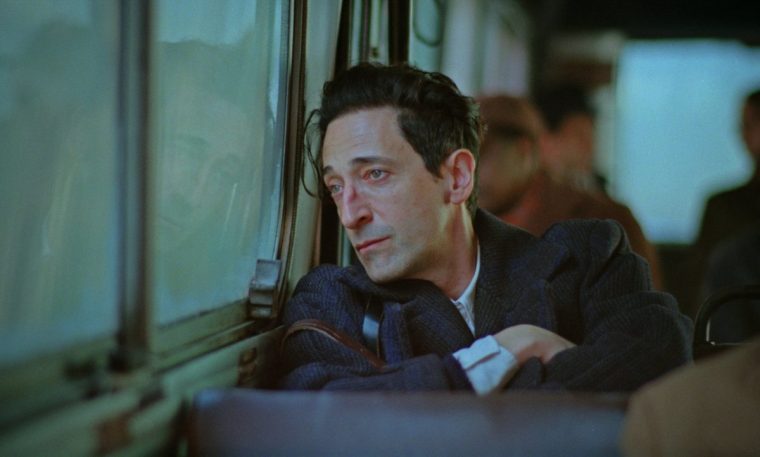
It was released very early this year, but anyone who’s seen Brady Corbet’s towering film The Brutalist – especially in the cinema, with its rousing score and old-style intermission – is not likely to forget it in a hurry. Borrowing from the vernacular of immigrant New York stories like The Godfather and Once Upon a Time in America, The Brutalist focuses on Lazslo (Adrien Brody, who won Best Actor at the Oscars for the role) – a Hungarian Jew who escapes Nazi persecution to work as a visionary architect in post-war America, but finds that bigotry and hatred are never far behind.
An epic, sweeping film about aspiration, artistry, control, trauma, and the human spirit, films like this don’t come along often. It is truly special.
