Thousands of children have been admitted for treatment for acute malnutrition in Gaza since an October ceasefire that was supposed to enable a major increase in humanitarian aid, the UN children’s agency said on Tuesday.
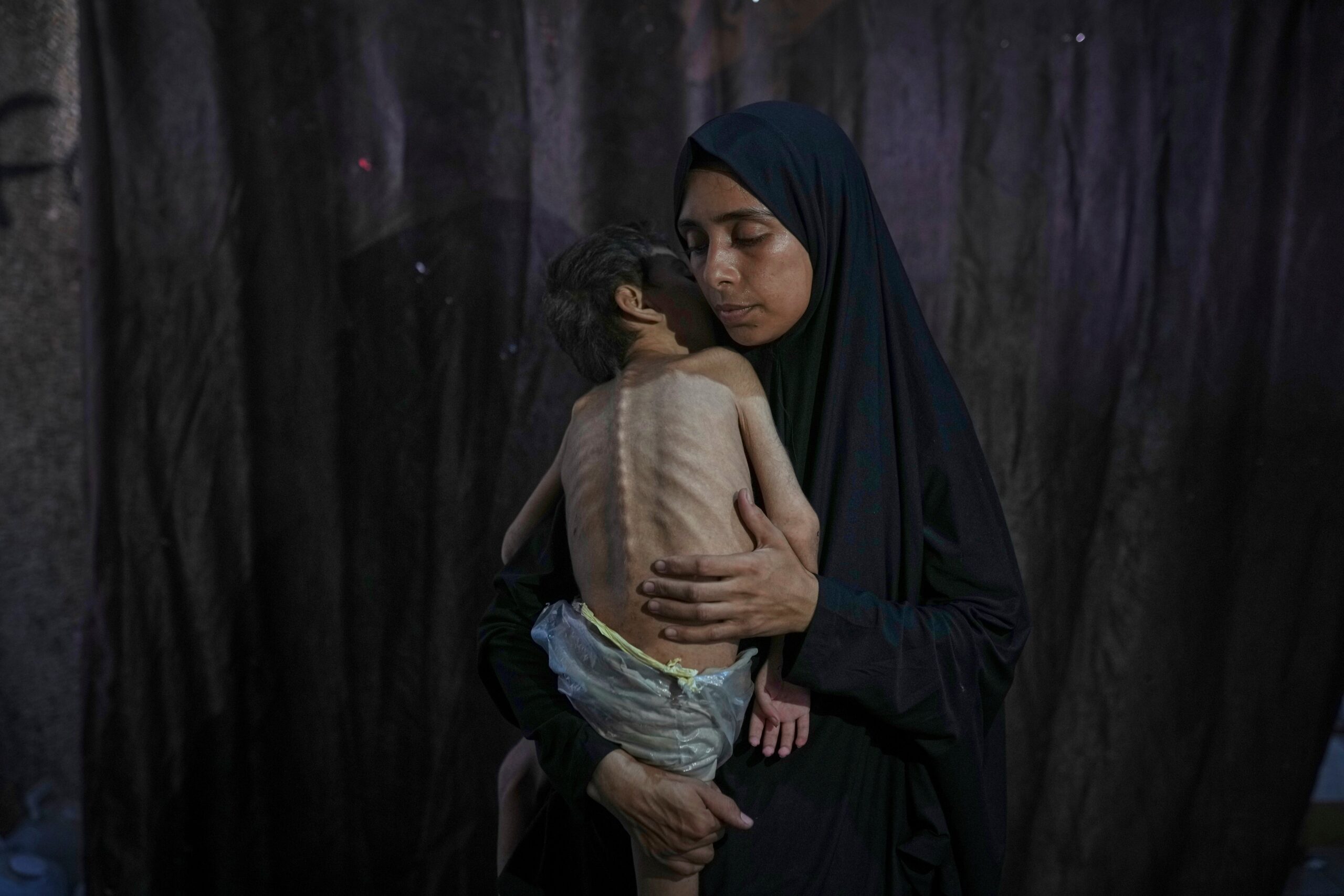
UNICEF, the biggest provider of malnutrition treatment in the besieged enclave, reported that 9,300 children were treated for severe acute malnutrition in October, when the first phase of an agreement to end the two-year Israel-Hamas conflict came into effect.
While this figure is down from a peak of over 14,000 in August, it remains significantly higher than during a brief February-March ceasefire, indicating aid flows are still insufficient, UNICEF spokesperson Tess Ingram told a Geneva press briefing from Gaza.
“It’s still a shockingly high number,” she said.
“The number of children admitted is five times higher than in February, so we need to see the numbers come down further.”
Ingram described meeting underweight babies weighing less than 1 kilogram, born in hospitals with “their tiny chests heaving with the effort of staying alive.”
UNICEF can now import considerably more aid into the enclave than before the 10 October agreement, but obstacles persist, Ingram noted. She cited delays and denials of cargo at crossings, route closures, and ongoing security challenges.
“We have seen some improvement, but we continue to call for all of the available crossings into the Gaza Strip to be open,” she urged. Commercial supplies entering Gaza are also insufficient, with meat remaining prohibitively expensive at around $20 a kilogram.
“Most families can’t access this, and that’s why we’re still seeing high rates of malnutrition,” she explained.
Last August, a UN-backed hunger monitor determined that famine conditions were affecting approximately half a million people – a quarter of Gaza’s population.
Children have been severely affected by hunger as the conflict progressed, with experts warning of potential lasting damage.
