A top NHS executive has urged people with cold or flu symptoms to wear a mask in public as the health sector braces for a “tidal wave” of illness this winter.
NHS Providers chief executive Daniel Elkeles has said anyone coughing or sneezing should wear a mask, including in the office or on transport, as he warns that a “nasty” flu strain has occurred earlier than normal this year.
Speaking to Times Radio, the NHS leader also struck out at resident doctors striking next week, which he says will harm patients at a time when the NHS is under extra pressure.
He said: “When you were talking about anything like Covid, I think we need to get back into the habit that if you are coughing and sneezing, but you’re not unwell enough to not go to work, then you must wear a mask when you’re in public spaces, including on public transport to stop the chances of you giving your virus to somebody else.
“And we were all very good about infection control during Covid. And we really, really need to get back to that now.”
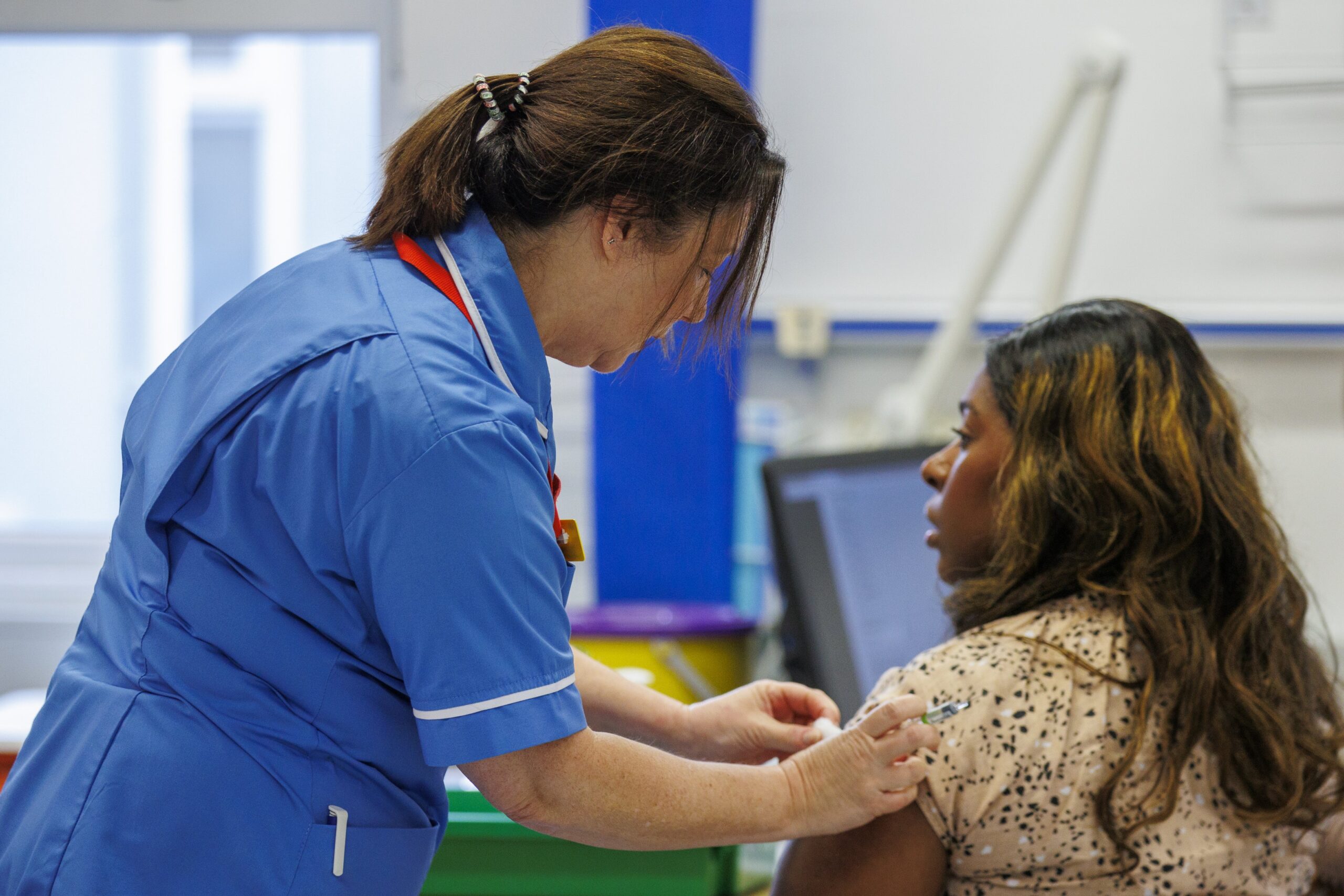
Mr Elkeles said the peak of flu this winter could be worse than previous years, as warm and wet weather combined with children still at school makes for the perfect flu-spreading conditions.
“We need to have a big debate probably after this flu season about how we prepare the public better for what happens every year,” he said.
The NHS leader also urged those eligible to get their flu jab. Hospital admissions for flu in England are at a record level for this time of year.
The new H3N2 strain, dubbed the super flu, could bring a “tidal wave” of illness before Christmas, health bosses have warned.
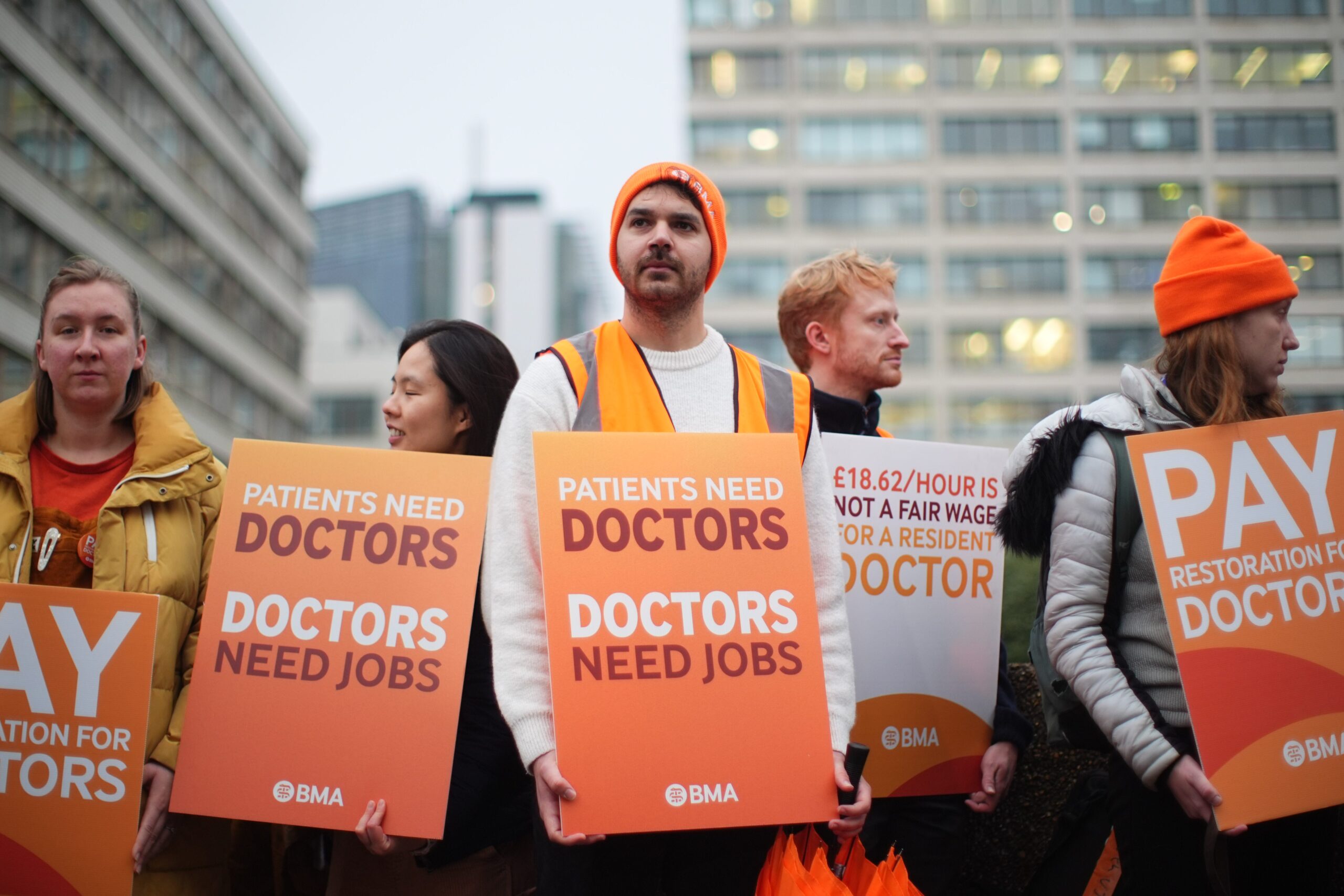
Mr Elkeles said doctors going on strike was a big challenge for the health service, and agreed with concerns from “really, really senior doctors” in the Academy of Medical Royal Colleges that the strike going ahead next week could harm patients.
He said: “It’s not too late for resident doctors and the Government to find enough common ground in their conversations to say ‘we are determined to resolve this dispute but the thing that is really, really going to damage the NHS and harm patients is having the strike next week.”
NHS England chief executive Sir Jim Mackey branded the decision by doctors to strike as “something that feels cruel” and is “calculated to cause mayhem at a time when the service is really pulling all the stops out to try and avoid that and keep people safe”.
