The estates of Jimi Hendrix’s former bandmates, Noel Redding and Mitch Mitchell, are pursuing legal action against Sony Music Entertainment UK (SMEUK) in the High Court, alleging they “died in relative poverty” while the music they created now generates a “lucrative source of revenue” for major labels through streaming.
The dispute centres on copyright and performers’ rights for three iconic albums by The Jimi Hendrix Experience: Are You Experienced, Axis: Bold As Love, and Electric Ladyland, all recorded in the 1960s.
Simon Malynicz KC, representing the estates of the bassist and drummer, told the court at the start of the trial on Tuesday that the band, formed with Hendrix in 1966 and disbanding shortly before the legendary guitarist died following a drug overdose in 1970, was “one of the most commercially successful acts of its era”.
He contended that Mr Redding and Mr Mitchell, who both died in the 2000s, “were excluded early on in their lifetimes” and “died in relative poverty”, even as the recordings continued to be a significant income stream in the digital age.
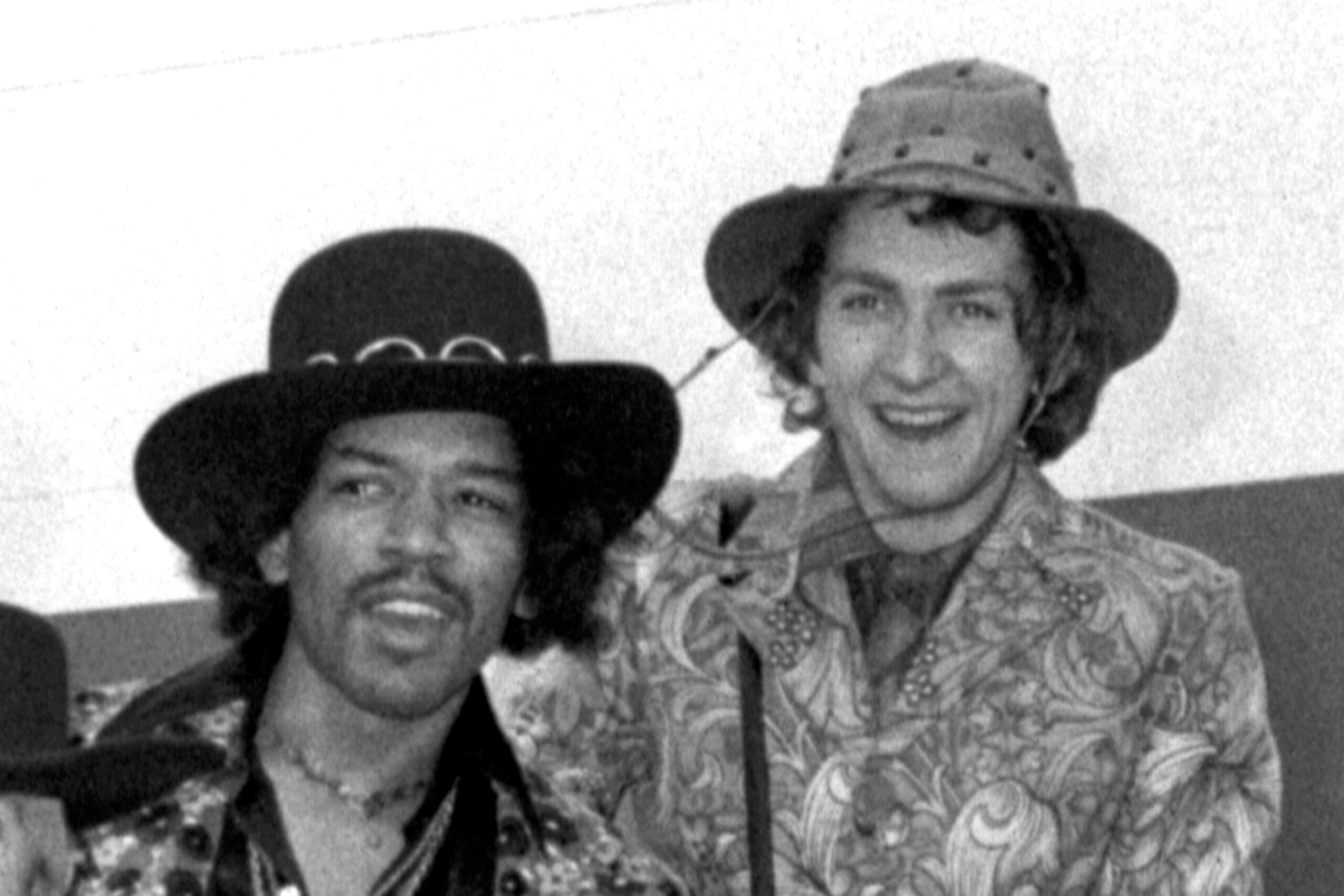
Mr Malynicz further argued that since their passing, their successors, who would typically be entitled to a share of revenue via inheritable property rights, have also been consistently excluded.
He clarified that the marginalisation was not at the hands of Jimi Hendrix himself, but rather by the administrators of his estate, subsequent legal proceedings, and “yet again by a major multinational which refuses to recognise or remunerate their copyright and performers’ rights”.
The barrister clarified that a recorded song typically involves multiple types of copyright: those pertaining to the musical and lyrical composition, and those related to the sound recording itself.
Additionally, there are distinct rights concerning the performance of the musicians involved in creating that recording. Mr Malynicz stated that it is specifically the copyright relating to the sound recording and these performance rights that are at the heart of the current dispute.
He urged the court to “ensure not only that justice is done to the memory of Noel Redding and Mitch Mitchell, but it can also give effect to James Marshall Hendrix’s wishes. For surely, he would have wanted his fellow musicians to receive everything to which they are entitled.”
However, Robert Howe KC, acting for SMEUK, countered these claims in his written submissions. He asserted that the original recording copyright belonged to the albums’ producers, not the musicians, thereby precluding the estates of Mr Redding and Mr Mitchell from entitlement.
Mr Howe also stated that the predecessors to the musicians’ estates had previously relinquished their rights to the songs and had “expressly authorised the defendant’s predecessors in title to do all of the acts of which complaint is made”.
He cited claims brought by Mr Redding and Mr Mitchell in the 1970s in New York, which resulted in payments of $100,000 and $247,500 to each, respectively.
Furthermore, Mr Howe noted that during their lifetimes, the musicians “did not seek” to prevent Mr Hendrix’s estate from utilising the recordings or performances, “despite maintaining close ties to Jimi Hendrix’s heirs and those managing his legacy”.
SMEUK has been using the recordings in the UK since 2009 and maintains its right to continue doing so. In a vivid analogy, Mr Howe asked the court to dismiss the claim, stating: “In essence, what the claimants have done in this action is the equivalent of suing the sub-tenant of one room in a house for trespass, as a device to try to obtain a declaration as to their alleged ownership of the house.”
The trial, presided over by Mr Justice Edwin Johnson, is scheduled to conclude on 18 December, with a written judgment anticipated at a later date.
