A Billy Elliot ballet star who was mistaken for a terrorist and stamped on by a Met police officer has won his court bid for up to £600,000 compensation.
Alexander Loxton, who played the character of “Older Billy” in the hit West End musical, suffered a career-wrecking ankle ligament injury during a stop-and-search by Met Police in September 2016, terminating his “Premier League” ballet ambitions.
He had gone to a London police station, hoping to retrieve a stolen helmet visor and motor scooter, but after being mistaken for a “terrorist” or thief was subjected to “unreasonable force” when an officer stamped on his foot during a search.
The Met denied the force used was over-the-top, but after a trial at Central London County Court, a judge has now ruled that Mr Loxton, 36, is entitled to damages, to be assessed later, but up to around £600,000.
The lead officer had “considerably overreacted” in the stop-and-search, said Judge David Saunders, having been “far too hasty in forming conclusions”.
As a youngster, Mr Loxton had enjoyed a classical ballet education at the prestigious Royal Ballet Upper School, where his “dedication, ability and talent” were praised, the court heard.
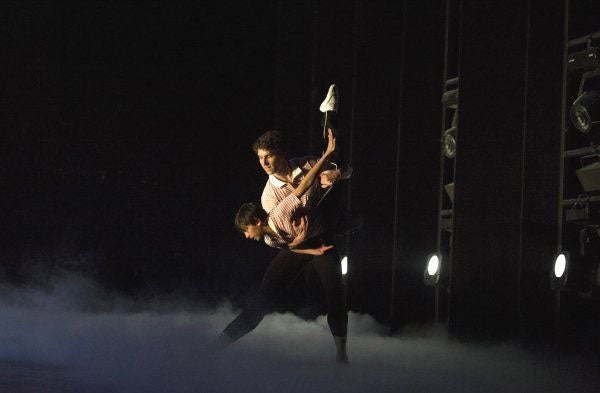
At the time of the arrest, he had begun to carve out a promising career, taking the role of Older Billy at London’s Victoria Palace Theatre, appearing in TV and film roles, starring with Keira Knightley and Helen Mirren in Disney’s The Nutcracker and as Peter Rabbit at the Queen’s 80th birthday garden party.
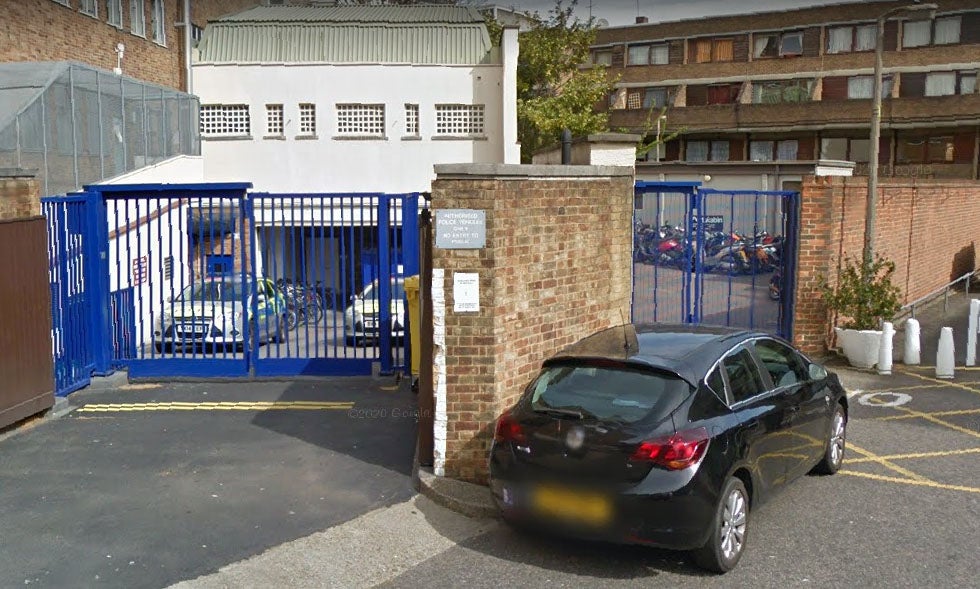
Mr Loxton said his catastrophic ankle injury occurred in September 2016 when he went to Kennington Police Station to recover a stolen hemlet visor and decided “on the off-chance” to see if a motor scooter which had also been stolen was being kept in a gated area behind the building.
It was here that he was confronted by a group of officers, Mr Loxton’s barrister, Fiona Murphy KC, told the court.
A police car was reversed towards him, before one of the officers got out and demanded he identify himself, taking hold of Mr Loxton’s left arm and trying to force it behind his back, said the KC.
“Mr Loxton tensed. The officer did not succeed in taking control of the claimant’s left arm. He stamped his foot repeatedly on the claimant’s left foot while pulling on the claimant’s left arm.
“The officer pushed and pulled him about while clamping down on the claimant’s left foot.”
Held against a wall, the officer “continued to search the claimant and as he did so he again repeatedly stamped his foot down on Mr Loxton’s ankle”, said Ms Murphy.
The incident left Mr Loxton with permanent injuries to ligaments in his ankle, while he also complains of feelings of “distress, anxiety, embarrassment, humiliation and degradation” – and soft tissue injuries to his thumb, wrist and fingers.
Ms Murphy said that, before the incident, Mr Loxton was thought to have the ability and determination to make it in “premier league ballet companies” or in the West End musical and film industries.
But depite despite intensive rehab efforts, his “permanent and career-ending” injuries meant he was unable to cope with high-pressure ballet work.
“He was and remains unable to tolerate the full repertoire of dance manoeuvres, with particular difficulties in the areas of jumping, changing direction and landing,” she said.
Defending the claims against it, the Met denied that any force used was disproportionate, with the lead officer in the incident claiming Mr Loxton was “very aggressive and extremely evasive.”
He had been spotted “brazenly looking into the yard” from which bikes had been stolen previously and the officer suspected that Mr Loxton was “there either to break into the police yard or conduct an activity related to terrorism” at a time when the terror threat was deemed “severe,” the officer said in evidence.
When Mr Loxton declined to hand over any ID and started to walk away, the officer decided to stop and search him, enlisting the help of two colleagues to restrain and handcuff.
He never stamped on the dancer’s left foot, the cop insisted, having only put his right foot onto Mr Loxton’s foot to keep it in place when he repeatedly struggled while being searched.
However, giving his decision, Judge Saunders said he preferred the ex-dancer’s evidence, also rejecting Met claims that Mr Loxton “aggressive and evasive”.
There were no solid grounds for suspecting Mr Loxton of being involved in terrorism or crime, he said, adding that he had already explained his reasons for visiting the police station to another officer.
“This was not a situation where he was in any way being furtive”, said the judge, adding: “I found it unusual that the officer was seeking to get hold of Mr Loxton before he had been given a chance to explain himself in a situation where he had already explained himself.
“He said, ‘I need to take hold of him, he was walking away, I needed to take control of him’.”
“That is important because I formed the view, on balance, that he overreacted without considering the implications of what he was doing.
“In other words, he was far too hasty in forming conclusions about Mr Loxton, someone, of course, who had never been in trouble with the police, and who it was subsequently discovered was a professional ballet dancer.”
The judge continued: “In my view, Mr Loxton’s account is to be preferred. The more likely explanation is that the officer considerably overreacted to the situation, that other younger and less experienced officers were compelled to follow and it has resulted in a quite violent incident and consequent injury to Mr Loxton which was out of proportion to what had actually occurred.
“I have found, on balance, that the application of force by this officer was unlawful and was caused by stamping or the application of force to the claimant’s left foot in accordance with his account.”
Although acknowledging that the dancer had suffered a previous ankle strain in 2013, the judge rejected the Met’s claim that his 2016 ligament damage was an “everyday occurrence” and found that the stamp caused lasting damage.
He also brushed aside claims that the dancer’s career was “essentially over” by the time of his unwanted clash with the police, deciding that he could have gone on to excel in ballet for another nine years until he sidelined into a successful teaching career.
Just months before the incident, Mr Loxton had been offered “prestigious” stage roles, having been offered the role of “Slave Master” in Phantom of the Opera, as well as a role in a Disney movie.
For Mr Loxton, dance was his lifelong “passion and skill”, said the judge, and he had never trained for any other career.
He awarded him £24,000 in “general damages” relating specifically to his ankle injury and a provisional £10,000 in “aggravated damages” to reflect the “oppressive and humiliating” impact of his arrest.
“I have found that the force used was unjustified. I find that, in accordance with my above findings, the incident must have caused some degree of humiliation – Mr Loxton was handcuffed and placed against a wall by five officers, in full view of anyone passing.”
But Judge Saunders said he will consider the full issue of compensation for the loss of Mr Loxton’s dance career at a future date after out of court discussions between both parties.
Mr Loxton has submitted a compensation claim just shy of £600,000.
