Two members of the House of Lords, including a former army chief, have been suspended from the upper chamber after being found to have exploited their positions for financial gain.
The suspensions follow two independent investigations, triggered by a newspaper sting operation, which concluded that Lord Dannatt and Lord Evans of Watford had both breached the Lords’ code of conduct.
The independent Commissioner for Standards initially proposed the sanctions, which were subsequently upheld by the Lords Conduct Committee.
Lord Dannatt, an independent crossbencher and former chief of general staff, received a four-month ban, while Labour peer Lord Evans of Watford was suspended for five months.
Neither peer chose to appeal the commissioner’s findings or the recommended suspensions.
The upper chamber formally approved the sanctions on Monday.
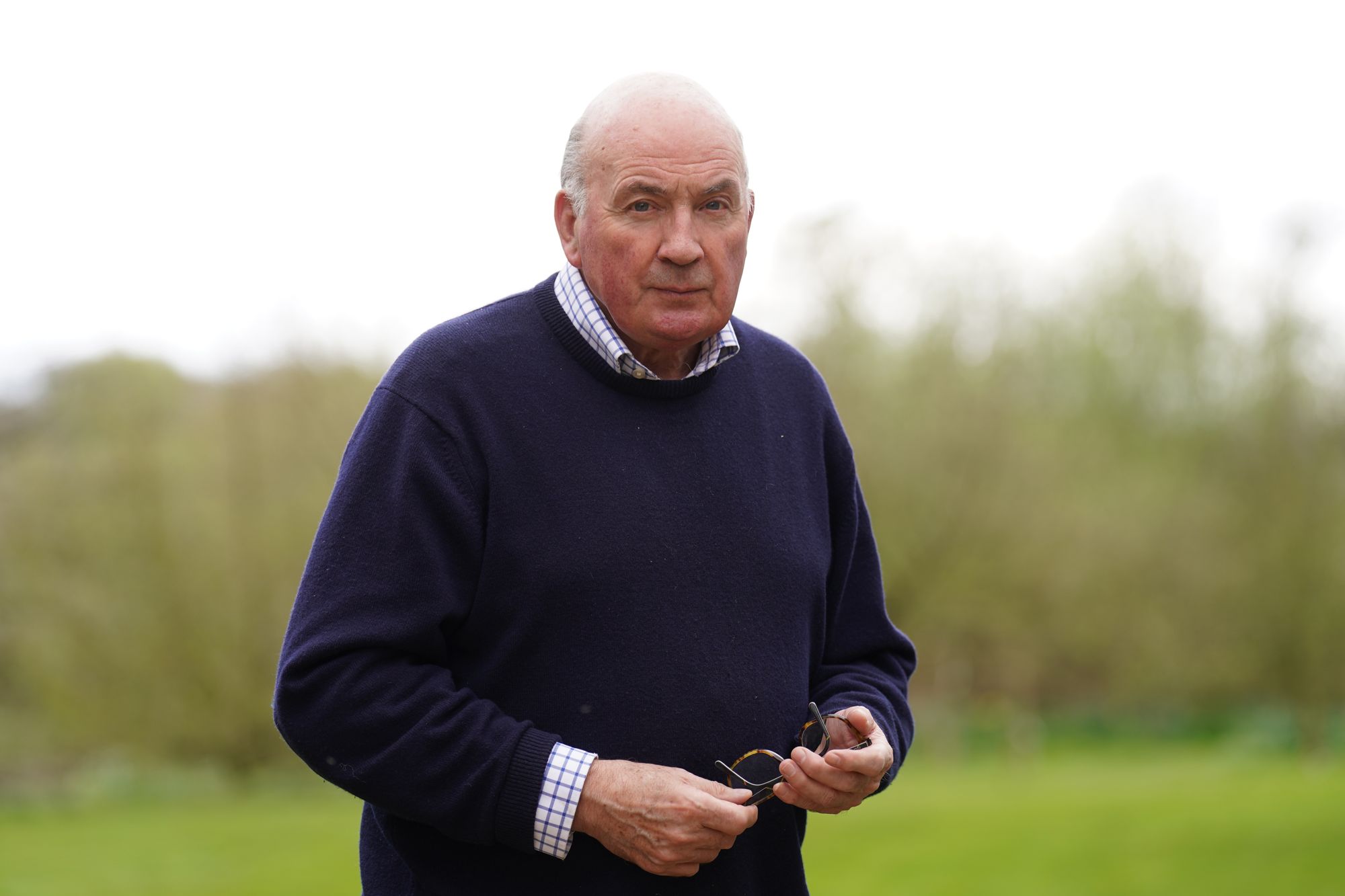
The probes were launched in response to comments made by both peers to undercover Guardian journalists.
Lord Dannatt was judged by the commissioner to have “expressed a clear willingness to provide paid parliamentary services” to the reporters in breach of the rule that members should always act on their personal honour.
Evidence subsequently emerged of three further cases in which Lord Dannatt had provided parliamentary services in return for payment, by contacting ministers and officials on behalf of three separate companies in which he had a financial interest.
Chairman of the conduct committee Lord Kakkar told Parliament: “Lord Dannatt argued that he was acting in the national interest but, even if that were so, it provides no defence.
“The code is clear that accepting payment in return for offering parliamentary advice or services, which includes setting up meetings or introductions, or writing to ministers or officials, is prohibited. This is so whatever the motivations of the member.”
He added: “Given the number of breaches that came to light in his investigation, the commissioner concluded that a significant suspension was appropriate.”
It was alleged Lord Evans offered “cash for access” during meetings with journalists posing as potential clients of a company, Affinity, owned by his son. Lord Evans held one-third of the shares in the firm.
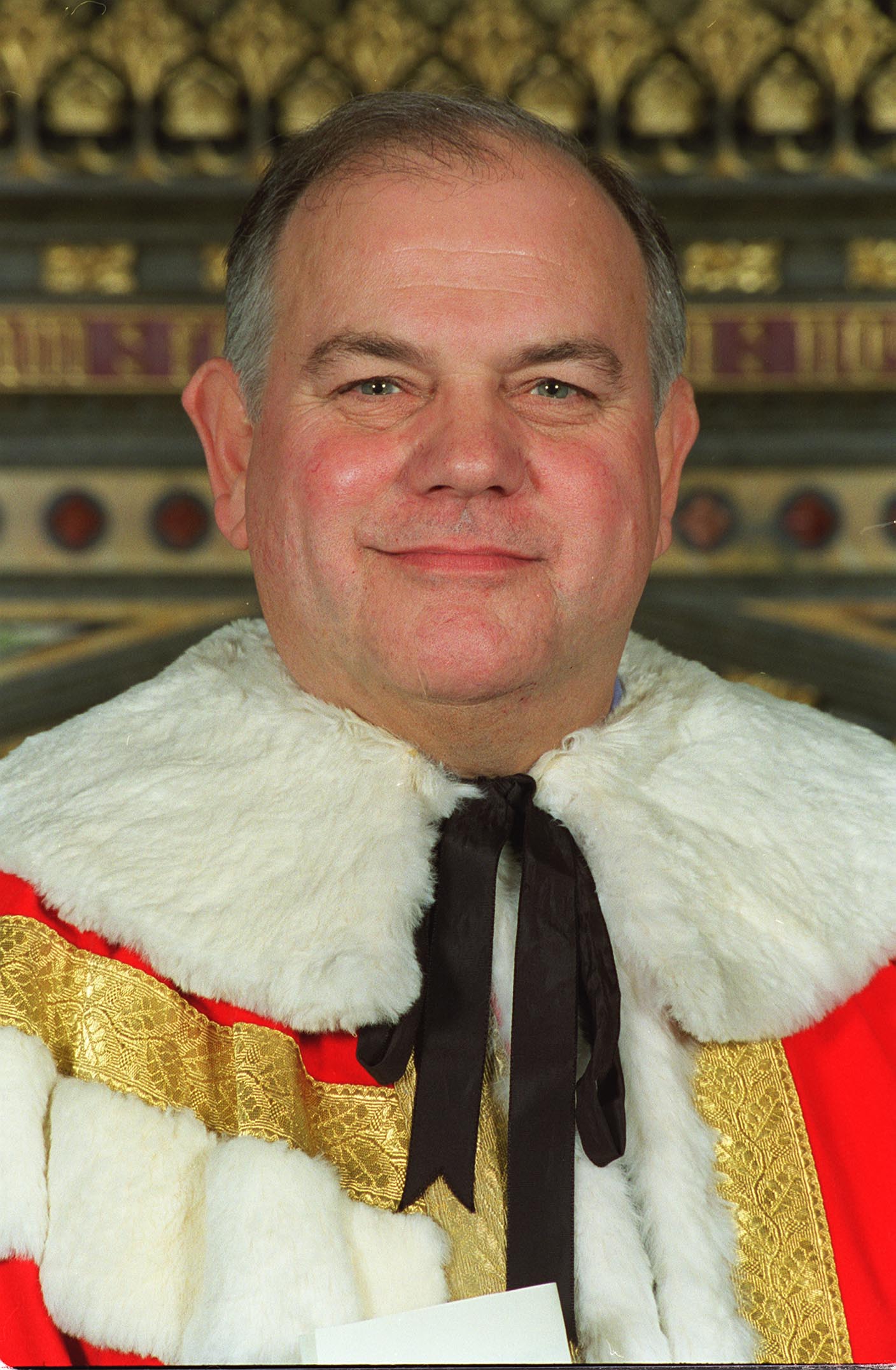
The commissioner said Lord Evans failed to act on his personal honour when he told the reporters he would be willing to introduce them to members of the House, given his financial interest.
It was also found Lord Evans had sponsored events at the House of Lords on behalf of Affinity and approached other members to speak at them.
In doing so, he provided parliamentary services to a company in which he had a financial incentive.
In addition, the commissioner concluded Lord Evans broke the rules for these events as tickets were advertised for sale at above cost price and were used to “drum up” business for the firm he part-owned.
Lord Kakkar said: “The facilities of the House are provided at public expense to support members’ parliamentary work, not to help them generate financial or material gain.
“All members, if they sponsor events, are required to satisfy themselves and certify that the rules have been followed. Lord Evans failed to do so, and his actions put the reputation of the House at risk.
“We therefore concurred with the commissioner that a significant suspension was warranted and have recommended that he be suspended for five months.”
