One in seven patients awaiting hospital treatment finds their referral has been lost, rejected, or never even dispatched, according to a new study by Healthwatch England.
The research reveals that a significant 14 per cent of referrals vanish into a “black hole,” with seven out of ten affected patients only discovering they were not on a waiting list for specialist care after personally pursuing NHS teams.
The poll, which surveyed 2,622 adults across England, also highlighted patient sentiment, with 23 per cent expressing dissatisfaction with the referral process, while 62 per cent reported satisfaction.
This study was initiated to evaluate whether improvements had been made following reports of poor patient experiences in 2023, when a higher figure of 21 per cent of referrals were either lost or rejected.
A Healthwatch England spokeswoman commented: “Yet despite progress, many patients still report that poor communication, delays, and uncertainty caused by long waits are affecting their health, well-being and ability to work.
“The patient champion warns that as the NHS shifts to delivering more care closer to people’s homes, healthcare leaders must act now to close referral black holes to improve patient safety, experiences, and outcomes.”
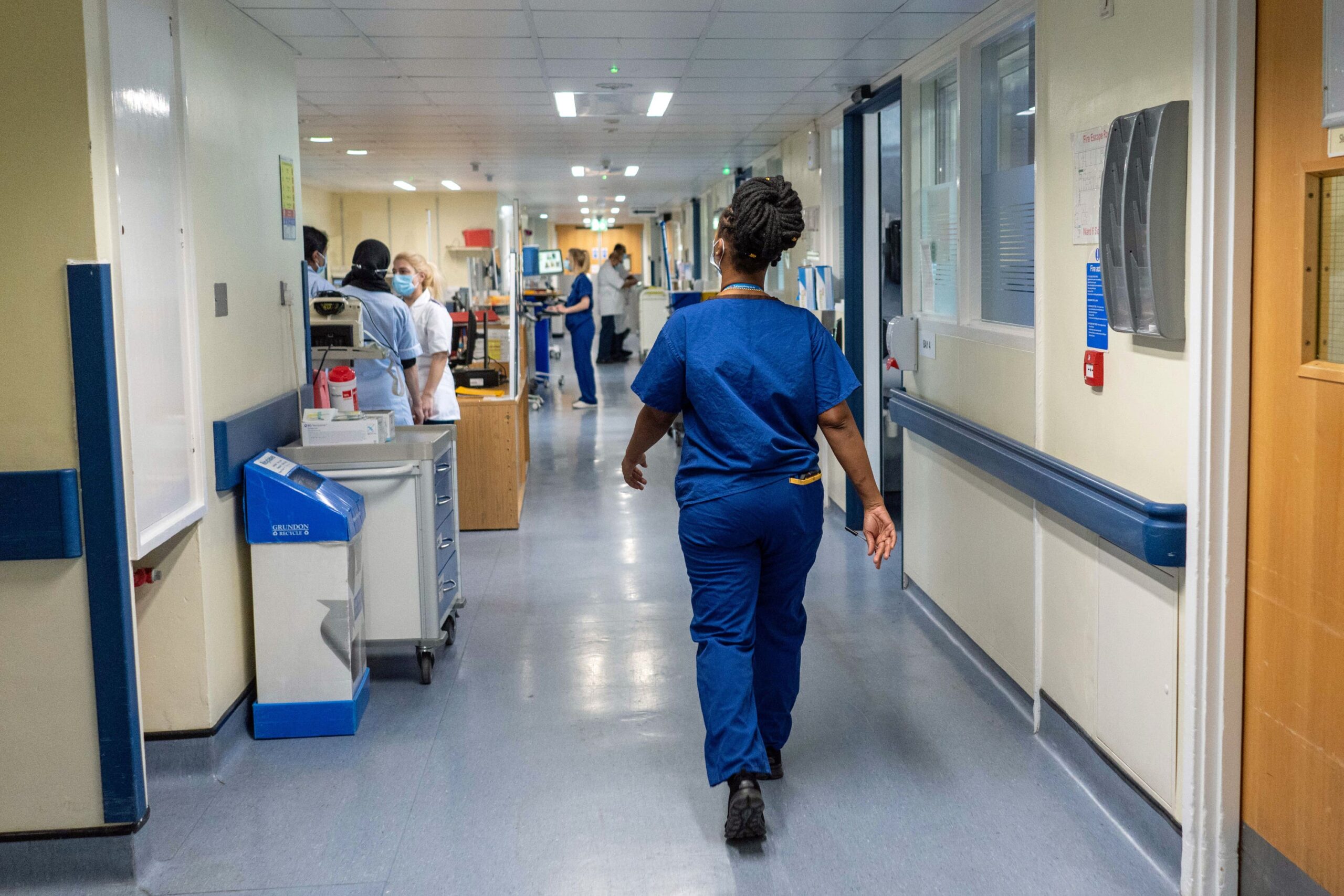
The human impact of these systemic issues is evident in cases like Patrick, a 70-year-old retired NHS worker from Milton Keynes, who described feeling “stuck in limbo” after waiting since July for an appointment with a specialist for his back and hip pains, without any communication from the hospital department.
He said: “When I rang, they were nice on the phone, but they couldn’t give me any good news. It could be as long as a year before I get an appointment, and that’s just to take the first step in a long process.
“I feel like I’m stuck in limbo. The pain’s impacting how often I can get out and do everyday activities.”
Chris McCann, deputy chief executive at Healthwatch England, said: “GP referrals are the gateway to specialist care and that’s why healthcare leaders need to take action to ensure they work for everyone.
“Behind every delayed, lost, or rejected referral is a human story of pain, stress and uncertainty.
“And while improvements have been made, too many people remain stuck in the referral ‘black hole’, telling us they’re ‘existing, not living’ due to delays.
“Simple steps, such as quicker GP referrals, faster hospital confirmations and better communication, would ensure people don’t bounce back to busy GP teams and improve their safety and experience.
“We call for a referrals checklist with clear responsibilities across NHS teams, accurate waiting time estimates, and rapid implementation of Jess’ Rule to ensure patients are referred when health issues remain unresolved.”

A Department of Health and Social Care (DHSC) spokesperson told The Guardian that the situation was “not acceptable” but improvements had been made since the research was carried out in March.
The DHSC is putting an extra £1.1 billion into general practice, recruiting more family doctors and cutting red tape so GPs can spend more time with patients, the spokesperson added.
The DHSC spokesperson said: “We have been clear that it will take time to turn around the NHS but we are starting to see improvements. There’s still a long way to go but we are beginning to see the green shoots of recovery.”
