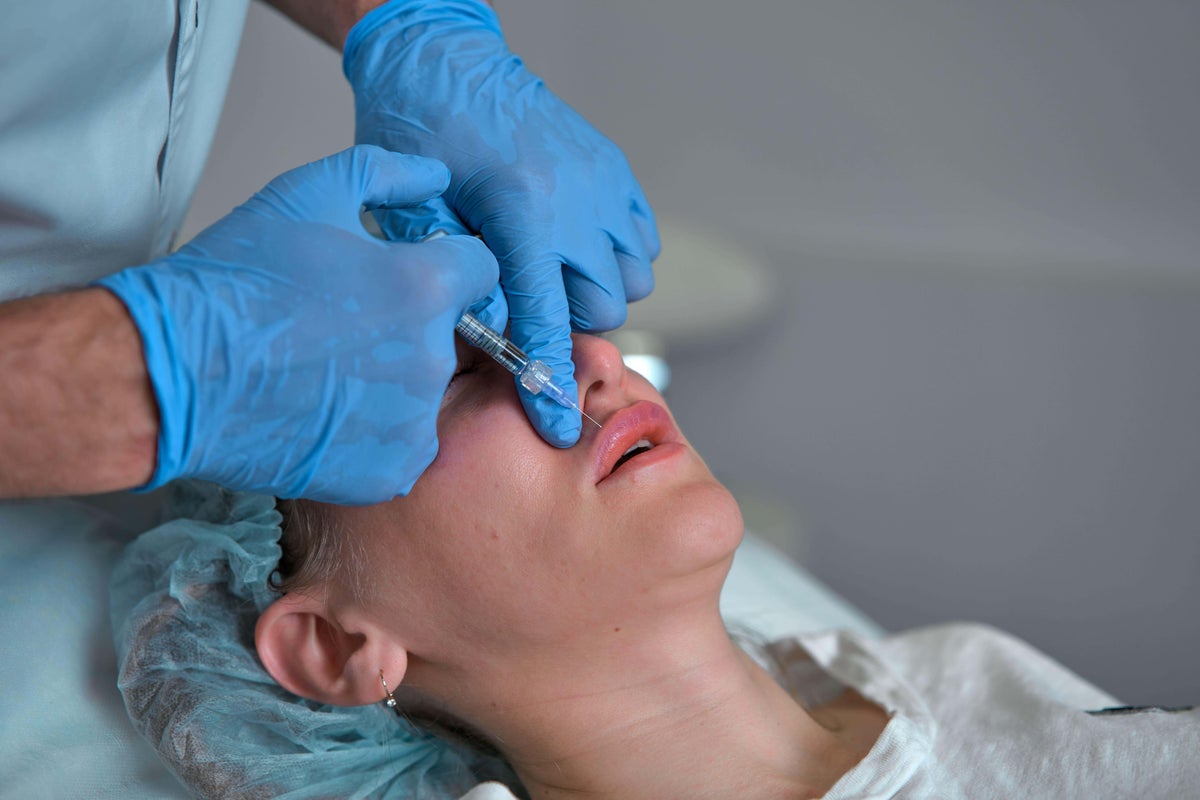
People as young as 15 have sought advice about botched botox and filler treatment, a charity has said.
Advice Direct Scotland (ADS), which runs consumeradvice.scot, is calling for tighter restrictions on cosmetic procedures as it deals with hundreds of complaints each year when things go wrong.
The Scottish Government has proposed legislation to restrict non-surgical treatments to people aged 18 and over, a move backed by the charity.
In a submission to MSPs examining the Bill, it said it has dealt with 430 cases related to such treatments in the past two years, with customers suffering a combined financial loss of £192,000.
The charity’s submission to Holyrood’s Health, Social Care and Sport Committee states: “The public can flag concerns about practitioners to us.
“We have received complaints about some practitioners carrying out dermal filler and botox injections on customers as young as 15.
“We have also received reports of some traders performing injections from their homes and public locations.”
ADS examined a sample of 50 cases, finding 24 (48%) contained reports of physical harm or adverse effects, of which some required medical assistance.
One case involved a person attending a facial filler consultation with an aesthetician at a beauty salon.
They were upsold facial filler for places they did not initially request it, and after the treatment they were left with extreme swelling and fluid pooling under their eyes.
They contacted the practitioner, who advised it was an allergic reaction and to take antihistamines.
This failed to reduce the swelling, and the customer paid extra to have some of the filler dissolved.
The charity’s submission adds: “Although our adviser was able to provide advice on the next steps the customer could take from a consumer protection standpoint, they were left feeling that they had very limited avenues for meaningful recourse.
“Despite experiencing significant pain, investing considerable time, and paying £725 for the procedure which they were not happy with, they found few mechanisms to hold the aesthetician to account.
“The absence of a robust, industry-wide complaints or redress system meant that their options were largely confined to informal resolution which relies on the practitioner’s willingness to engage.
“As a result, the customer was left dissatisfied with both the process and the outcome of their treatment.”
ADS has called for the Non-surgical Procedures and Functions of Medical Reviewers (Scotland) Bill to be strengthened to protect consumers, including requiring published inspection reports, enforcement actions, and compliance.
The charity also wants targeted public awareness campaigns and guidance aimed at parents, guardians, and carers to be developed to help protect those particularly at risk, which its analysis identifies as young people, first-time patients, and those influenced by social media trends.
It further recommends development of clear consumer guidance outlining the requirements for permitted premises, what to look for in a qualified practitioner, and the steps consumers can take to make informed choices.
Jillian Edmund, project lead at ADS, said: “It’s shocking to be contacted by people as young as 15 who are left needing help after being injected with botox and fillers by unscrupulous practitioners.
“The Bill’s protections for under-18s are welcome and essential. Currently, due to a lack of regulation, we are handling the fallout from unqualified practitioners operating across Scotland.
“In many cases, individuals providing these treatments may not have adequate knowledge of facial anatomy, infection control, or complication management. Patients can be left harmed with limited recourse against unethical practitioners.
“The proposed regulations will help to address concerns by establishing a clear and enforceable framework, defining who is qualified to perform such procedures and under what conditions.
“Regulation will also encourage greater accountability and transparency, enabling prospective clients to make informed choices based on verified qualifications and professional registration.”
A Scottish Government spokesperson said: “It is vital we see safe standards across this industry, that is why we have brought forward legislation to regulate this sector, which includes an offence to provide non-surgical procedures to people under the age of 18.
“Our aim is to ensure there is robust and proportionate regulation in place so that anyone who chooses to have non-surgical procedures can do so safely.”
