Allegiant Air’s pilots’ union is currently obstructing the airline’s efforts to secure permanent residency for dozens of foreign pilots from Chile, Australia, and Singapore, leaving their immigration status and the company’s staffing in a precarious state.
The union has refused to certify to the US Department of Labour that the pilot positions, which begin at approximately $50,000 a year – roughly half the earnings of pilots at other regional airlines – meet “prevailing wage” standards. This certification is a critical bureaucratic step required for the pilots’ green card applications.
Instead of recruiting pilots from overseas, the Teamsters Local 2118 has urged Allegiant to offer industry-standard compensation and improve scheduling to retain its existing pilots, many of whom are departing for rival carriers.
The union alleges that the airline misrepresented its intentions to permanently hire these pilots and contends that there is no longer a pilot shortage in the US, rendering the pursuit of permanent residency for these individuals unnecessary.
Gregory Unterseher, director of the Airline Division of the International Brotherhood of Teamsters, told Reuters: “They had such a hard time in 2023 finding pilots, they actually started hiring visa pilots out of Chile on an H-1B1 because they promised them citizenship, a green card verbally to come fly in America for 50,000 bucks a year.” He added, “Because they’re having such a hard time keeping and maintaining pilots at such a low wage.”
Allegiant, like most US carriers, stated it faced significant workforce challenges when travel demand surged after the pandemic. The airline has also struggled to retain pilots, partly due to low pay. To stabilise staffing, the carrier expanded its recruitment to include pilots under employment-based visa programmes.
Allegiant currently employs around 62 pilots from Chile, Australia, and Singapore through H-1B1 and E-3 visa programmes, representing about 4 per cent of its total pilot count of 1,345.
An Allegiant spokesperson clarified that hiring pilots through visa programmes is a minor supplement to its broader workforce strategy, not a replacement for US hires. However, the union declined to provide the necessary letter for the permanent labour certification application submitted by the airline. A Labour Department-issued permanent labour certification enables employers to hire foreign workers for permanent roles in the US.
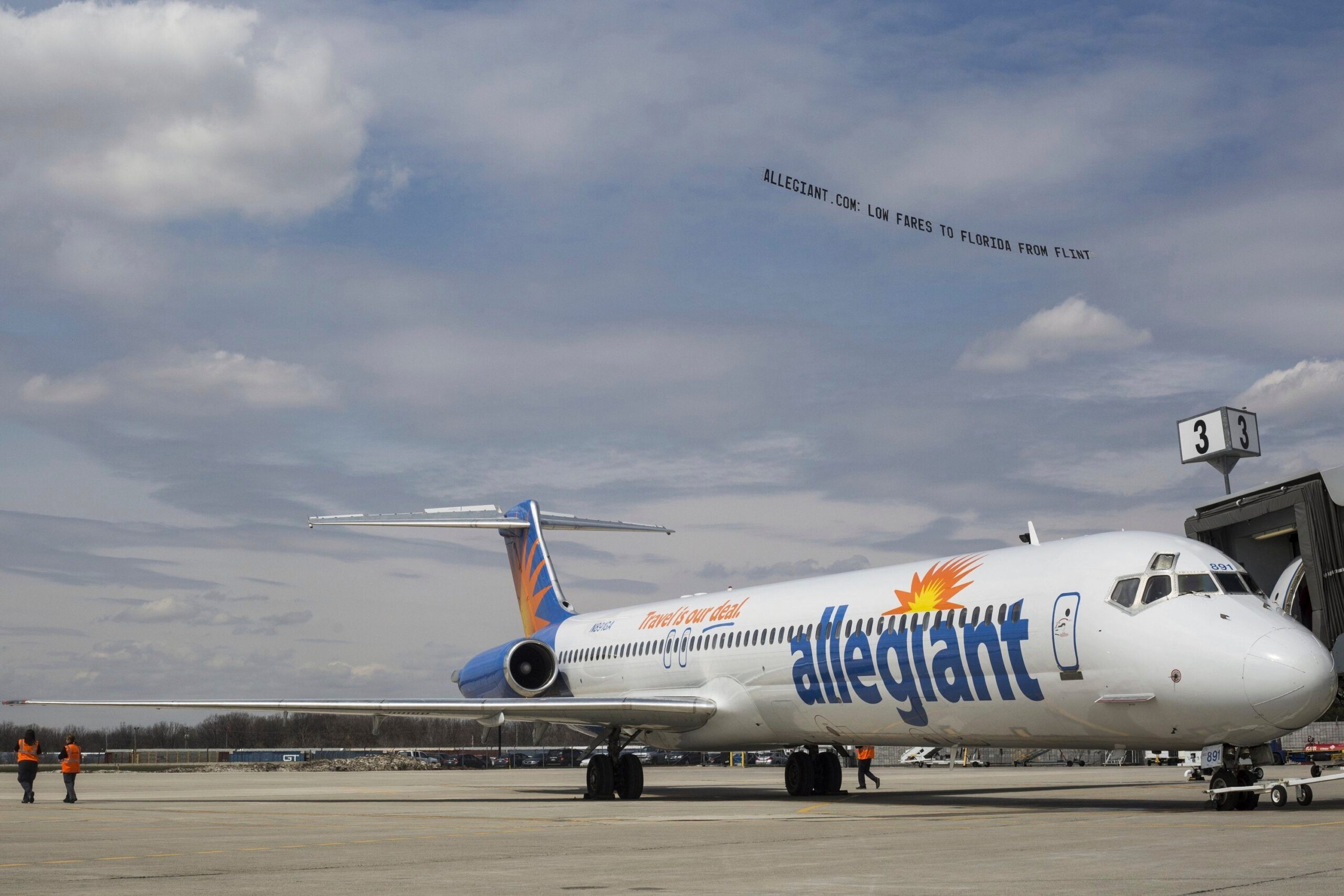
In a letter to pilots seen by Reuters, Allegiant wrote: “as a result of the union’s failure to provide that information, we understand that the time to obtain your green card may be delayed.” The letter further stated: “The company condemns the union’s decision to harm you by refusing to provide the updated letter requested by the Department of Labor.” Allegiant affirmed to Reuters that “all of our hiring practices fully comply with federal labor laws, FAA regulations, and the collective bargaining agreements in place with our pilot union.”
The immigration status of many foreign pilots remains uncertain, with some reportedly advised not to leave the country as President Donald Trump implements stricter measures against foreign-born workers, according to the union. Mr Unterseher expressed concern, saying: “My heart goes out to them. They were told, I think recently that they shouldn’t even leave the country, right? Because they might not be able to get back in.”
Attrition rates are reportedly increasing at Allegiant, with pilots leaving due to what they describe as industry-low pay, frustrations with scheduling, and a nearly decade-old labour contract. One pilot who recently left Allegiant told Reuters anonymously: “First officers at Allegiant in their first year in most cases are making less than flight attendants at other major airlines or TSA agents.”
Despite the carrier’s expressed interest in expanding operations, potentially adding 1,400 more destinations, a lack of adequate staffing remains a significant hurdle, pilots informed Reuters. The anonymous pilot added: “For the last 18 months, there was nowhere to go. Now that people have options, you are seeing people leaving. I’ve got five or six friends just in my little small group of people that I know that are leaving.”
