Being cold could be the key to losing weight this winter, thanks to a special type of fat.
Unlike white fat, which serves as energy reserves for the body, brown fat converts calories into heat when we are cold.
In theory, turning the thermostat down or having a cold water swim could boost the benefits of brown fat in our bodies.
But experts explain it may not be as simple as taking a cold plunge to harness our brown fat.
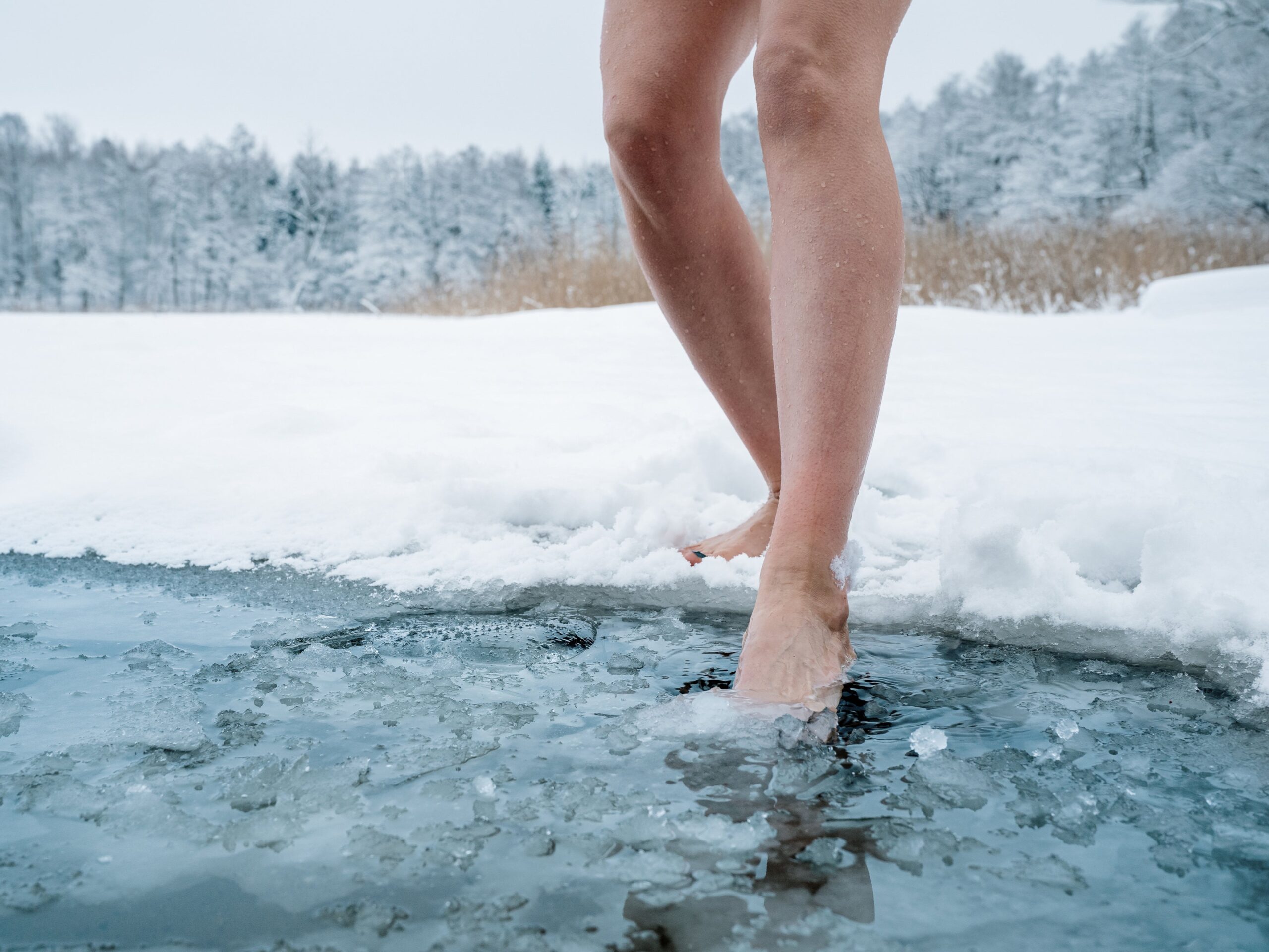
Brown fat is found in plentiful amounts in babies because they do not have enough muscle to shiver and brown fat helps to keep them warm.
The fat cells do this by containing a high number of mitochondria, which produce energy inside a cell. The types of mitochondria inside fat cells are able to convert calories from food into heat.
The caveat is that adults have far less brown fat than babies, making it harder for us to harness the calorie-converting benefits.
“Adults have a relatively small amount of brown fat and there’s no real way of boosting its numbers. You could use the brown fat that is already there but it’s not going to have a dramatic effect on energy balance,” Martin Whyte, associate professor of metabolic medicine at the University of Surrey, told The Independent.
“But you can do what’s called ‘browning’ when white adipose tissue doesn’t become brown fat, but it becomes beige. You can recruit white fat cells to become and behave a little bit like brown fat and the difference in colour, of course, comes from the mitochondrial content.”
It is possible to trigger the browning of fat cells by being in the cold, but it needs to be persistent cold. Simply taking a cold shower in the morning won’t cut it, Professor Whyte explains.
“Persistent exposure of at least a couple of hours a day at around 16 degrees will cause the browning of fat cells,” he added.
The cold activates the fight-or-flight response in the hypothalamus, the gland that leads to stimulation of your sympathetic nervous system. This releases the neurotransmitter noradrenalin, which binds to the receptors of these cells and leads to browning.
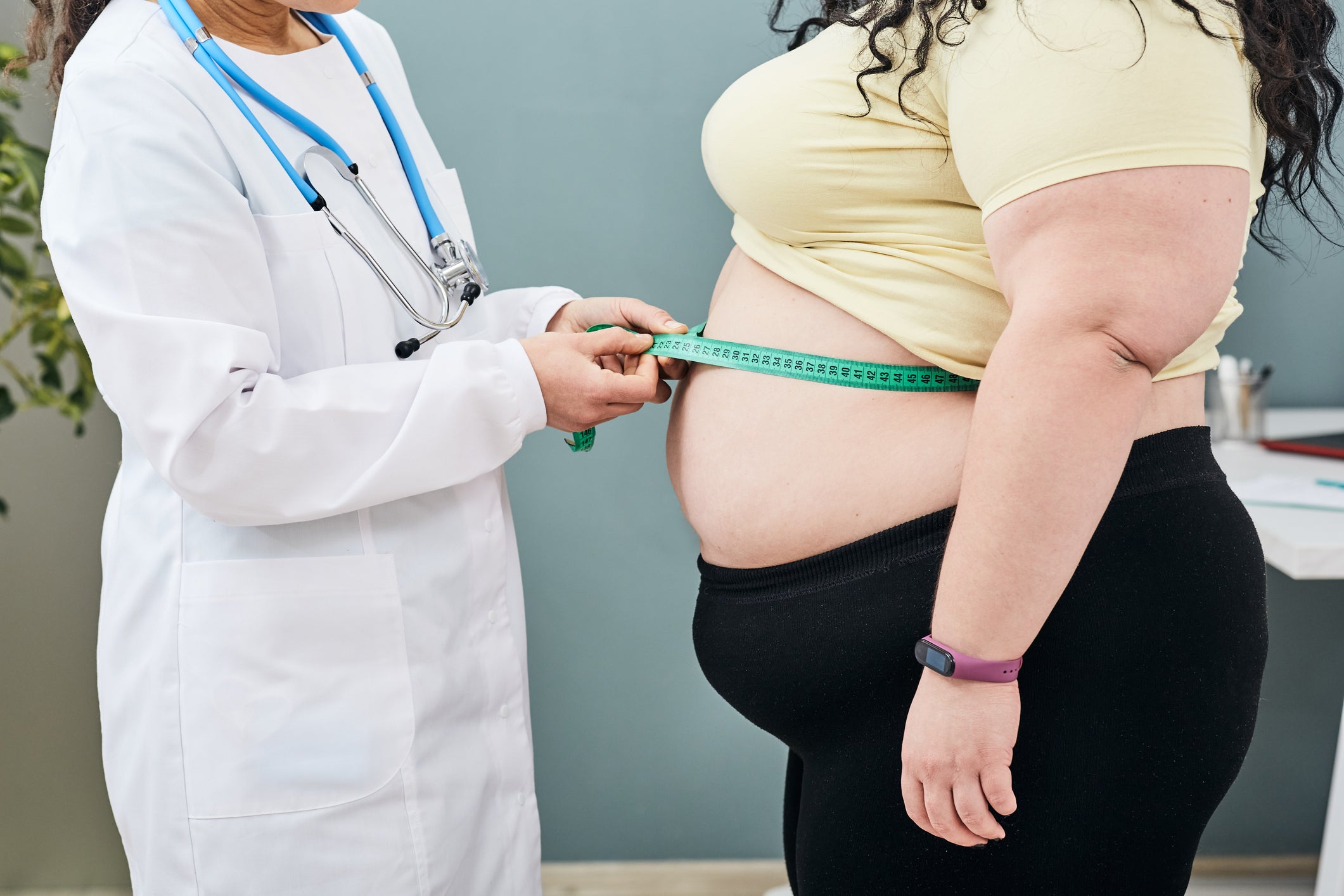
But experts question whether this browning of fat cells actually leads to weight loss.
“If over the winter months you didn’t turn on your heating, you would probably boost your brown fat and lead to a lot of browning of white fat, but you might also be losing weight literally through shivering,” Prof Whyte said.
Our behaviour also changes when we are exposed to consistent levels of cold, causing us to eat more food, which results in weight gain.
“Prolonged cold exposure definitely boosts your brown fat and will cause browning, but whether there’s a net gain after all that, because of change in your behaviour, is questionable,” Professor Whyte added.
A better option to get the same results by avoiding the cold could be medication. Prof Whyte explained how drugs could replicate the binding of noradrenaline onto the receptors of the cells, and bypass the cold exposure part.
But because these drugs would stimulate the sympathetic nervous system, they could have other side effects, such as an increased heart rate.
Although there is an association between the browning of fat cells and weight loss, Adam Collins, associate professor of nutrition at the University of Surrey, stressed that causation does not infer correlation.
“If you compare our habits to the 1980s, we now have our heating higher and wrap ourselves in arctic coats, so perhaps we are not exposing ourselves to enough cold,” he told The Independent.
“You don’t need to be exposed to temperatures of -10C to get the results; you can boost beige fat by being exposed to temperatures of 16C to 17C.”
He explained there is an association between increasing obesity levels and the temperature we have our thermostat at, but that doesn’t mean a lack of brown fat is increasing obesity levels.
Prof Collins suggested brown fat and beige fat might not be that important for regulating metabolism. Instead, those who have more brown fat could just be more tolerant of colder weather and able to generate heat.
