Dog owners in England and Wales now face unlimited fines if their pets worry livestock, including newly protected llamas and alpacas. Peers and MPs have jointly agreed to lift the previous £1,000 cap on penalties for dog attacks on farm animals.
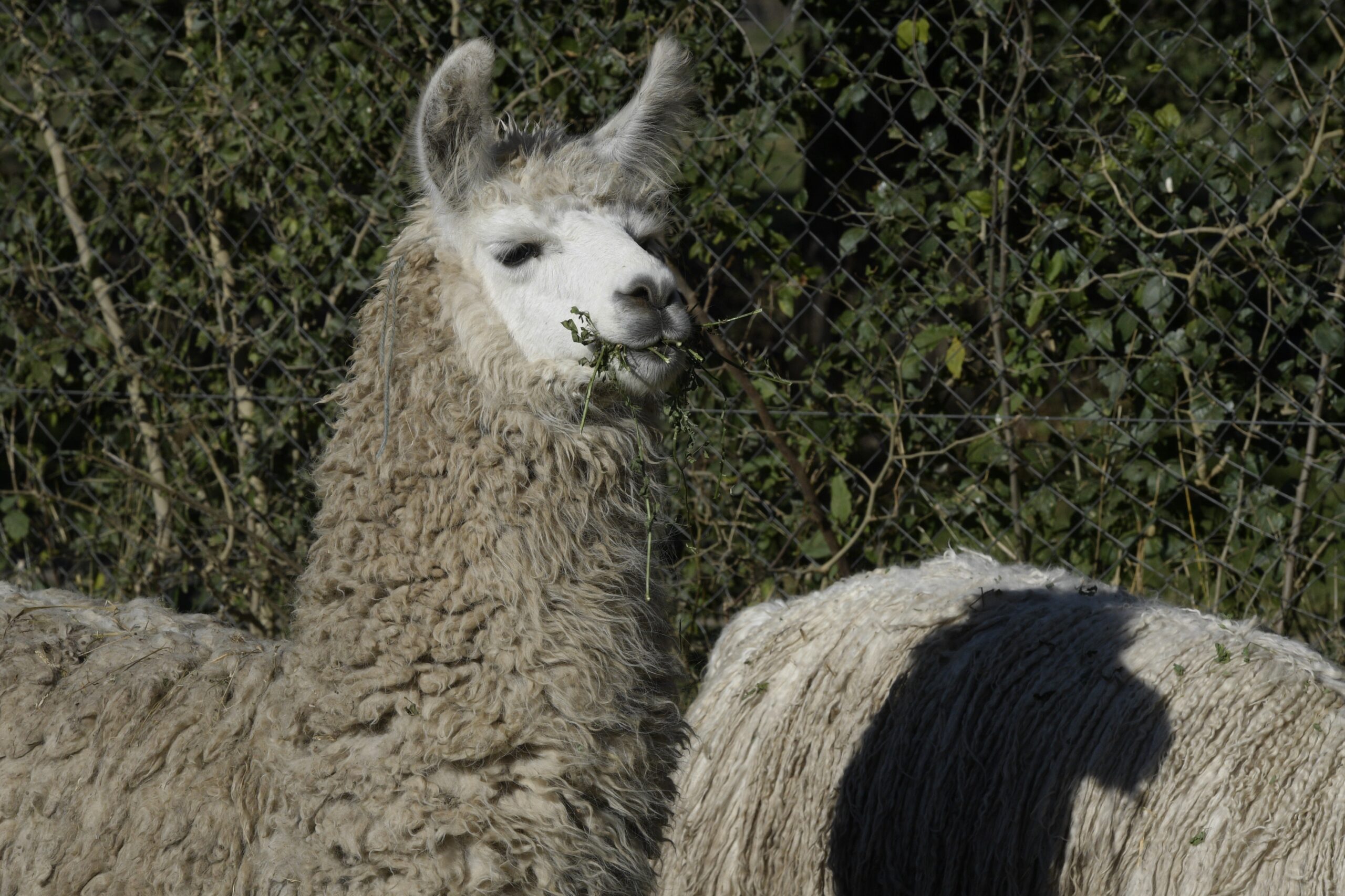
This change, part of the Dogs (Protection of Livestock) (Amendment) Bill, extends safeguards to camelids, placing them on par with goats, sheep, cattle, and poultry.
Conservative former deputy prime minister Baroness Therese Coffey, who steered the Bill through the upper chamber, said: “Livestock worrying has devastating consequences, both for animals and farmers, and it can be horrific, causing brutal injuries that are tragically often fatal.
“There are instances of stress causing pregnant livestock to miscarry, and separation of mothers and their young leading to hypothermia and of course starvation.”
The Bill, once it receives royal assent, will update the Dogs (Protection of Livestock) Act 1953 to broaden its scope, bringing roads and paths into scope alongside fields and enclosures.
“That will give farmers greater reassurance when moving livestock,” Lady Coffey told peers.
Police officers will also gain new powers to seize dogs which pose a risk of repeated attacks.
Lady Coffey described the proposal, which has now cleared both Houses of Parliament, as a “straightforward way to make sure that we help our farmers, whose primary role is to grow food to put on our plate”.
Lord Colgrain, who is also a Conservative peer, said: “This small and seemingly innocuous Bill will provide, when it receives royal assent, the best possible Christmas present to all livestock owners.”
Animals minister Baroness Hayman of Ullock said: “The provisions will serve as a deterrent but also restore confidence among farmers and members of rural communities, many of whom live in fear of the devastating impact of such incidents and what impact they have on their livelihoods and also the welfare of their animals.
“This Bill is a truly meaningful step forward in our commitment to animal welfare and to those who work tirelessly to sustain our agricultural sector.”
