UK households are to be hit by a £108 surge in energy bills to pay for infrastructure upgrades.
Britain’s energy watchdog has given the go-ahead to an initial £28 billion of investment to upgrade UK energy infrastructure, but revealed the move will push up network charges on household bills.
In its final verdict on price controls for energy network firms over the next five years, Ofgem has increased the allowed investment spend from the initial £24 billion that was provisionally given the go-ahead in the summer.
It said the higher investment level will see £17.8 billion spent on gas transmission and distribution networks in the five years to 2031, with a further £10.3 billion used to strengthen the UK’s high-voltage electricity network.
But Ofgem said its decision to increase the allowed investment spend will push up household bills by more than was first expected, before savings.
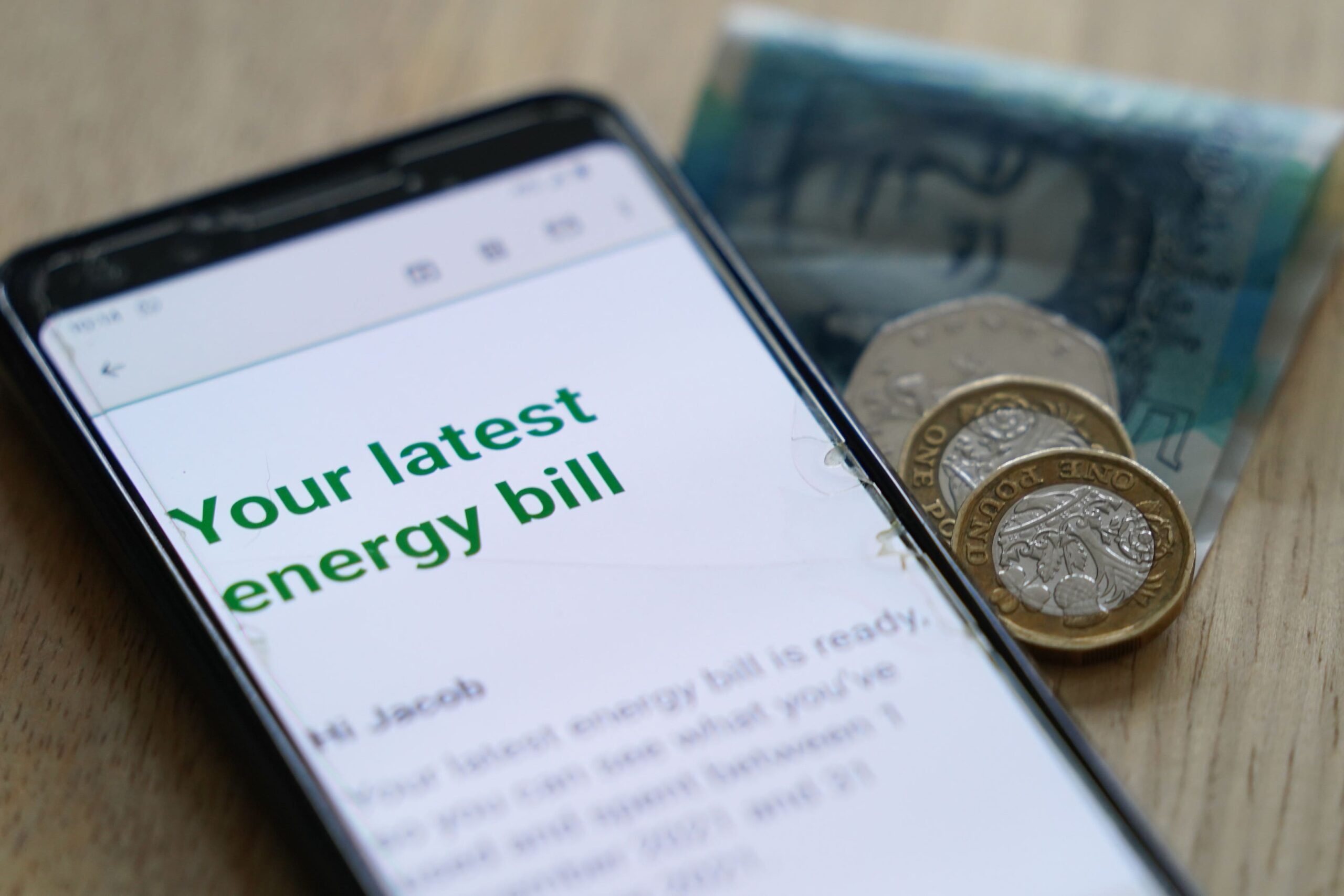
Households will see the network charges on bills – which make up around a fifth of average annual energy costs – surge by £108 by 2031 to cover the cost of the extra investment, up from the £104 rise estimated in its draft verdict in July.
The regulator said this will include £48 for gas networks and £60 for the electricity grid.
It comes after the latest energy price cap change was announced, which will see energy bills rise unexpectedly by 0.2 per cent from January after increases to government policy costs offset falling wholesale gas prices.
But the regulator insisted that bills would be even higher without the approved investment, while the funding will allow the UK to make savings through boosting the nation’s power generation and lowering reliance on imported gas.
It added that with savings of around £80 taken into account, the net increase to bills is expected to be around £30, or £3 a month, with costs expected to fall in future years as more renewable electricity generation will lower wholesale power costs.
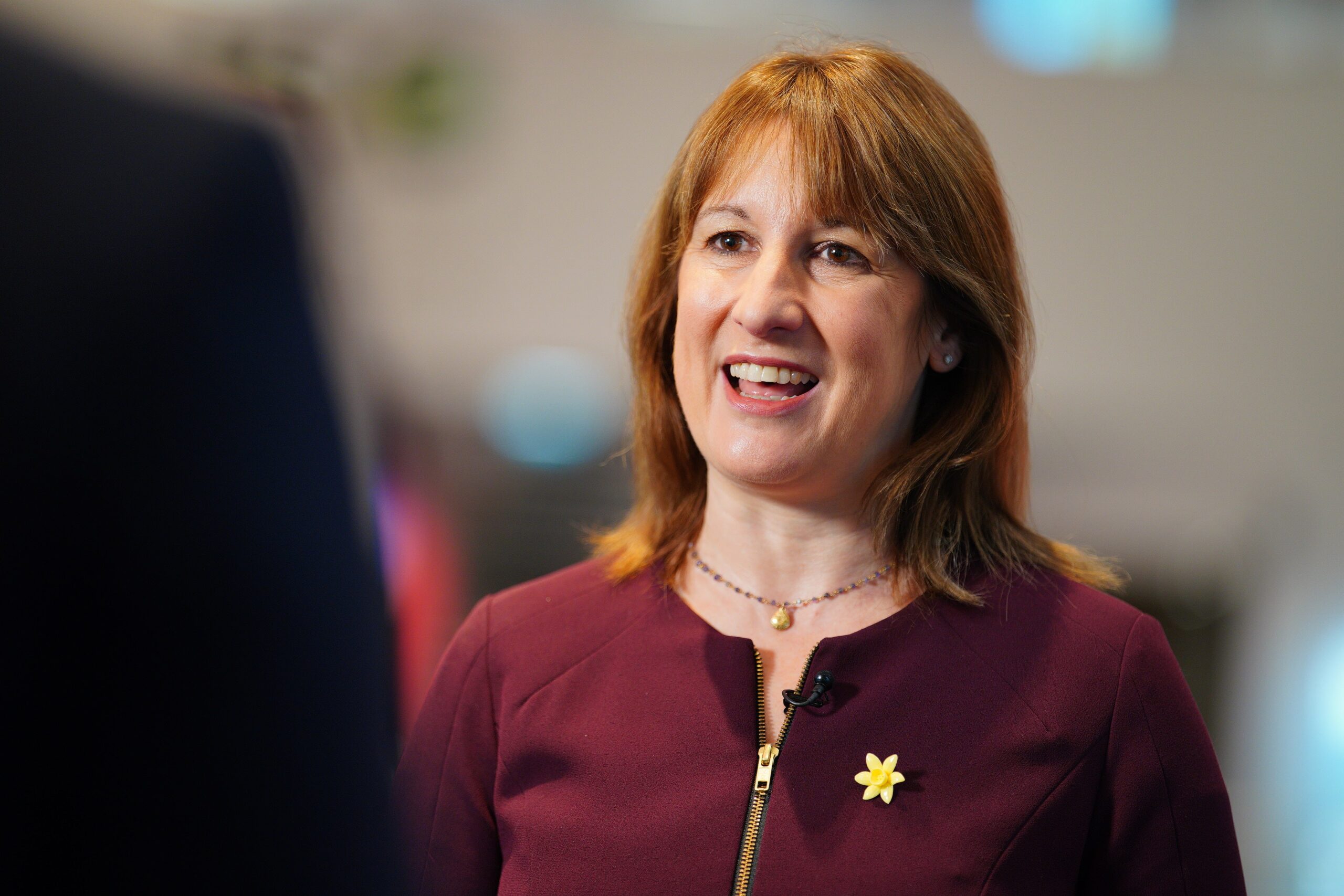
Jonathan Brearley, chief executive of Ofgem, said: “The investment will support the transition to new forms of energy and support new industrial customers to help drive economic growth and insulate us from volatile gas prices.
“But this is not investment at any price. Every pound must deliver value for consumers.
“Ofgem will hold network companies accountable for delivering on time and on budget, and we make no apologies for the efficiency challenge we’re setting as the industry scales up investment.”
The Department for Energy Security and Net Zero (Desnz) said spending to improve energy networks was “essential” and stressed the government was offering support with costs by cutting £150 off power bills next April.
Chancellor Rachel Reeves announced in last week’s Budget that she would do this by scrapping the Energy Company Obligation (Eco) scheme introduced by the Tories in government.
A Desnz spokesperson said: “Upgrading our gas and electricity networks after years of underinvestment is essential to keep the lights on and ensure energy security for our country.
“Without these plans, which were first set out under the previous government, costs would spiral and our security would be compromised.
“The only way to bring down bills for good and get off the fossil fuel rollercoaster is with this Government’s mission to deliver clean homegrown (energy) that we control.”
