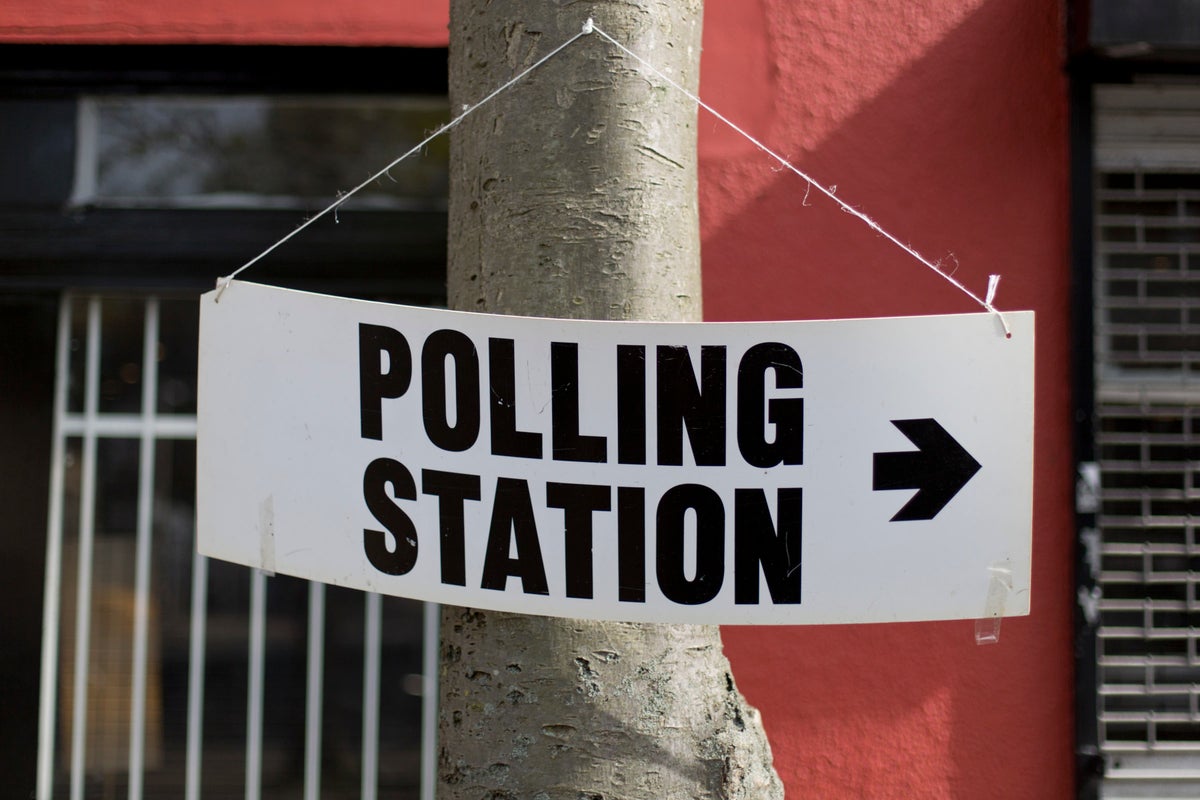
Downing Street has rejected suggestions Sir Keir Starmer is acting like a “dictator” amid a row over the Government’s move to postpone four mayoral elections.
Number 10 said plans to push the votes – originally due next year – back to 2028 would allow more time for reorganisation of local authorities under its devolution agenda.
Critics have accused Labour of “cancelling democracy” as it faces the prospect of electoral defeat amid dismal poll ratings and speculation about a subsequent challenge to Sir Keir’s leadership.
Downing Street repeatedly declined to apologise for the changes on Thursday, insisting they are about ensuring devolution in “a pragmatic and structured way”.
A No 10 spokesman said: “It’s important that these mayors have the structures and the organisations in order to be able to hit the ground running from day one.”
Earlier, Local Government Secretary Steve Reed said ministers were “minded” to hold inaugural mayoral elections for Sussex and Brighton, Hampshire and the Solent, Norfolk and Suffolk, and Greater Essex in 2028.
Former Labour local government minister Jim McMahon criticised the move, warning “we need to be better than this”, while Reform UK said “only dictators cancel elections” and the Tories branded it a “scandal”.
Asked whether the Prime Minister is acting like a dictator, the No 10 spokesman told reporters: “No, our plans for greater devolution will put power into the hands of those who know their communities best.”
The move is “subject to statutory instruments, statutory consultations and working with local authorities”, he added.
Mr McMahon, who returned to the back benches after a reshuffle earlier this year, told the Commons earlier that the Government had “a moral and a legal obligation to honour its side of the bargain” with local leaders.
“I need to be blunt, as I usually am, we need to be better than this,” he said.
“Local leaders across the political spectrum worked in good faith. They put aside self-interest and differences, and they did everything asked of them to secure a better settlement for the people that they represent. They reasonably expected the Government to do the same.”
He added: “Following a statute process, all involved had a reasonable expectation that these elections would go ahead, and the Government knows that trust is hard won but is easily squandered.”
In her response, local government minister Miatta Fahnbulleh said: “Our judgment is that if we give ourselves some breathing room to do that and go through that process with those places with the time required, we will be better and stronger on the other side of this.”
The new mayoralties were announced in February under devolution plans, which also promised the replacement of two-tier district and county councils with one body.
Council elections in nine areas – East Sussex, West Sussex, Essex, Thurrock, Hampshire, the Isle of Wight, Norfolk, Suffolk and Surrey – were already postponed from this year to 2026 amid the reorganisation of local government in England.
Reform leader Nigel Farage, who is the MP for Clacton in Essex, branded town hall reorganisation a “dog’s dinner” and told the Commons “the public don’t understand what’s going on”.
He has called a Westminster press conference in response on Thursday afternoon.
Conservative leader Kemi Badenoch, the North West Essex MP, wrote on X: “This is the second time Labour have cancelled elections.
“Democracy isn’t optional. We will oppose this every step of the way.”
The leader of Essex County Council said there was “huge disappointment” at the postponement of the mayoral election.
Conservative councillor Kevin Bentley said: “Devolution to Essex was a historic moment and ministers have assured me this will be delivered.
“There is, however, huge disappointment at this announcement, with the main parties having selected candidates and campaigning already under way.”
Meanwhile, the trade body for local electoral staff warned that dozens of councils had already begun preparing in the four areas involved and suggested authorities should be reimbursed for costs already incurred.
Chief executive of the Association of Electoral Administrators, Peter Stanyon, said: “It’s important to flag that time, effort and money has already being spent on actively preparing for these elections.
“Guidance on reimbursement of costs already incurred will be welcomed by every local authority involved.”
He called for “clarity” over the approach to “all scheduled elections for the remainder” of the devolution and reorganisation programme.
Liberal Democrat local government spokeswoman Zoe Franklin said: “Democracy delayed is democracy denied.
“We are fighting to end this blatant stitch-up between Labour and the Conservatives over local elections.”
The County Councils Network said the delay was “bitterly disappointing” and vowed to seek “immediate assurances” from Government about how the devolution process will be taken forward.
“County councils have pulled out all the stops to ensure new county combined authorities were up and running before next May, investing significant time and resources to do so,” the group said.
“While the CCN welcome commitments to investment funds and capacity funding to progress strategic authorities’ arrangements in these areas, this unexpected development will pose questions over how these devolution arrangements will be taken forward, while injecting uncertainty for other county areas who rightly saw reorganisation as route map to greater devolution.”
