The Novichok poisonings in Salisbury unexpectedly propelled a group of strangers into the national spotlight.
Today, a public inquiry will publish its findings into the death of a woman poisoned by a Russian nerve agent in July 2018.
A former spy, a Wiltshire Police officer, and a Russian hit squad all became involved in the devastating events that took place.
Among those involved are:
Dawn Sturgess
Dawn Sturgess, 44, who died, was remembered by those closest to her as a compassionate, loving and kind mother-of-three, who cared for others even when her own life was challenging.
She lived at John Baker House, supported accommodation for people experiencing homelessness, and had long struggled with alcohol dependency.
But in the months leading up to her death, those who loved her say she was “settled and happy”, optimistic about the future and making plans to regain independence.
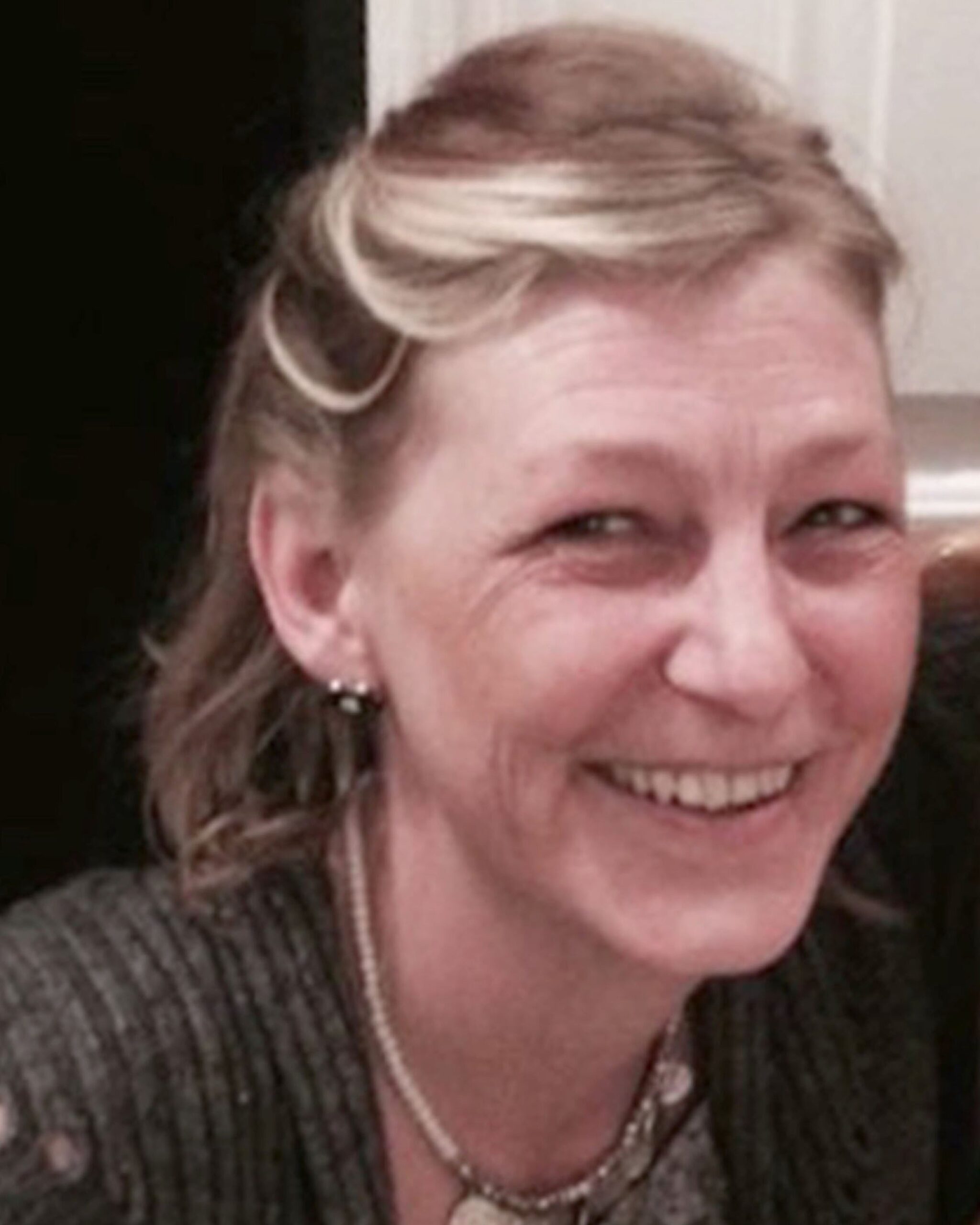
Her partner, Charlie Rowley, described her as “a very caring, lovely lady – a wonderful woman”.
He remembered her as a devoted mother who “had so much time for her daughter and her two boys”, adding: “She had a big heart and she would help anyone she could.”
Ms Sturgess’s mother, Caroline Sturgess, spoke at the public inquiry, saying her daughter was an “intelligent, funny, extremely selfless and very kind person”.
Charlie Rowley
Charlie Rowley, 52, has suffered life-long health issues after being poisoned with Novichok, causing him to spend more than two months in hospital recovering from his ordeal.
He has developed problems with his eyesight after suffering nerve damage to his right eye, and problems with the muscles in his legs, causing a lack of balance, and he struggles to walk short distances.
Mr Rowley met Ms Sturgess at a charity supporting the homeless in Salisbury, and they had been a couple for 16 months.
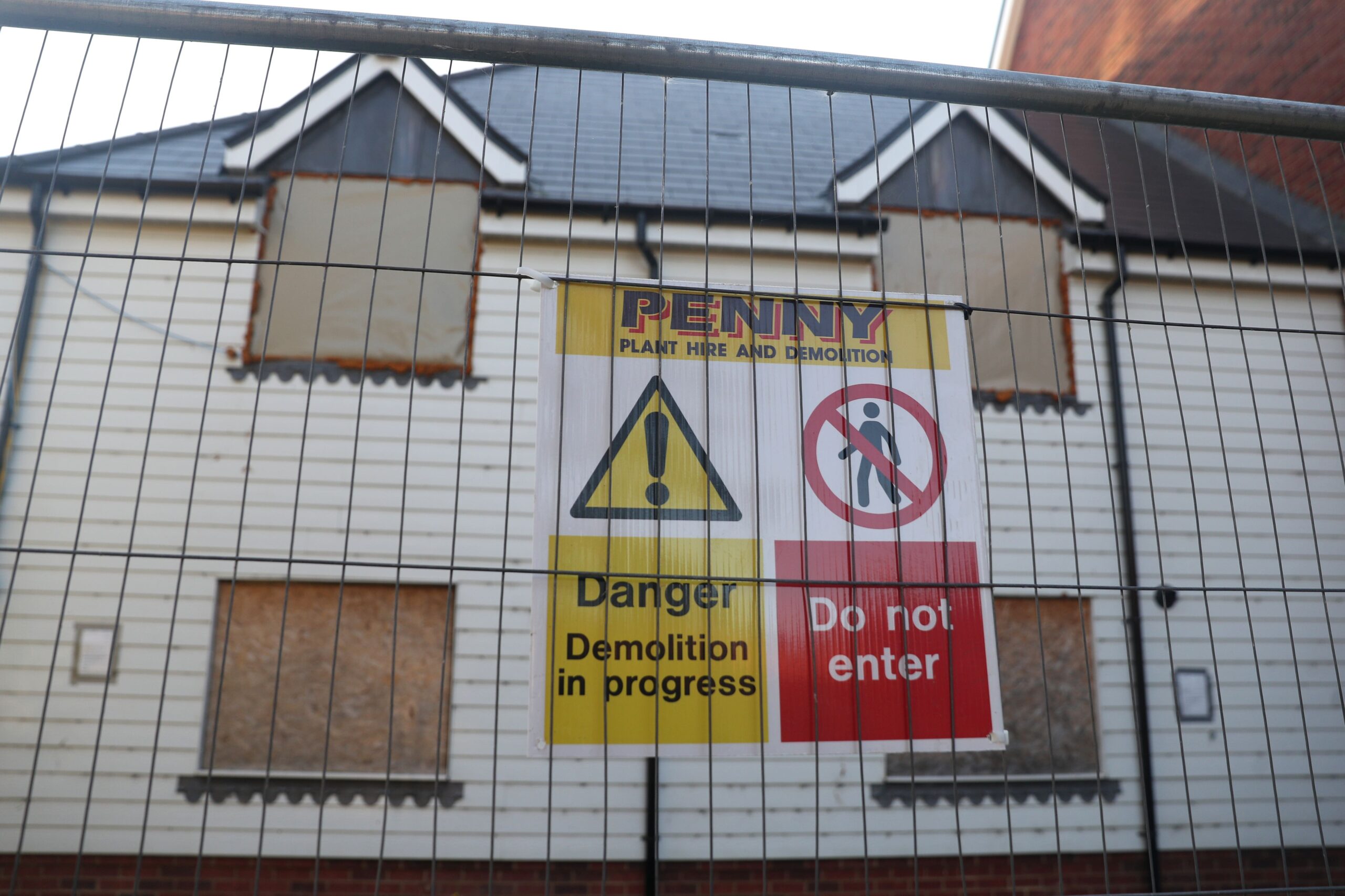
He regularly used heroin, was prescribed methadone and also took crack cocaine. A former girlfriend died from a drugs overdose.
The father-of-one’s habit of regularly searching through bins played a crucial role in the events that unfolded, as he found a sealed perfume gift box containing Novichok which he unwittingly gave to his partner.
In his statement to the inquiry written in August last year, Mr Rowley said he had very little memory of the events leading up to the poisonings.
“My memory was also bad because of my daily use of large amounts of alcohol, methadone and/or other drugs. I currently do not take any drugs,” he said.
Sergei Skripal
Sergei Skripal, 74, was born in Russia and was a paratrooper and later a high-ranking member of the GRU, the Russian military intelligence service.
He was convicted in Russia on espionage charges in 2004 after allegedly spying for Britain, and jailed for 13 years.
In 2010 he was given a presidential pardon and came to the UK on a prisoner exchange and settled in Salisbury, Wiltshire.
During the inquiry, Michael Mansfield KC, representing the Sturgess family, described Mr Skripal as “an important asset, with high-level knowledge and intelligence”.
President Vladimir Putin had personally referred to the former colonel as “a traitor who had left the motherland”.
Yulia Skripal
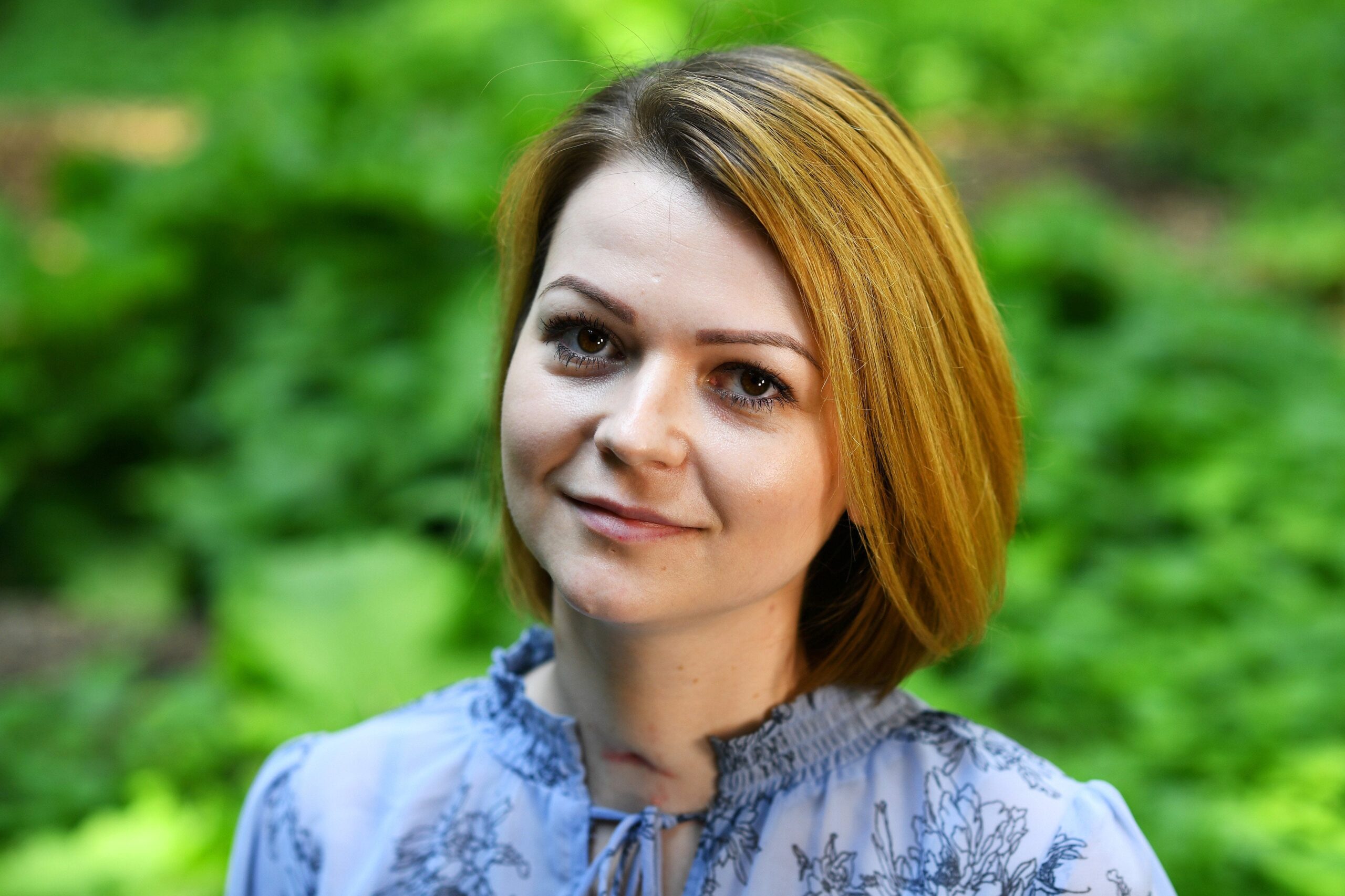
Yulia Skripal’s life was thrust into the international spotlight while she was visiting her father, Sergei.
Ms Skripal, 41, had only arrived in the UK on a two-month holiday from Moscow the day before they were poisoned.
She had been born in Russia but had spent part of her childhood living in Spain.
After graduating from university, she spent time as a PA before working for firms such as Nike and Pepsi.
Between 2010 and 2015 she lived in the UK with her parents and brother after her father’s release from prison, but returned to Russia.
Her family has been marked by tragedy. Her mother, Ludmilla, died from cancer in 2012 and her older brother, Alexander, died of liver failure in 2017.
In a statement to the inquest, Ms Skripal, who speaks English, Spanish and Russian, said: “I can’t imagine why the Russian government would do this, to go and kill him, a person who has been living here for eight years and who has no connection to Russia any more.”
Detective Sergeant Nick Bailey
Detective Sergeant Nick Bailey’s life changed forever when he became the first person to enter the home of Sergei Skripal after he had collapsed with Novichok poisoning.
The nerve agent had been smeared on the door handle of the former spy’s home in Salisbury, Wiltshire, by agents from the Russian intelligence services.
Within hours of leaving Mr Skripal’s home, the officer fell seriously ill.
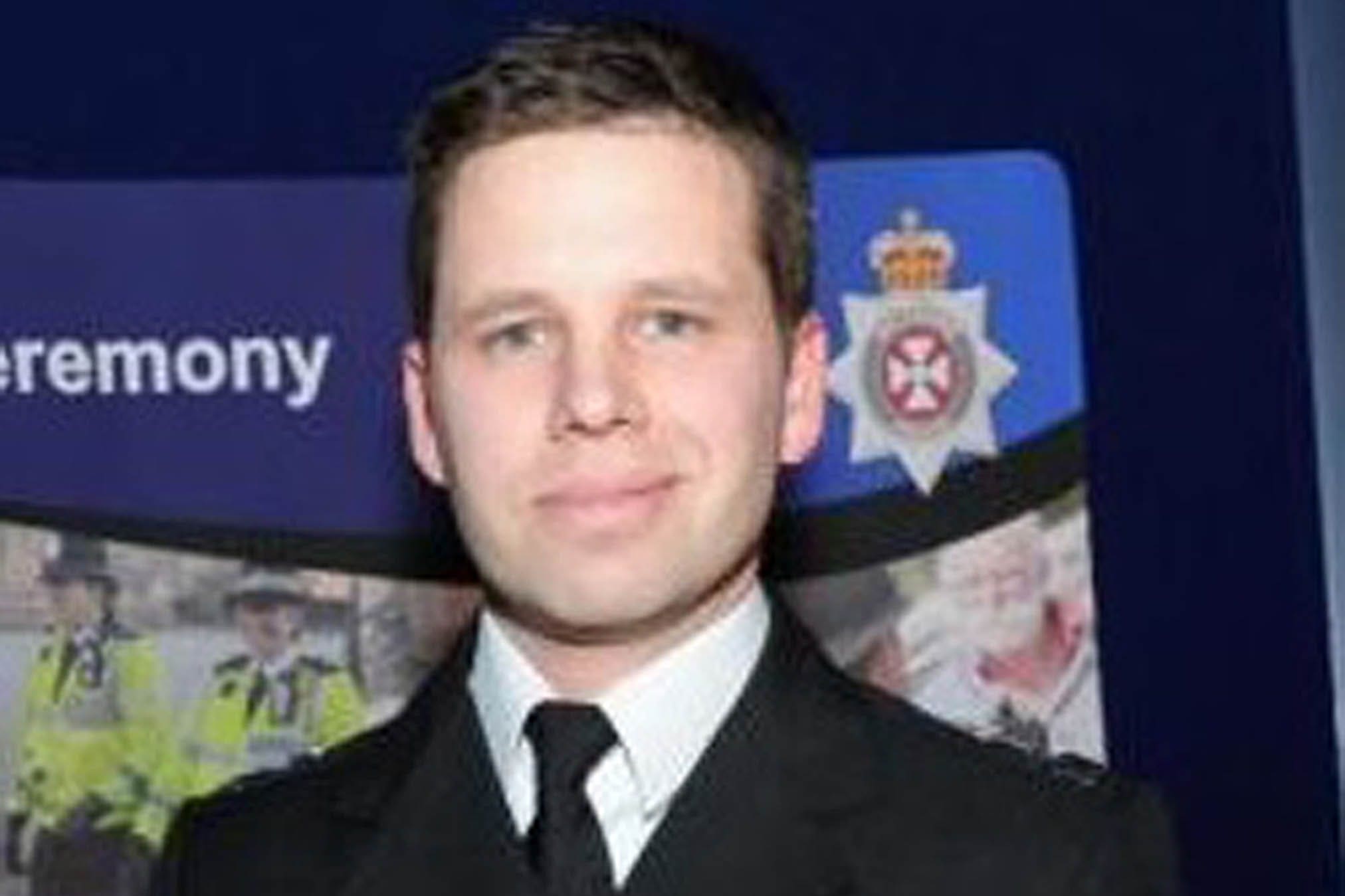
He spent two weeks in intensive care, during which time his wife and two daughters feared he would die.
Mr Bailey left Wiltshire Police after 18 years in October 2020, after three attempts to return to work.
He said he “couldn’t deal with being in a police environment” after trying to return in September 2018, January 2019 and June 2020.
The Russian hit squad
The attack on the Skripals was believed to have been carried out by members of the GRU.
Alexander Petrov, 46, and Ruslan Boshirov, 47, who travelled to Salisbury together to carry out the attack, were aided by a third agent, Sergey Fedotov, an alias for GRU officer Denis Sergeev.
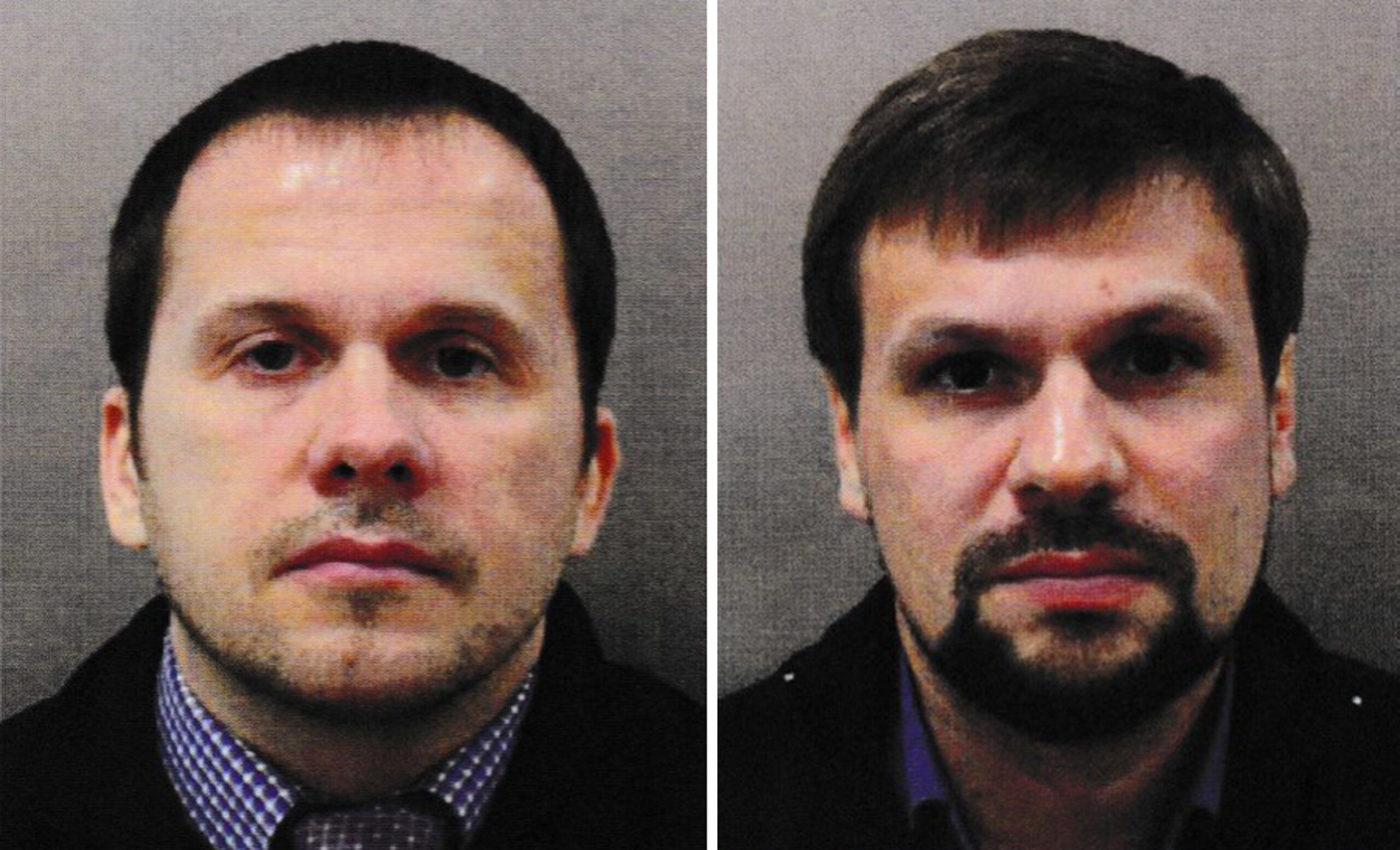
Petrov’s real identity was believed to be Alexander Mishkin, who was a doctor for the GRU. Boshirov’s was believed to be Anatoliy Vladimirovich Chepiga.
British counter terrorism police believe they were members of the GRU unit 29155 which was “frequently reported to have been involved in operations across the world”.
