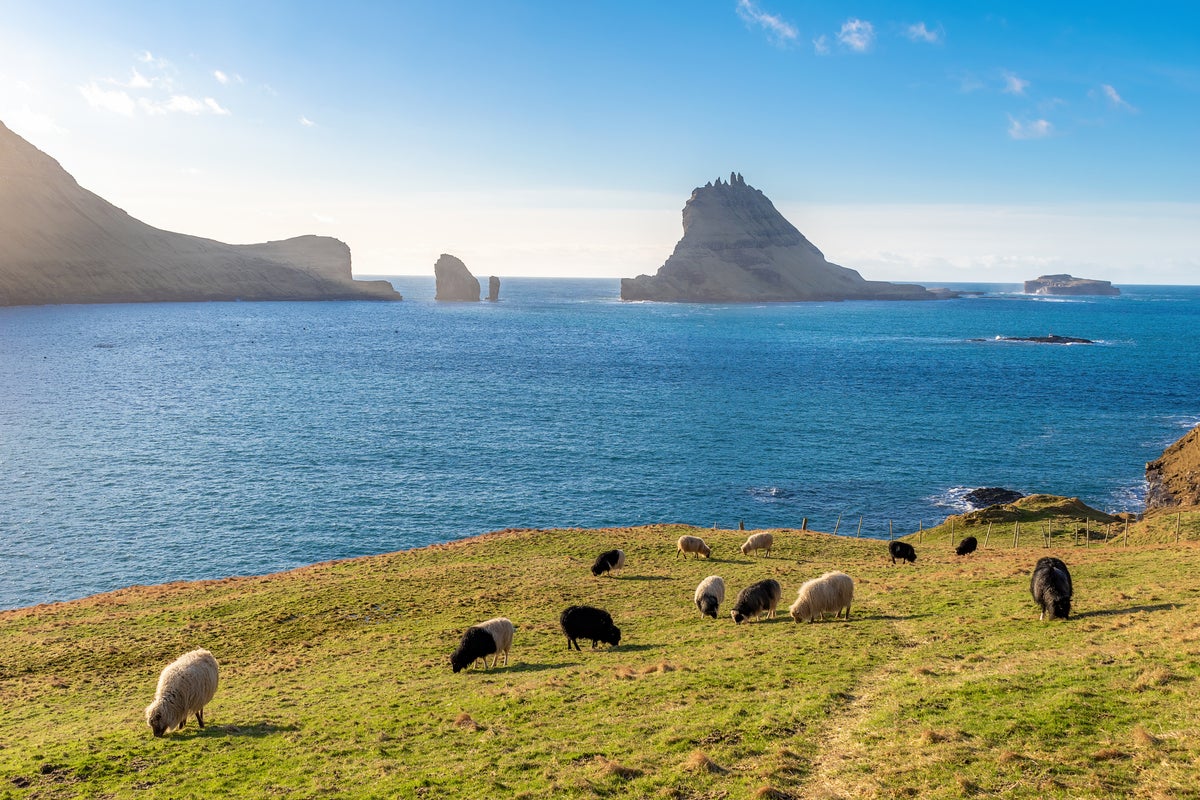
Russia has warned it is considering retaliatory measures against the Faroe Islands, following a decision by the Faroese parliament to empower its government to ban Russian fishing companies from its waters.
The new legislation, confirmed by the Faroese public broadcaster on Wednesday, specifically authorises the foreign minister to prohibit two major Russian firms, Norebo and Murman Seafood, from operating in Faroese waters or docking in its harbours.
This move mirrors previous actions taken by the European Union and Norway, which have accused the two companies of engaging in state-backed espionage activities within European waters. Both Norebo and Murman Seafood have consistently denied these allegations, branding them as false.
Russian Foreign Ministry spokeswoman Maria Zakharova said on Thursday that the self-governing archipelago’s “new unfriendly actions” called into question the commitment of the Faroe Islands to a fisheries agreement signed with the Soviet Union in 1977.
The agreement, now in force with Russia, covers fishing quotas. The Faroe Islands export fish to Russia and, in return for letting Russian ships fish in its waters, have access to cod stocks in the Barents Sea.
The Faroese actions had forced “the Russian side to consider introducing appropriate retaliatory measures,” Zakharova told reporters.
Despite tightening access to its ports in 2023, Russian fishing boats operating under the long-standing bilateral agreement have still been allowed to dock in Faroese ports and land their catches inside Faroese waters.
The news comes as The UK and Norway signed a defence pact that will see their navies operate a combined fleet of warships to hunt Russian submarines.
The deal, which the Government said was the “first of its kind”, is aimed at protecting critical undersea cables, which the UK and its Nato allies believe are under increasing threat from Moscow.
There has been a 30% rise in Russian vessels sighted in UK waters in the past two years, according to the Ministry of Defence (MoD).
The so-called Lunna House agreement – named after the Shetland Isles base used by the Norwegian resistance during the Second World War – was signed by Defence Secretary John Healey and his Norwegian counterpart Tore Sandvik in Downing Street on Thursday morning.
