Netflix’s exhaustive new docuseries paints a portrait of a pathetic, deviant crook. But is anyone surprised?
Until I had the displeasure of sitting through four hours of Sean Combs: The Reckoning, I had managed to avoid watching the footage of the rapper, once known as Puff Daddy, then P Diddy, then “Brother Love”, beating his girlfriend Cassie Ventura in a hotel hallway and dragging her across the floor.
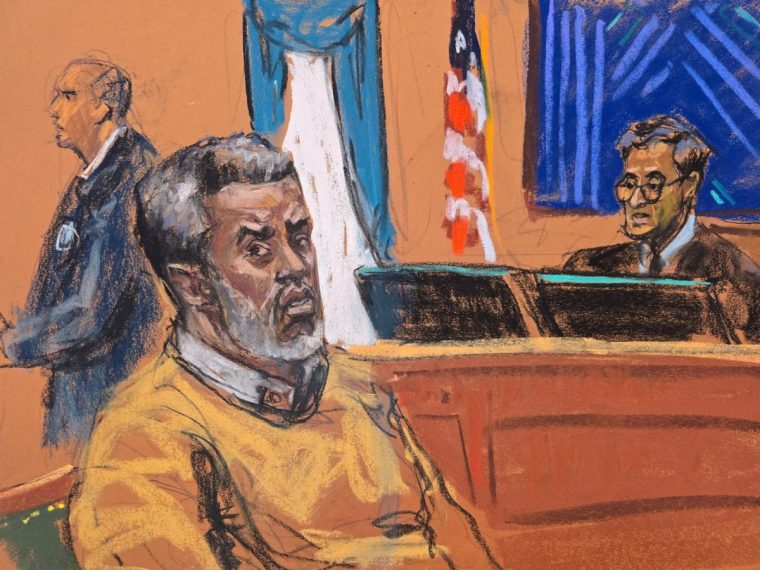
That video, recorded on surveillance cameras in 2016 and released to the world last year, marked a turning point in the fate of the “rapper” and businessman, who in October began his 50-month imprisonment for two counts of transportation for prostitution, amid hundreds of accusations of sexual violence, still pending, and acquittal on charges of racketeering.
The footage is violent, horrible, weird and especially undignified given the monster is waddling around in only socks, with a towel wrapped around his waist. Yet by the time this exhaustive documentary actually reaches it, I had been so saturated with the crimes and abuses and violence of this man that this attack on a woman did not even have the power to horrify me.
By this point in the four-part series, which charts the rise of the Brooklyn-born schoolboy rapper to all-powerful mogul, I had already heard about him slapping his mother in the street, pounding another girlfriend into the ground, bringing a baseball bat to meetings with longtime business partners to threaten them and inviting colleagues into his office to catch him receiving blow jobs at his desk.
I had yet to hear in detail about the infamous “freak-offs” – the multi-day drug-fuelled sex sessions between him, Ventura and sex workers, how he would collect the semen from male escorts to watch her play with it, the kidnapping of his own trusted colleagues, the GHB-laced baby oil, the possible rape of a female girlband member who has no memory and still doesn’t want confirmation, how male musicians he worked with would wake up drugged, sore and confused.
But after this relentless account of a lifetime of bullying, coercion and grooming – and a lengthy detour into conspiracies about his involvement in the murder of Tupac Shakur and how he ushered in the death of his own protégé Biggie Smalls – I hardly needed much more convincing that he is a nasty piece of work.
It is grim stuff and the documentary is grim to endure, and no matter how well-made or how generous its contributors – it seems now that he’s behind bars, old associates are lining up to speak the truth they spent decades too scared to voice – I suspect few except those with a very special interest in the case or the man will watch it. There is no morbid, voyeuristic appeal, it is not the first time his victims have spoken and there are no new or game-changing revelations.
Yet the argument it does put forward is that unlike so many other monstrous artists who believed themselves invincible, and who leveraged their power for bad, Sean Combs is not an artist at all. The portrait that develops here is of a hype man, a marketeer, a hanger-on who somehow hit the jackpot as someone who could identify talent and position himself close enough to it to profit.
At his label Bad Boy Records, he inserted himself into his artists’ music videos, failed to sufficiently pay them and made sure they were contractually vulnerable to him. He was bitterly jealous of other rappers’ superior gifts and successes – and of the friendship between Shakur and Biggie Smalls – yet was pretty much devoid of any musical talent of his own.
I suspect few of us could name a P Diddy song off the top of our heads, except perhaps the mawkish Police-sampling Biggie tribute “I’ll Be Watching You” (which old contemporaries here claim was a shameless bid to capitalise on his friend’s death for his own self-promotion, something he learned years earlier when eight people died in a crush at a basketball game he had over-hyped. In his own words he said that how he became famous “was through a tragedy”).
Your next read
Yet by the mid-2000s, he had manoeuvred himself into the centre of American culture. Music, fashion, reality TV, even vodka, his cultural influence was inescapable and much of it rested on the glorification of money, sex, glamour, beauty and excess – the white parties on the yacht, a lifestyle that so many sought to emulate, that proximity to him could promise.
That influence, this documentary argues, came from his ability to manipulate and bully, to convince other people of his God-like power to make or break careers, to lure other people, especially young black musicians, into what many now describe as the “Sean Combs cult”.
The only really astonishing thing about Sean Combs: The Reckoning is that it took decades for people to recognise that he was a cult leader in the image of so many others: a sexually deviant, coercive crook.
‘Sean Combs: The Reckoning’ is streaming on Netflix
