Canada has become the first non-European Union nation to join a significant EU defense fund, a huge move announced by Prime Minister Mark Carney’s office on Monday, signaling a strategic shift to diversify its military procurement away from the United States.
This landmark agreement grants Canadian defence companies access to the €150bn ($170bn) Security Action for Europe (SAFE) loan program.
This initiative will enable Canadian firms to secure affordable, EU-backed loans for military equipment acquisition.
Prime Minister Carney stated that “Canada’s participation in SAFE will fill key capability gaps, expand markets for Canadian suppliers, and attract European defense investment into Canada.”
He has consistently expressed his intention to diversify Canada’s procurement and strengthen its relationship with the EU, previously vowing to reduce the nation’s reliance on U.S. military capital spending, which historically accounted for over 70 cents of every dollar.
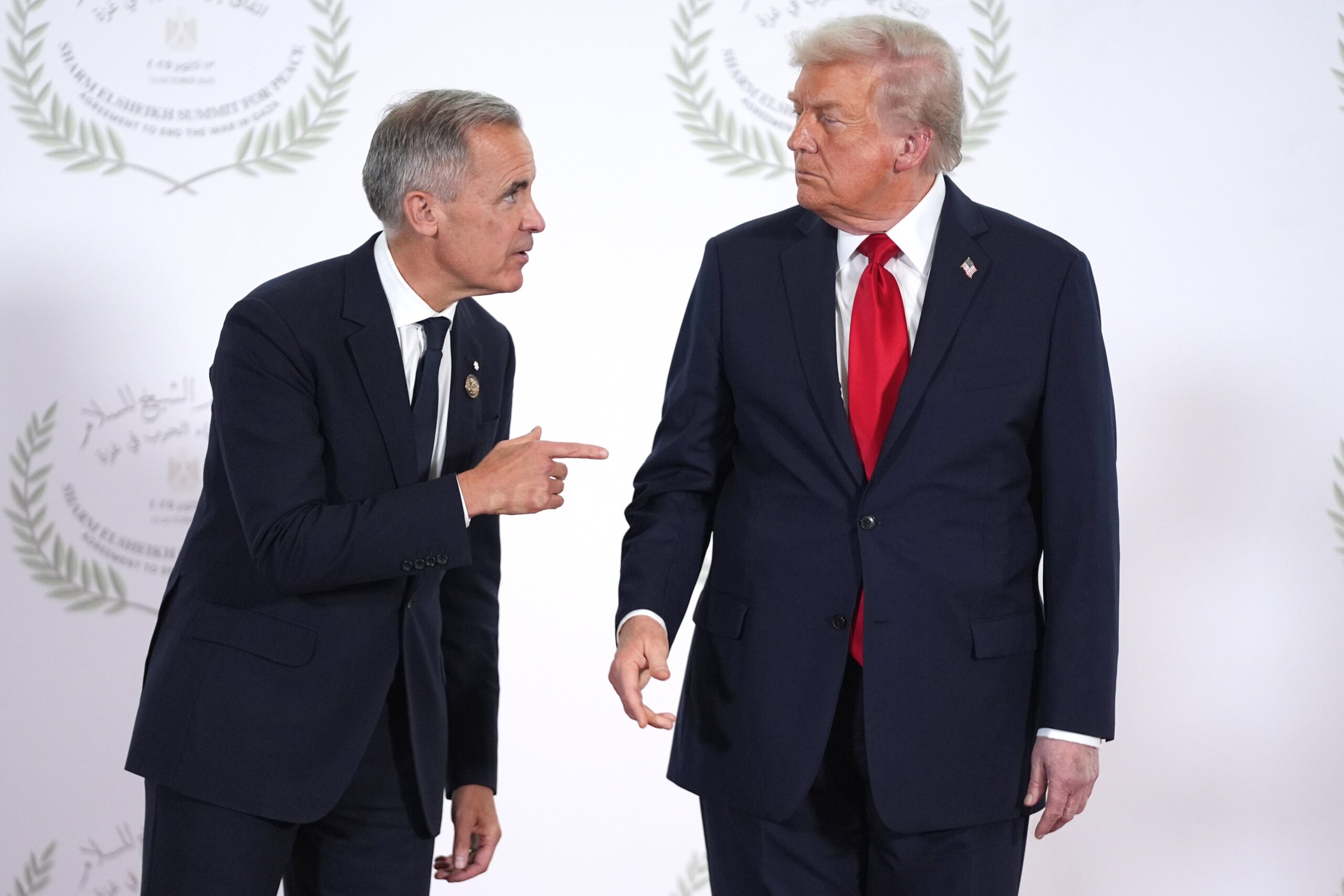
This strategic pivot follows a period of heightened tension with the United States under U.S. President Donald Trump, whose actions, including initiating a trade war and suggesting Canada become the 51st U.S. state, reportedly infuriated Canadians. This environment helped propel Carney to power on a platform promising to confront Trump’s increased aggression.
In line with this strategy, Carney’s government is also reviewing the purchase of US F-35 fighter jets, exploring alternative options.
The potential for increased domestic production in Canada is a key consideration, with Sweden’s Saab having proposed that assembly and maintenance of its Gripen fighter jet could take place within Canada.
The nation has also committed to meeting NATO’s military spending guidelines by early next year.
In contrast, negotiations for the United Kingdom to join the SAFE fund concluded without agreement last week. Talks reportedly foundered over financial contributions, with Europe seeking a higher payment for Britain’s participation than the UK was prepared to offer.
