Andrew Mountbatten-Windsor is unlikely to receive any compensation for leaving the Royal Lodge early due to needed repairs.
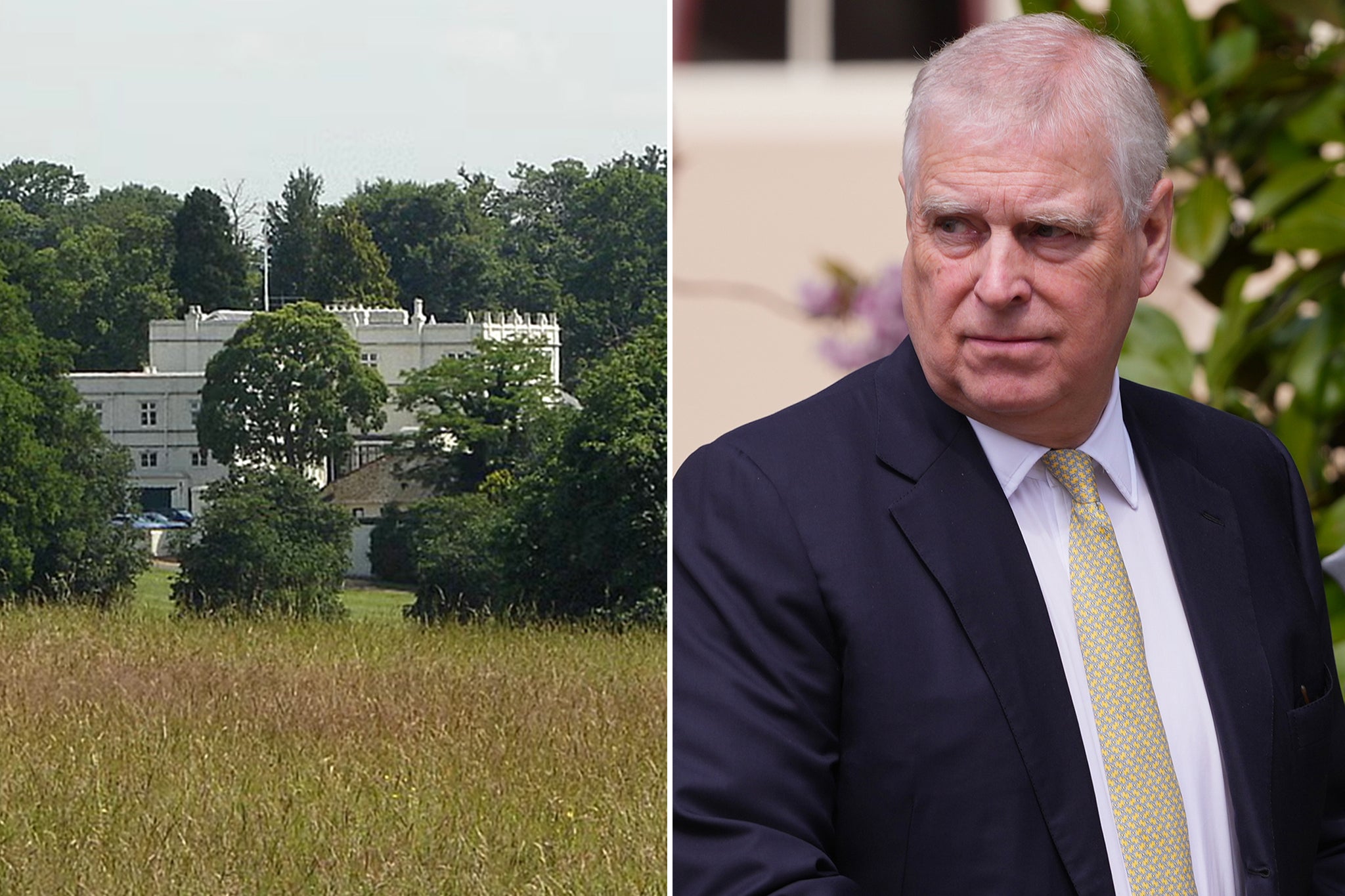
Andrew is set move out of the residence on the Windsor Estate after he was formally stripped of all his titles over his ties to late paedophile financier Jeffrey Epstein.
In his 2003 lease, it was agreed he would be paid a “compensatory sum” if he were to move out of the 30-room mansion before 2078.
Andrew gave the minimum 12 month’s notice that he would surrender the property on October 30, and would have been entitled to £488,342.21 for ending his tenancy on October 30 2026.
But the Crown Estate has told MPs on the Public Accounts Committee that the King’s brother will probably not receive compensation due to repairs.
It said this was because an “initial assessment” of the 30-room mansion meant he “will not be owed any compensation for early surrender of the lease… once dilapidations are taken into account.”
The Crown Estate said “before this position can be fully validated however, a full and thorough assessment must be undertaken post-occupation by an expert in dilapidation”.
The royal family faced furore after it was revealed the King’s brother had been living in the 30-room mansion on a ‘peppercorn rent’ since 2003, although he paid £1m for the lease and a further £7.5m for refurbishments.
Meanwhile, it has been revealed that the Prince and Princess of Wales, who moved into their new home Forest Lodge with their children in the October half term, pay “open market rent” on their 20-year-lease on the property.
The details were shared in a letter from the Crown Estate to Public Accounts Committee last week, responding to questions about the lease arrangements for Royal Lodge.
The committee said it will now launch an inquiry into the Crown Estate’s property leases to the royal family as it published the correspondence on Tuesday.
Committee chairman Sir Geoffrey Clifton-Brown said: “We would like to thank The Crown Estate Commissioners and HM Treasury for their considered responses to our questions.
“In publishing these responses, the Public Accounts Committee fulfils one of its primary purposes – to aid transparency in public-interest information, as part of its overall mission to secure value for money for the taxpayer.
“Having reflected on what we have received, the information provided clearly forms the beginnings of a basis for an inquiry. The National Audit Office supports the scrutiny function of this Committee.
“We now await the conclusions the NAO will draw from this information, and plan to hold an inquiry based on the resulting evidence base in the new year.”
More follows on this story…
