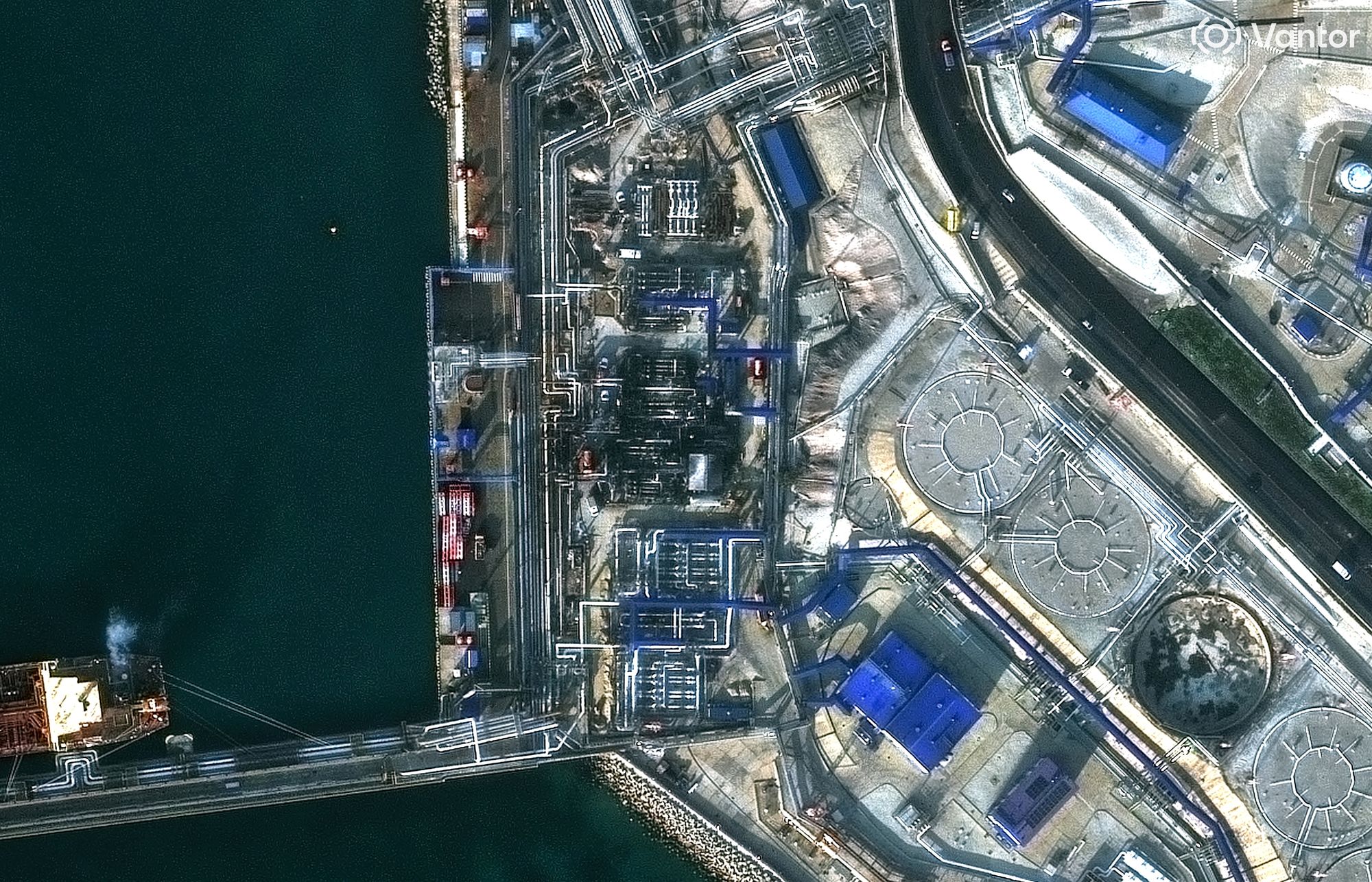
A Russian drone swarm struck homes in Kyiv in the early hours of today, forcing residents to flee apartment buildings and injuring four.
The latest attack on the Ukrainian capital came at a key moment in talks to end the war, with Volodymyr Zelensky welcoming amendments to Donald Trump’s 28-point peace plan following meetings in Geneva.
Trump had also hailed the progress made in those talks, writing on Truth Social that “something good just may be happening”.
But hours later the Kremlin sank any hope that the framework of a peace deal could be agreed upon by Thanksgiving, with a Russian official saying Europe’s proposed amendments were not constructive and did not work for Moscow.
In a sign that both sides remain far apart, the Kremlin said that Europe’s demands for Ukraine would not be accepted by Vladimir Putin but said that an earlier proposal by the US seemed “quite acceptable to us”.
The US president had given Ukraine until Thanksgiving, this Thursday, to agree to a plan – but US officials later indicated that deadline could change.
Three killed and 10 injured in Ukrainian attack on Russia’s Rostov region
Three people were killed and 10 injured in a Ukrainian attack on Russia’s Rostov region, governor Yuri Slyusar said this morning.
The Russian defence ministry said that 249 Ukrainian drones were downed over Russian regions overnight.
At least six people were injured in Russia’s Krasnodar region as a result of a drone attack, governor Veniamin Kondratyev said.
Peace deal or not, this must be Europe’s next brave move to counter Russian aggression
The first move is immediate Nato membership for Ukraine, for Georgia and for Bosnia-Herzegovina.
But a non-Nato, Nato-style alliance of the West would be a powerful entity that would give Putin pause for thought if it acted together and with the sort of confidence the Kremlin has shown on the world stage.
From Vladimir Putin down, Russians believe in their deepest core that “the West” is their enemy.
World affairs editor Sam Kiley says there is a powerful alternative:
Who are the key players in Ukraine-Russia peace talks?
President Donald Trump has claimed that “big progress” is being made in negotiations aimed at ending the war in Ukraine.
It includes respect for Ukraine’s territorial integrity, freedom to advance its Nato ambitions and EU membership aspirations and maintain a large military to deter the threat of future Russian aggression.
Several countries and high-profile individuals are involved in the discussions, which have resulted in public disagreements.
The Independent looks at some of the key characters below:
Ukrainian officials make significant changes to US peace plan
Ukrainian officials have made significant amendments to a US peace plan that was previously criticised as being too close to Moscow’s demands, people aware of the negotiations in Geneva yesterday said.
Volodymyr Zelensky’s representatives removed some of Russia’s maximalist demands from what was a 28-point plan, officials were quoted by the Guardian as saying.
The negotiations were led by the US secretary of state Marco Rubio and Zelensky’s chief of staff Andriy Yermak. They now include only 19 points, multiple media outlets reported.
Russia dashes Trump’s hope of quick peace deal in Ukraine after rejecting European proposal
Hopes of reaching a breakthrough in the war with Russia this week were quashed on Monday after a European proposal discussed by the United States and Ukraine was described by Moscow as “completely unconstructive”.
Washington and Kyiv said in a joint statement they had drafted a “refined peace framework” after talks in Geneva on Sunday. Although there were no specifics, the dialogue received a cautious welcome from some of Ukraine’s allies.
However, the Kremlin said that the European counterproposal to a 28-point US peace plan for Ukraine was not helpful.
“The European plan, at first glance … is completely unconstructive and does not work for us,” Kremlin foreign policy aide Yuri Ushakov told reporters in Moscow.
Zelensky says sensitive issues to be discussed with Trump
Volodymyr Zelensky has said a proposed peace plan now under discussion with the United States and Europe has incorporated “correct” points, but sensitive issues were to be discussed with US president Donald Trump.
“As of now, after (talks in) Geneva, there are fewer points, no longer 28, and many correct elements have been incorporated into this framework,” Zelensky said in his nightly video address.
“Our team has already reported today on the new draft of steps and this is truly the right approach. The sensitive issues, the most delicate points, I will discuss with President Trump,” he said.
Zelensky said the process of producing a final document would be difficult and Ukraine appreciated the assistance offered by other countries and the “constructive” US approach.
He said it was in Russia’s interests to disrupt the peace process and warned Ukrainians to pay particular attention to air raid alerts in the days and weeks to come “as we fully understand who we are dealing with”.
Zelensky said that if negotiations proceeded on resolving the war “there must be no missiles, no massive strikes on Ukraine and our people. This is something that those who are strong in the world can ensure.”
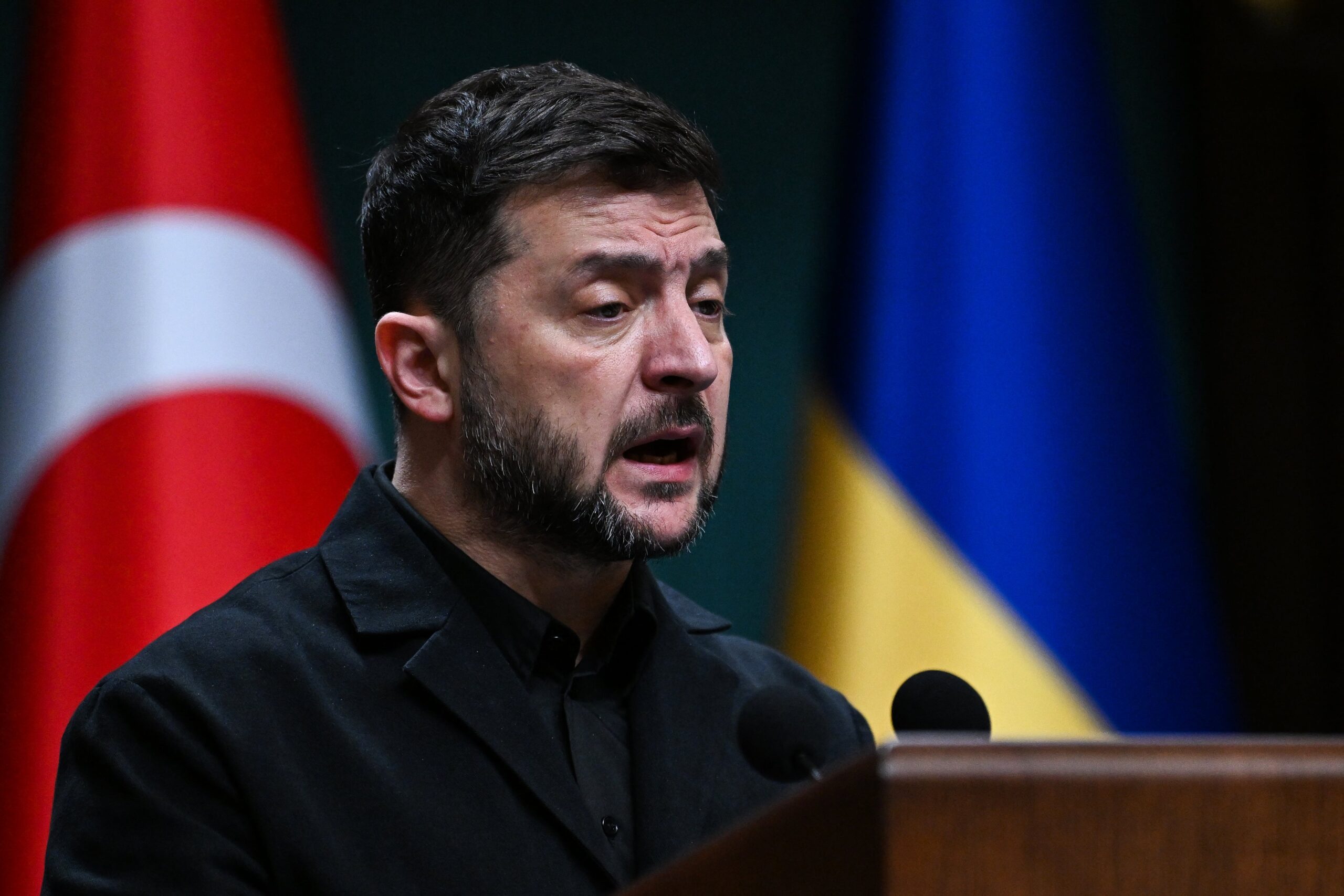
Watch: Zelensky says Ukraine peace deal has fewer than 28 points after Geneva talks
Zelensky wlecomes amendments from Europe on Trump’s peace plan
Ukrainian president Volodymyr Zelensky has reacted positively to the changes proposed by his European allies to the contentious 28-point peace plan being pushed by Donald Trump.
Washington’s 28-point plan presented last week caused alarm by heavily aligning with Moscow’s demands in the nearly four-year war caused by its invasion.
The plan pressed Ukraine to hand over some territory to Russia and reduce its army. It also sought Europe’s agreement that Ukraine will never be admitted into the Nato military alliance.
The proposed European changes included advocating for EU membership for Kyiv, saying Ukraine’s Nato membership is up to the alliance, and forcing no territorial concessions on Ukraine.
The European allies said any ceasefire should be along the current line of contact, there should be no cap on the Ukrainian military and the cost of reconstruction in war-ravaged Ukraine should be covered by Russia.
“Now the list of necessary steps to end the war can become doable…” Zelensky said on Telegram. “Many correct elements have been incorporated into this framework,” he said.
Some disagreements still on Trump’s peace plan, says White House
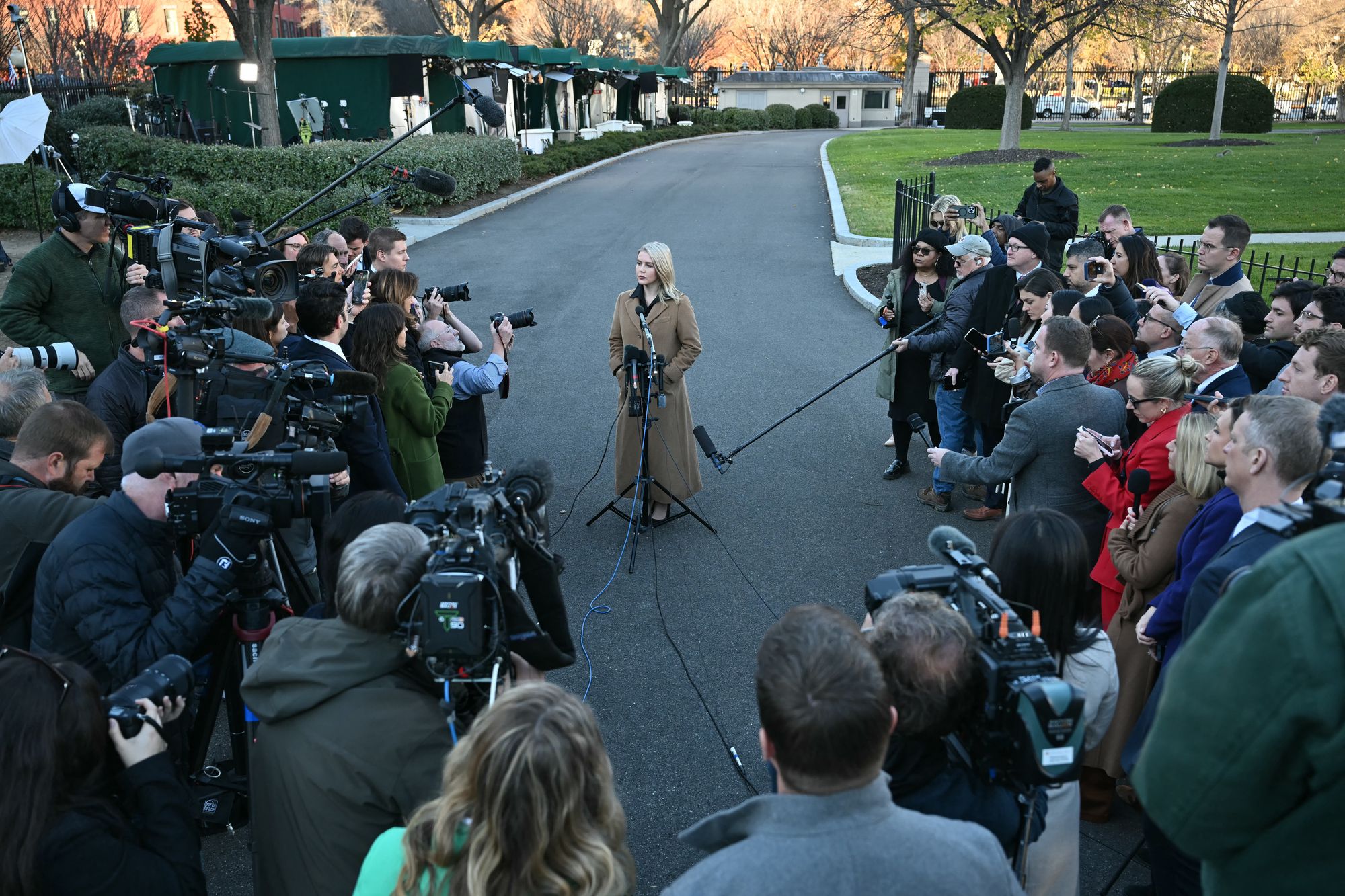
White House spokesperson Karoline Leavitt said there were a couple of points of disagreement remaining on the peace plan but said “we’re confident that we’ll be able to work through those”.
She said US president Donald Trump wanted a deal as quickly as possible, answering a question on whether he stands by his deadline for Ukraine on Thursday to reach a deal.
“There is a sense of urgency. The president wants to see this deal come together, and to see this war end,” she told reporters outside the White House yesterday.
Leavitt said Trump has been putting pressure on both leaders, however added that there is no meeting scheduled between the US president and Ukrainian president Volodymyr Zelensky this week.
Four injured as Ukrainian drones strike Russia’s Black Sea port of Novorossiysk
At least four people were injured in an overnight Ukrainian drone attack on Russia’s Black Sea port of Novorossiysk, officials said.
The Operational Headquarters in southern Krasnodar Region said on Telegram that five high-rise residences and two private homes had sustained damage in different districts of the city.
Falling debris from drones had triggered fires at two sites and emergency services were bringing them under control.
Earlier, fragments from downed drones had smashed windows and damaged buildings in Krasnodar, the region’s administrative centre. Drones also damaged buildings and injured one person in a village south of Novorossiysk.
Russian air defences had earlier shot down 10 drones en route to Moscow, the defence ministry said, a day after a Ukrainian strike on a power plant cut off heating in a town near the capital.