The US Justice Department is required to release its Jeffrey Epstein-related material within 30 days
Donald Trump says he has signed legislation that compels his administration to release files on the late sex offender Jeffrey Epstein.
“Democrats have used the ‘Epstein’ issue, which affects them far more than the Republican Party, in order to try and distract from our AMAZING Victories,” Trump said in a social media post as he announced he had signed the bill.
The Justice Department must release all files and communications related to Epstein within 30 days, as well as any information about the investigation into his death in a federal prison in 2019.
The bill allows for redactions about Epstein’s victims for ongoing federal investigations, but the department cannot withhold information due to “embarrassment, reputational harm, or political sensitivity.”
At a news conference, Attorney General Pam Bondi confirmed that the Justice Department will release its Epstein-related material within the time frame.
“We will continue to follow the law and encourage maximum transparency,” Bondi said.
Questions remain over full release
However the release of the files may not be comprehensive, because the legislation allows the Justice Department to hold back personal information about Epstein’s victims and material that would jeopardise an active investigation.
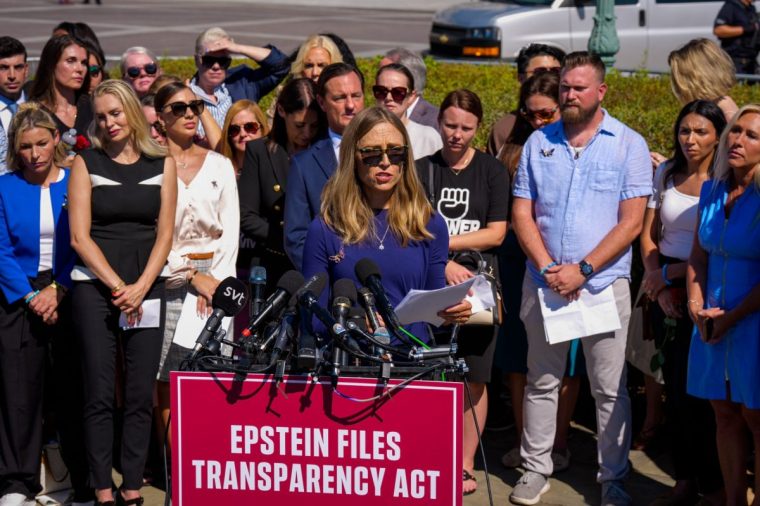
The bill allows personally identifiable information of victims to be withheld, along with child sexual abuse materials and information deemed by the administration to be classified for national defence or foreign policy.
Senate Democratic Leader Chuck Schumer said the bill “is a command for the president to be fully transparent, to come fully clean, and to provide full honesty to the American people.”
He added that Democrats were ready to push back if they perceive that the president is doing anything but adhering to “full transparency.”
Abuse survivor Maria Farmer said Trump’s signing was a “pivotal act” but she wanted the government to “make good on its promise of transparency and release the entirety of the files”.
“Not bits and pieces, not mass redactions but the complete truth, removing only child sexual abuse material and victim names and identifying information,” she said in a statement.
Large tranches of files have already been released, bringing attention to Epstein’s connections with global leaders including Trump, former President Bill Clinton and Andrew Mountbatten Windsor, who has already been stripped of his royal title as prince, and others.
There is plenty of public anticipation about what more the files could reveal, however there is also some concern that it could implicate innocent people who are named.
House Speaker Mike Johnson raised objections to the bill on those grounds this week, arguing that it could reveal unwanted information on victims as well as others who were in contact with investigators.
‘We need names’
Trump has been under pressure to release the files for months, with many of the calls coming from his own supporters, who believe there has been a cover-up of the details surrounding Epstein’s death and his ties to powerful figures.
On Tuesday the Epstein Transparency Act passed 427-1 in the House before the Senate voted unanimously to fast-track its passage in a surprise turn of events.
Trump has previously refused to release documents held by the Department of Justice (DoJ) relating to Jeffrey Epstein, and unsuccessfully attempted to block the bill’s passage.
The bill compels the release of essentially everything the Justice Department has collected over multiple federal investigations into Epstein, and his longtime confidante and girlfriend Ghislaine Maxwell, who is serving a 20-year prison sentence for luring teenage girls.
Those records total around 100,000 pages, according to a federal judge who has reviewed the case.
It will also compel the Justice Department to produce all its internal communications on Epstein and his associates and his 2019 death in a Manhattan jail cell as he awaited charges for sexually abusing and trafficking teenage girls.
Republican Marjorie Taylor Greene, a longtime Trump loyalist who has had a prominent split with the president over the bill, said she saw the administration’s compliance with the bill as its “real test.”
“Will the Department of Justice release the files, or will it all remain tied up in investigations?” she asked.
Thomas Massie, a Kentucky Republican who sponsored the bill, said he wants the FBI to release the reports from its interviews with the victims.
He and Greene have offered to read the names of those accused on the House floor, which would shield their speech from legal consequences.
“We need names,” Massie said.
