An amber weather warning for snow has been issued across parts of north-east England, with forecasters predicting potential blizzard conditions.
Up to 25cm of snow is expected on high ground, particularly the North York Moors, where the alert remains until 9pm.
The Met Office warned that sleet and snow showers, which hit UK coasts overnight into Thursday, could cause significant travel disruption and power cuts.
Driving in cold conditions and snow presents a number of hazards, and there are many things you should avoid if you have to get behind the wheel on snowy, wintery roads.
One of the best ways to keep yourself out of harm’s way during tricky driving conditions is by staying at home. Of course, if you really need to be somewhere then this isn’t an option, but if you’re unsure of your abilities or feel stressed by the prospect of driving in snowy weather then it’s always better to hang up the keys and stay put.
If you do need to travel, then consider if it’s essential and worth the potential risk.
Don’t be tempted to drive with a half-cleared windscreen
If you’re in a hurry to get going then it can be tempting to clear a portion of your iced-over windscreen and use that as a way to see out. However, this is extremely dangerous – you should wait for your windscreen to defrost entirely before you set off. Make sure that your side windows, rear screen and wing mirrors are all cleared before you leave, too.
Plus, if you don’t clear your windscreen properly you could be fined for dangerous driving – risking a penalty of up to £2,500 in the most severe instances.
Don’t leave snow on the roof of your car when driving
If the area you live in has experienced a big delivery of snow, then it’s likely that a lot of it will have collected on the roof of your car too. While you might think that this would just breeze off in a flurry as you drive away, sub-zero temperatures can often see snow compact and freeze solid on a car’s roof, creating a potential hazard.
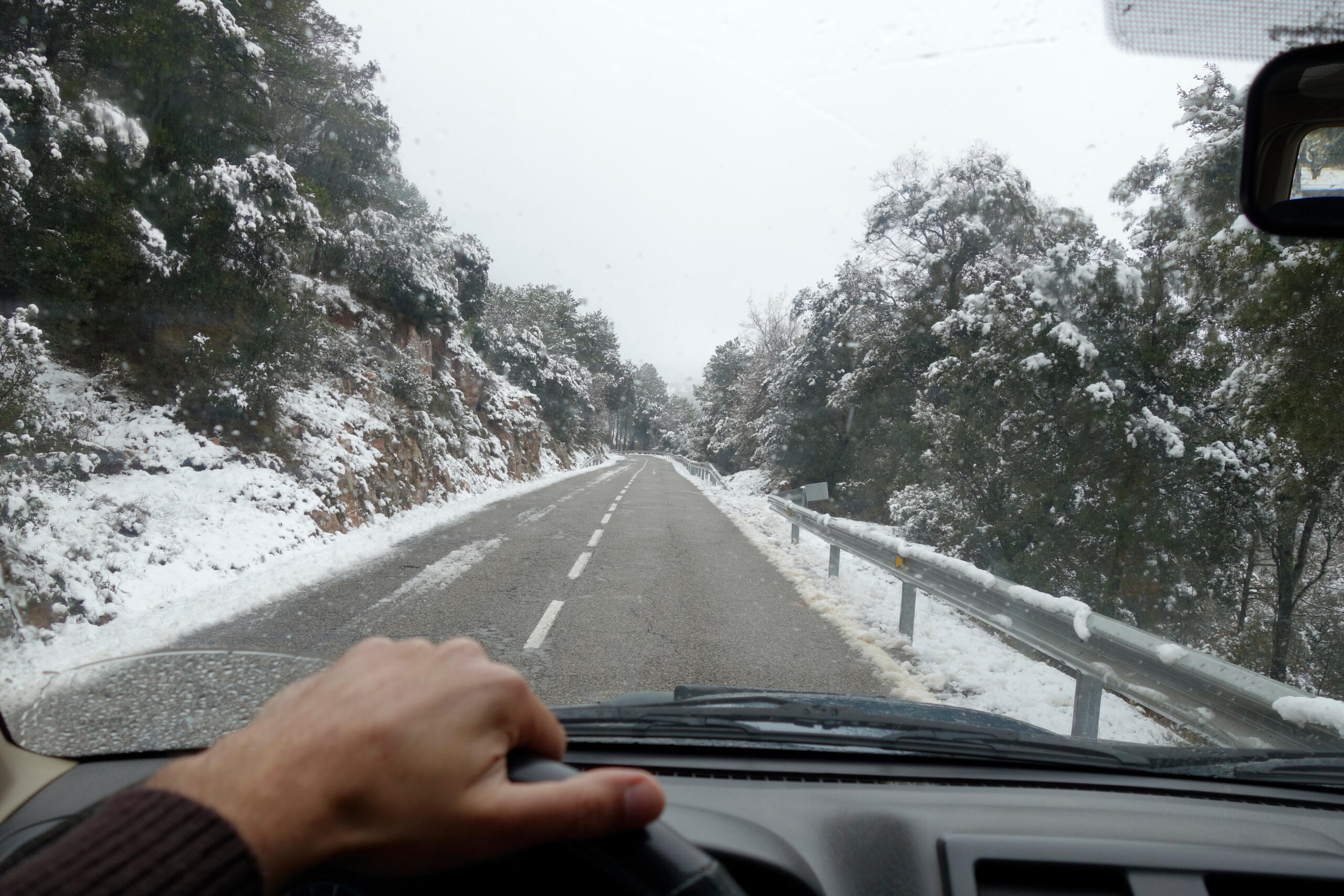
A big slab of frozen snow could easily crack the windscreen of a car travelling behind you. Though there’s no specific law covering the issue, you could be fined for offences such as ‘driving without due consideration’ if it was found that the snow on your roof caused an accident.
Don’t try to use your wipers to de-frost your car’s windscreen
When you get into your car on a frosty morning it might seem like a good idea to activate its windscreen wipers as a way to clear away the ice. However, during sub-zero temperatures, the wipers can quickly freeze solid, so switching them on will simply burn out the motors and could cause some expensive damage.
Instead, gently lift the wiper arms away from the screen to free them from the ice, or spray a small amount of de-icer onto them as a way of making sure they’re frost-free.
Avoid using boiling water to de-ice your screen
Again, if you’re in a hurry then pouring boiling water from the kettle onto your car’s frosty windscreen might seem like a good idea. The reality is quite the opposite, however, as doing so could cause your screen to crack as it changes from one extreme temperature to another. If your windscreen has any stone chips, then doing this could make them worse, too.
Plus, if it’s still below 0C outside then this boiling water could easily freeze and cause your car’s wipers to seize up. Instead, use a dedicated de-icer and a scraper to clear your car’s screen.
Don’t leave your car unattended while it is running
When it’s cold outside, the last thing you want to be doing is standing in the freezing air waiting for your car to defrost. But even though it might be an appealing option to leave your car running to defrost while you wait inside, it’s something which is best avoided. A car running outside a home is an open invitation for thieves, so you’re better off staying with your vehicle at all times instead.
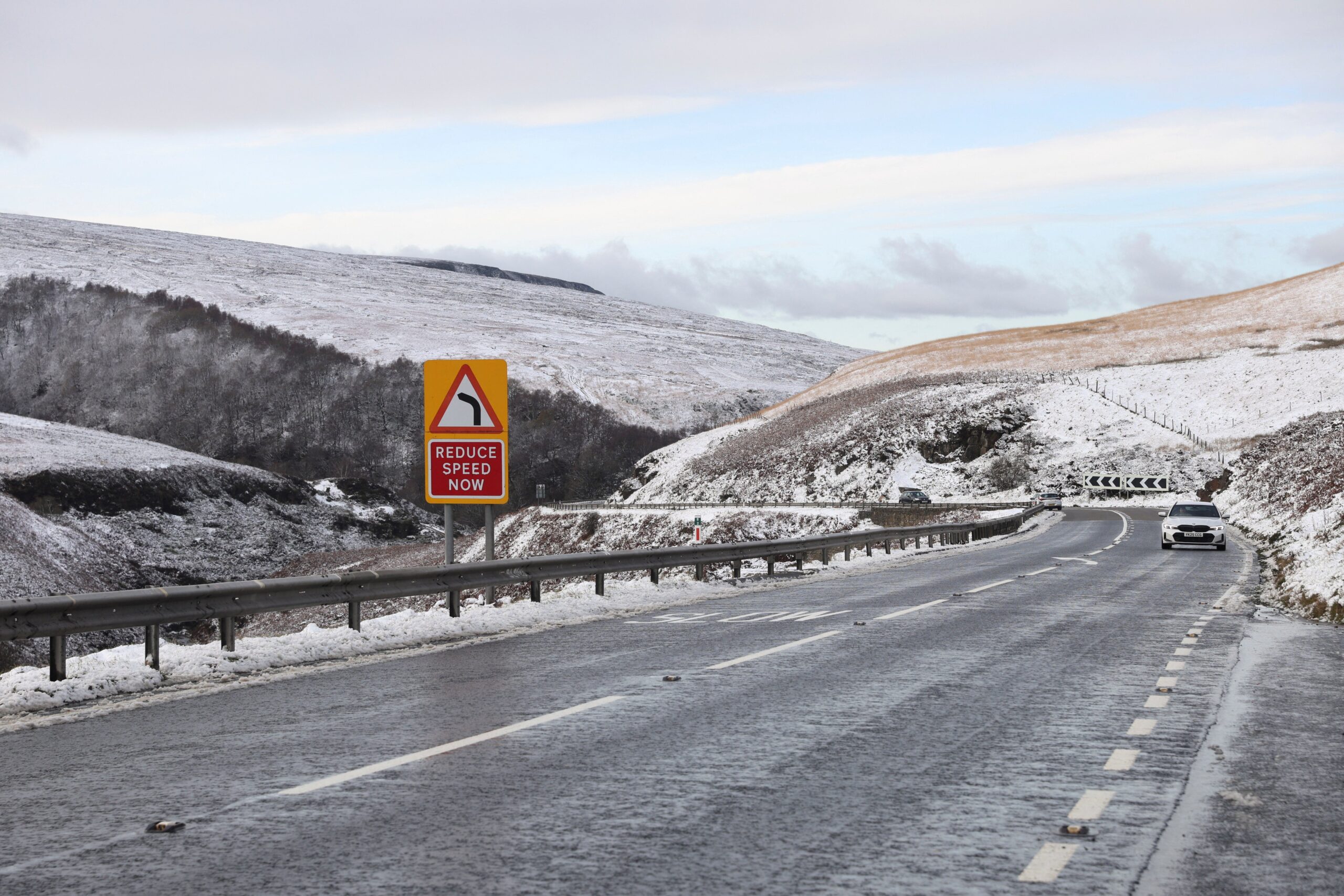
Plus, leaving an engine idling outside isn’t any good for the environment so de-ice your car by hand instead.
On the road
When you’re ready to go, the RAC recommends beginning by accelerating gently, using low revs and changing up into a higher gear as quickly as possible. Moving off in second will help to reduce wheel-slip.
Ensure your speed is consistent with that of other drivers and maintain safe stopping distances between your own vehicle and the car in front, leaving as much as 10 times the normal recommended gap.
Leave plenty of room in front before attempting to venture uphill so you can maintain a constant speed without the need for changing gear.
Use a low gear when going downhill and try to avoid braking unnecessarily, which can lead to a skid, again making sure you leave plenty of space between you and the car in front.
When approaching a bend in the road, brake softly before you start to turn the steering wheel. If your car does lose grip, don’t panic. Ease your foot off the accelerator and make sure your wheels are pointing in the direction you want to go.
If you do skid, steer gently into it – if the rear of the car is sliding to the right, steer to the right. Do not take your hands off the steering wheel or stamp on the brakes.
When driving in heavy snow, make sure you use dipped headlights. If visibility drops below a 100 metres, put your fog lights on.
If the road has not been gritted, be wary of driving in the wheeltracks or other vehicles as compressed snow can prove even more slippery than fresh snow.
