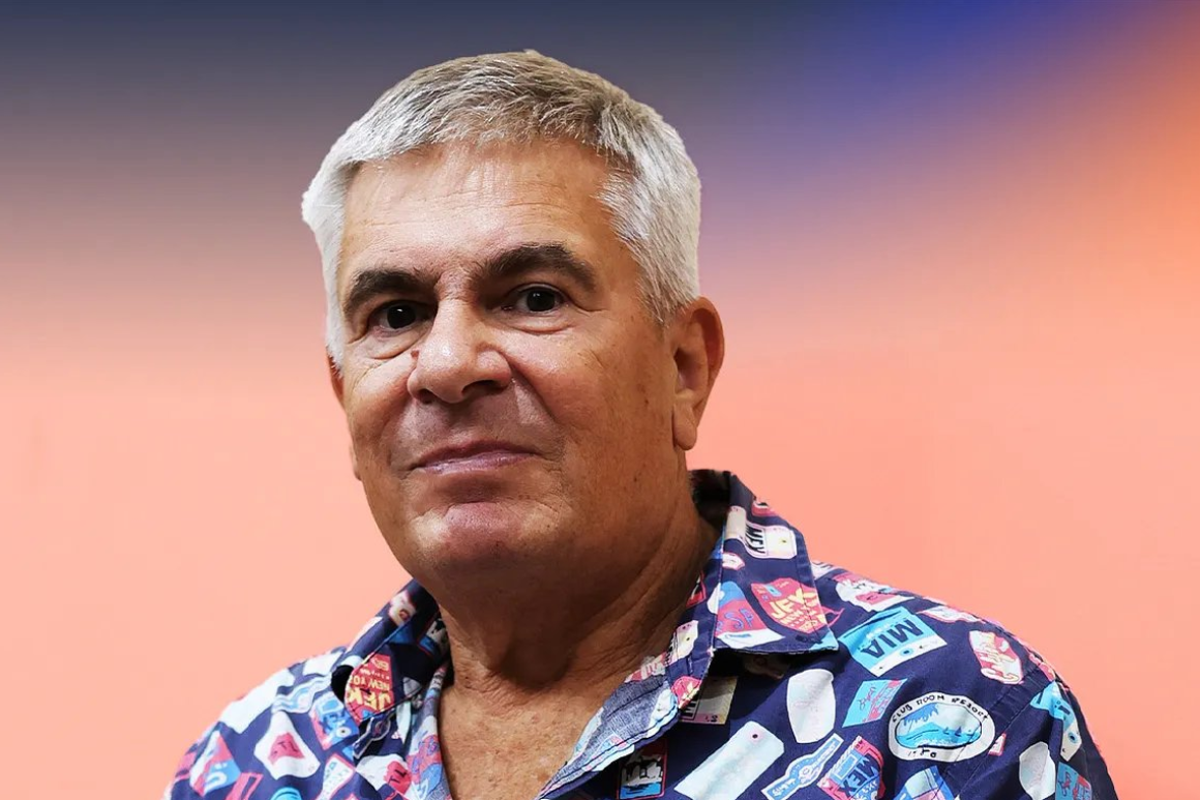
An Australian journalist has been indicted in Thailand on criminal defamation charges over articles he wrote criticising the Malaysian government and its communications regulator.
The case stems from four Substack posts in which Murray Hunter, who lives in Hat Yai in southern Thailand, accused Malaysia’s Communications and Multimedia Commission (MCMC) of political interference and intimidation. The commission, however, denied the allegations as “baseless”, according to local media.
Malaysia first pursued a civil defamation ruling, and later asked Thai authorities to act.
Thai police arrested Hunter at the Bangkok airport in September. Though he is out on bail, his passport was seized and he faces trial on 22 December.
Legal advocates say the MCMC’s bid to pursue the case through Thailand is unprecedented.
“The MCMC duped the Thai police to use criminal defamation on me,” Hunter told Asia Sentinel, and warned that Thailand could become a tool for foreign governments seeking to silence journalists.
Rights groups call it a “transnational SLAPP (Strategic Lawsuits Against Public Participation)” – a politically motivated attempt to silence a critic using another country’s legal system. They say Thailand is enabling transnational repression, potentially harming its own reputation for media freedom.
Phil Robertson of the consultancy group Asia Human Rights & Labor Advocates said Malaysia is carrying out “blatant transnational repression” and accused Thai authorities of allowing themselves to be “played for fools” by the MCMC.
If convicted, Hunter faces up to two years in prison and a 200,000-baht fine – the first known case of Thai criminal defamation law being used on behalf of a foreign government.
Thai Lawyers for Human Rights said that Hunter was being charged under Section 328 of the Thai Criminal Code – defamation by publication – over four Substack articles he wrote between 13 and 29 April 2024, which Malaysian authorities claim defamed the MCMC.
Hunter is an independent journalist who regularly comments on Malaysian politics and governance, often posting critical analyses of the country’s leadership and institutions on his Substack.
Malaysian authorities have reportedly ordered internet providers to block access to his blog in the country.
Hunter said on his Substack that he had not been notified of the case prior to the judgment and had not received any official documents related to the proceedings, and the proceedings were conducted in his absence.
Hunter wrote: “The MCMC first blocked Murray Hunter Substack in April 2023. It has been blocked ever since. I am now fighting a civil action in Malaysia and a criminal case in Thailand, both initiated by the MCMC.”
He said he was unable to write about Malaysian politics “by order of the Thai police at this point”.
“Government agencies have no business to sue the public for criticism made against them,” said Latheefa Koya, a prominent lawyer and human rights activist and co-founder of the NGO Lawyers for Liberty.
“If the people in charge of MCMC think anyone has made a false statement about it, the right thing for them to do is issue a statement denying or explaining or clarifying. But it is not acceptable for a public-funded agency to sue people for defamation, because this will have a chilling effect upon public discussion of the actions of MCMC. They have to stop acting like they are a private person whose feelings are wounded by criticism.”
Mr Hunter is a former associate professor at Universiti Malaysia Perlis. The Independent has reached out to Malaysia’s MCMC and Hunter for comment.
