The drones infiltrating Britain’s prisons to deliver contraband are not only carrying quantities of illegal drugs, but also a broad range of lifestyle products, including weight-loss medication and hair-loss treatments, the UK’s chief prison inspector has said.
Charlie Taylor said the fleets of drones now routinely surpassing jails’ security systems represent a “new paradigm” for the prison system, not least because the ability for prisoners to take illegal deliveries could be a major security threat.
Location technologies, such as What3Words have improved delivery accuracy, while the drones themselves have become increasingly advanced and capable of delivering ever-larger packages.
Able to ferry packages weighing up to 10kg, Mr Taylor said as well as cocaine, ketamine, methamphetamine and “bales of cannabis”, he is concerned the drones could be used to smuggle guns, explosives or other weapons to prisoners which could then be used in a prison break.
Speaking on The Spectator’s Coffee House podcast, Mr Taylor said: “The other day, a head of security sent me a list of the contents of a package that arrived in their jail, and it was astonishing.”
As well as the new wave of effective weight loss drugs such as Ozempic and Mounjaro being delivered to prisoners, hair loss medication such as minoxidil, and anabolic steroids, which artificially boost muscle growth, were also being flown in.
“With real accuracy, organised crime gangs are able to drop off large amounts of contraband into prisons and are often making enormous amounts of money as a result of it,” he said.
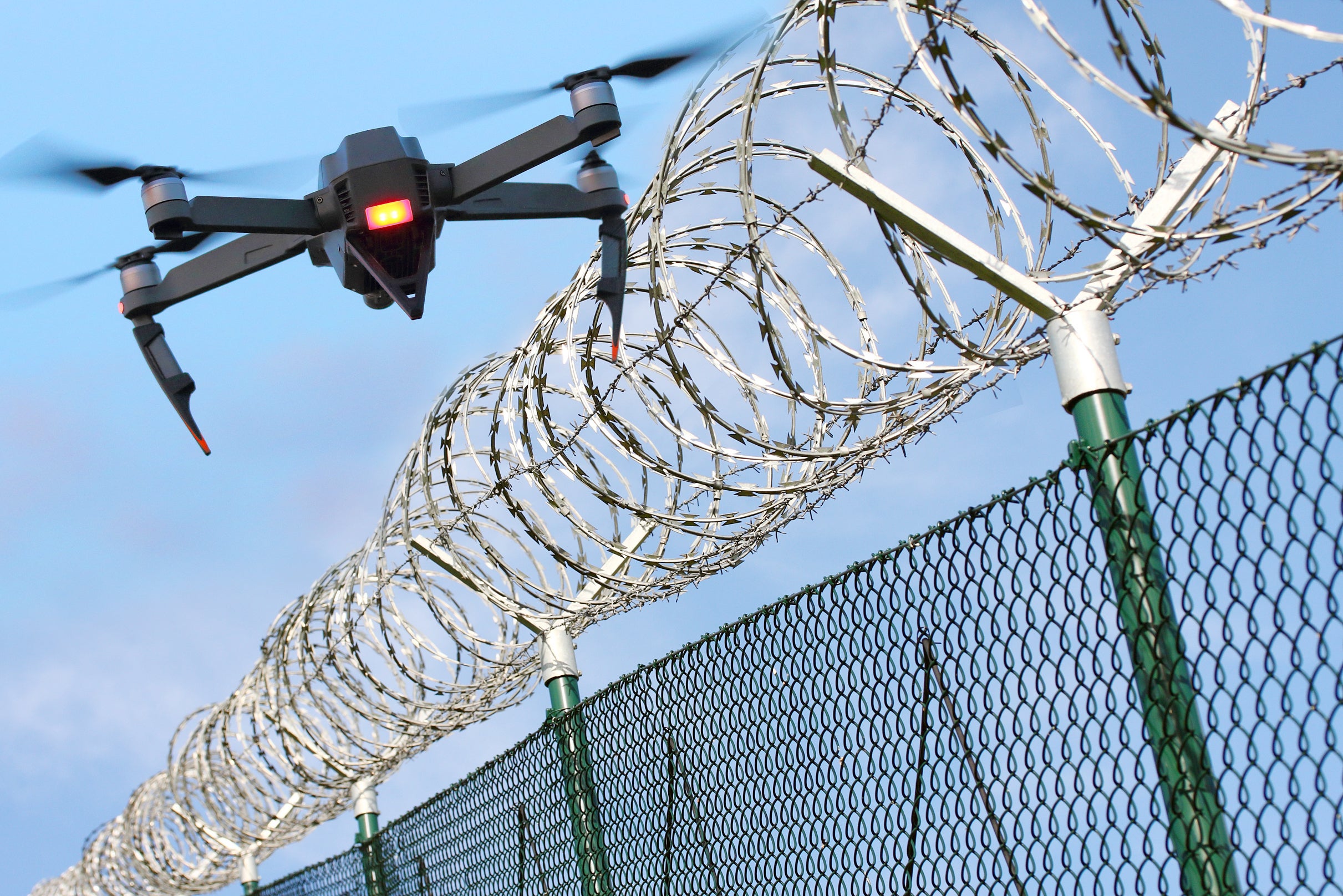
Inspectors at HMP Manchester discovered that prisoners had been dismantling electric kettles and using the heating elements to melt holes in recently-fitted perspex windows in their cells in order to take deliveries from drones.
Mr Taylor said workers at the window-fitting company which the prison had used had subsequently been threatened in their homes by criminal gangs.
Shadow justice secretary Robert Jenrick told The Times: “Our prisons are under siege from drones. Unless the government acts, it’s only a matter of time before a weapon or explosives are delivered to a prisoner. The anti-drone tech is out there and ready to be used – they just need to get on with it.”
The government is under pressure to act to improve the prison system, which has also seen 91 accidental releases of prisoners since April. Announcing the figure last week, Justice secretary David Lammy warned four wrongly released prisoners may still be at large.
The government laid the blame at their Tory predecessors, with a Number 10 spokesperson saying “the numbers were “symptomatic of a system that the government inherited, of a prison system under severe strain [and] a failing criminal justice system.”
Last month it was reported that as well as weight loss drugs, teeth-whitening kits had been delivered to prisoners in Scotland. Elsewhere, “zombie” knives and other dangerous blades had been brought in.
Footage released in June caught a drone delivering a package into the yard at HMP Wandsworth.
Tom Wheatley, president of the Prison Governors Association, said at the time that drones were a “significant and growing problem, with drops happening every day”.
Ministry of Justice figures show drone sightings in prisons have soared more than ten-fold in the past five years.
A total of 1,712 drones were spotted in the year to March 2025 – almost five sightings per day – up from just 138 in the same period to March 2021.
