Marc Simmons hadn’t heard from his estranged friend Nigel Max Edge in nearly seven years before he showed up at his work and falsely accused Simmons of stealing his identity.
They met in community college and bonded over their time with the Marines in Iraq. Simmons’ children once called Edge “Uncle Sean”, back when his name was still Sean William DeBevoise.
Simmons was now terrified his old friend would retaliate against him, he told a judge.
“The defendant, Nigel Edge, is mentally unstable,” Simmons said in a handwritten request for a protective order. “Always has a pistol on him, on high doses of medications that cause defendant to be anxious.”
That was back in May, four months before authorities say Edge, a former Marine sniper, guided a motorboat up to a crowded Cape Fear River bar in Southport, North Carolina, and opened fire with an AR-style rifle, killing three and wounding five.
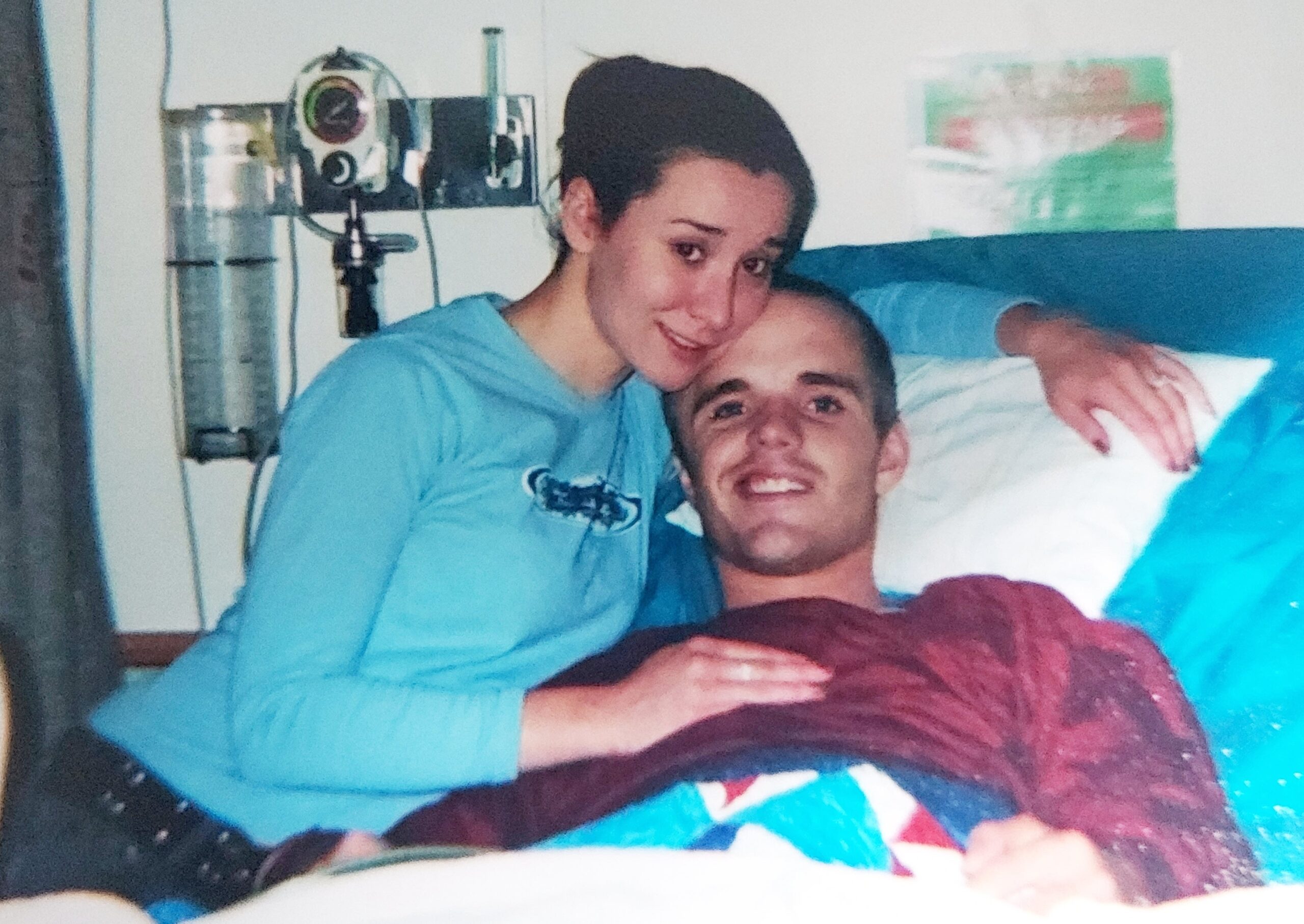
Edge, 41, is charged with first-degree murder and attempted murder and has been in jail without bond since the Sept. 27 shooting at the American Fish Company. A November hearing to determine next steps in the case was pushed to January.
Prosecutors and Edge’s attorney did not respond to questions about why the case was postponed.
Options to intervene
Following the shooting, police recovered two handguns and a short-barreled rifle from Edge’s car and boat. At his home, they found two more rifles and pistols, including one with a silencer.
Democratic Gov. Josh Stein said North Carolina needed to join the 21 states that have “red flag laws,” which allow authorities to temporarily confiscate guns from people deemed a threat. But there was another legal option.
It’s unclear whether anyone petitioned a magistrate to involuntarily commit Edge to a psychiatric facility for evaluation because the records are not public. But anyone could have, not just close family and friends, said Mark F. Botts, a University of North Carolina School of Government associate professor.
“It seems like he was estranged from the very people that would normally intervene,” Botts said.
Rachel Crowl feels there’s a lot of blame to go around, from his family, to the government, even herself.
“We failed him, as a whole,” she said.
Struggling to understand
Edge joined the Marines right after high school, eventually rising to the elite recon sniper corps. He was shot four times in 2006 on his second deployment to Iraq. The wounds led to his medical retirement in 2009.
When he returned from Iraq, a large chunk of his skull missing and an insurgent’s bullet still lodged in his brain, Marine Sgt. Sean DeBevoise — as he was then known — still seemed to have a firm grip on reality, Crowl said.
Crowl, who fell in love at 14 with the blond, blue-eyed wrestler when he came to her New York middle school for a match, said his description of how he was wounded in Iraq matched his comrades’ version of events; he loved his family, and they loved him.
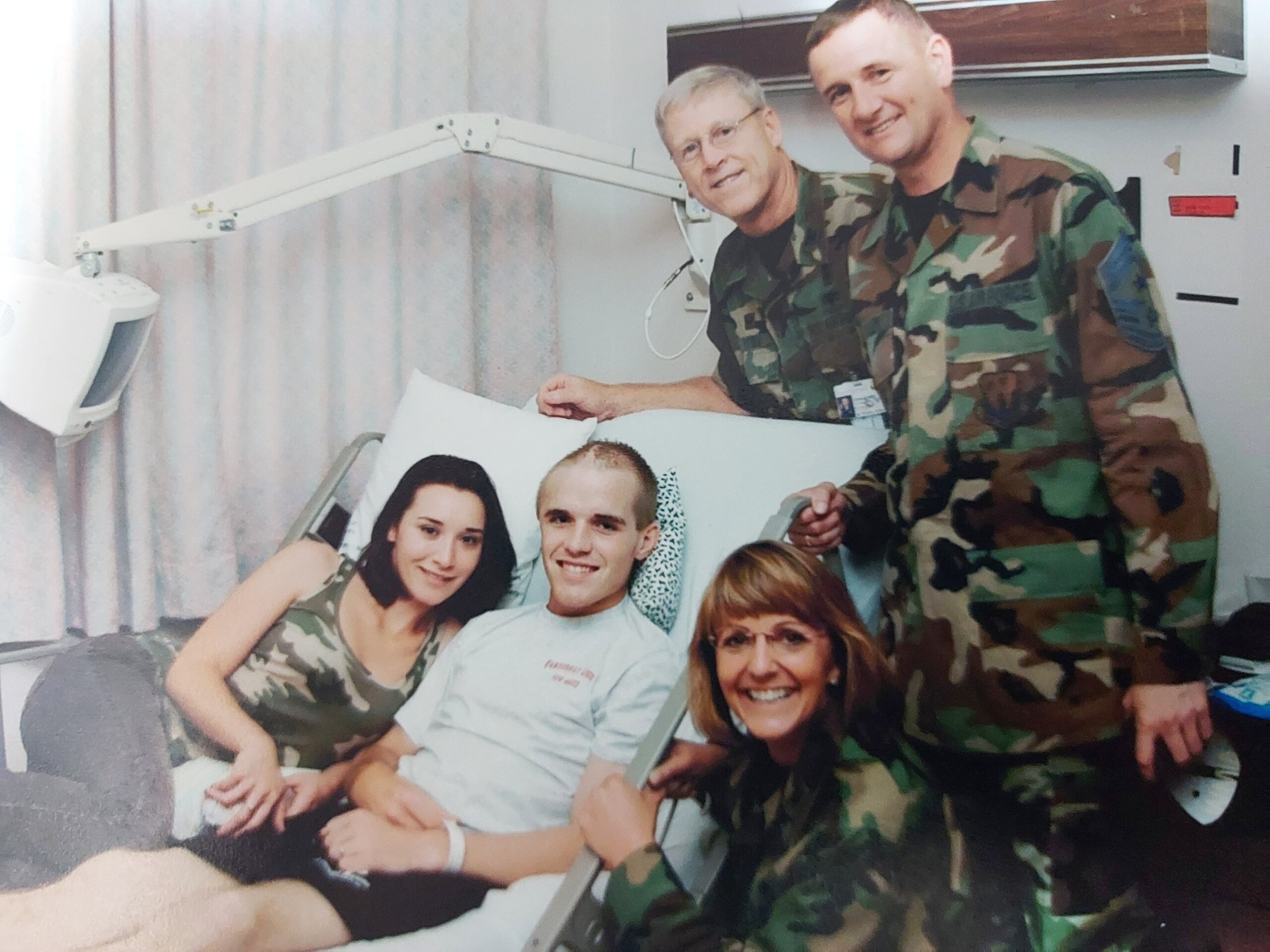
Then he began patrolling the house with a rifle and sleeping with a loaded pistol under his pillow. Separate bedrooms led to estrangement, then, ultimately, divorce.
When Crowl last saw him, 10 years ago on a Wrightsville Beach pier, “it was heartbreaking,” she said.
“He looked me straight in my face and told me a completely different story,” she said. “Basically, how I hired the platoon to kill him, and the friendly fire. And did I know they buried him and peed on him? And why would I do this? And then asked me about if I remember us being sex trafficked when we were in high school, and told me his parents had kidnapped him and weren’t his parents.”
Those are the stories he told in “Headshot: Betrayal of a Nation,” the book he self-published in 2020. Three years later, he legally changed his name, saying there are “events in my life that I don’t understand” and that he did “not trust my family.”
Doubts about how to help
Crowl said she didn’t hear from Edge again until May, when the man she’d nursed, bathed and fed filed a federal lawsuit against her, Simmons, an ex-girlfriend and a former Marine from his first Iraq deployment. It alleged they were all part of a “Civil Conspiracy” to sexually traffic and kill him, or to make him kill himself.
Edge filed lawsuit after lawsuit against friends, family, doctors, hospitals, the Department of Veterans Affairs, even a church. Crowl and others said they thought authorities would get him the mental health care they felt he clearly needed.
“Plaintiff suffers from war injuries and he suffers from delusions” and post-traumatic stress disorder, his mother, Sandra DeBevoise, wrote in a legal response last December, after he sued her and her husband. “The VA needs to take care of him!!!”
The VA declined to comment, citing medical privacy laws.
The legal onslaught became so bad that a judge in Brunswick County moved to restrict Edge from filing lawsuits without court approval.
Several people told The Associated Press they believed they lacked standing to file a commitment petition because they were not close relatives.
And the state Department of Health and Human Services cautions that this is “a last resort.”
“A person like this just falls through the cracks,” Botts said.
In June, a judge ordered Edge to stay away from Simmons. Simmons told AP he did not want to talk about his former friend.
Behind bars, Edge hasn’t been idle.
About three weeks after the shooting, he filed a handwritten notice of appeal after a federal judge dismissed his civil rights lawsuit against the FBI, U.S. Department of Justice, several local law enforcement agencies and a charity that helps veterans.
On lined notebook paper, he wrote, without further context: “Recent events, ‘Self defense’ against ’White Supremacist Pedophiles’ directly related to this case.”
