I never cared about Dancing with the Stars until it made it to my algorithm. Now I’m hooked – along with millions of young Americans who have never watched live TV before
I have never paid much attention to the American version of Strictly Come Dancing. I haven’t missed an episode of Strictly in about a decade, but despite their overwhelming similarities, Dancing with the Stars, as it is rather inelegantly titled over there, has always seemed to me a much less appealing proposition: louder, brasher, less classy, less rooted in tradition and missing the idiosyncrasy, affection and occasion that make Strictly and its attendant dramas a matter of such national importance.
While Strictly is a cultural behemoth, the BBC’s flagship entertainment programme, and a declaration of a certain kind of British value, Dancing with the Stars, which began in 2005 and is in its 34th season, has always been just another reality show. It’s less popular than Survivor or The Bachelor, is broadcast midweek rather than dominating a nation’s Saturday and Sunday nights, and until 2018 was cranked out twice a year, just to really kill the magic. I’ve never met an American who watched it or cared much about what happened to it. To them the hysteria and veneration for Strictly is unfathomable.
But something peculiar is happening. Twenty years since its first season, and against all odds, Dancing with the Stars has become the biggest hit on US TV. It’s pulled off something everybody believed was impossible: not only has it actually grown its weekly audience – unheard of for a linear show in the age of streaming and double-screening – but it’s done that by drawing the young demographic away from their smartphones and in front of live TV (some of them for the first time). How it’s managed that might be more important for Strictly fans than we’d like to admit.
Strictly has been exported to more than 60 countries in its 21-year history, but the American version shares its talent as well as its DNA. Announcer Alan Dedicoat does the voice-over on both, several of the professionals have competed on both versions over the years, and for a very long time, Bruno Tonioli and Len Goodman judged both shows, flying across the Atlantic twice every week (Tonioli remains on the panel).
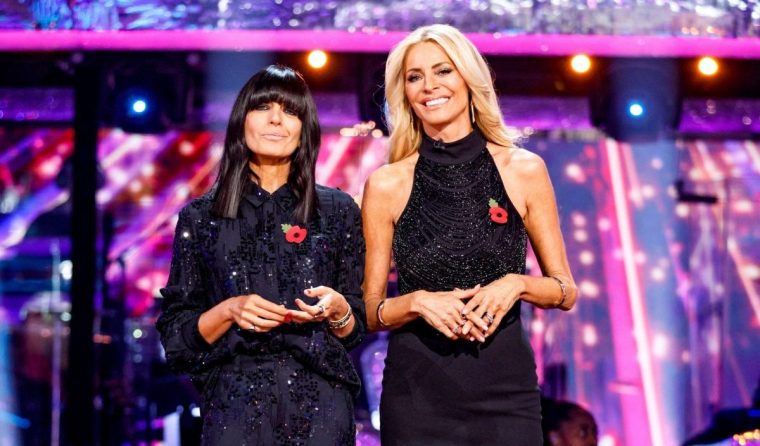
As on our show, some of the pros become stars in their own right. Derek Hough and his sister Julianne are its big breakouts: he is now a judge and she presents it with ex-winer Alfonso Ribeiro. Most of the dances are the same as ours – though they also perform jazz and contemporary. But they have a live elimination instead of a pre-recorded results show, the judging is considerably more generous, and the whole affair is less obsessed with Latin and ballroom history. Watching it (mostly through clips on YouTube) is unnerving – familiar, but slightly strange and wrong without our in-jokes, our pros, our Tess and Claud, or the chemistry between our own bizarre, hilarious judges.
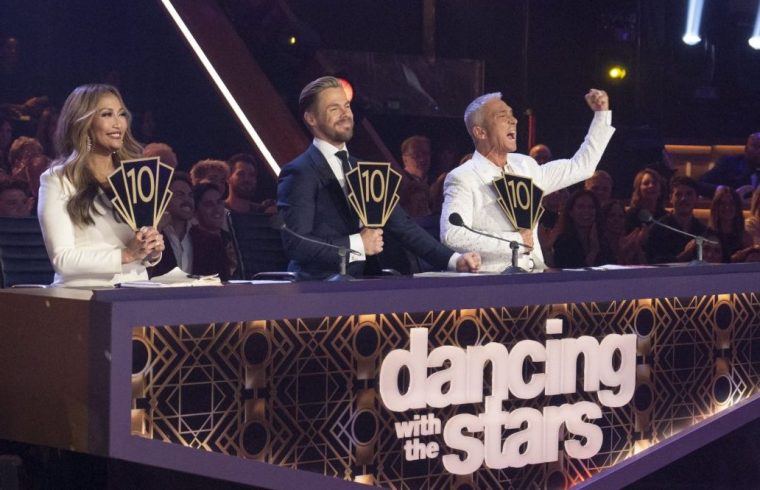
Or it was until this season, when it finally reached my algorithm. It was a video of Mark Ballas (yes, Shirley’s son – I told you the shows shared DNA) and his partner Whitney Leavitt, a star of reality series The Secret Lives of Mormon Wives, dressed in Hamilton get-up in rehearsals for their foxtrot to the musical’s “The Room Where It Happens”.
I don’t follow either of them on social media, yet was immediately gripped as they teased their dance by performing TikTok routines to other Hamilton clips all week, looking like they were having the time of their lives. I had no way of watching the full show, as it does not stream on UK Disney+, but I couldn’t wait to see the final, stunning foxtrot and I’ve been bingeing clips of their dances – and everyone else’s – every Wednesday morning ever since. I’d never heard of most of these contestants before, and yet by absorbing this show passively on my phone I’ve accidentally become invested. Me and millions of Americans, it seems – which is exactly what Dancing with the Stars’ execs were hoping for.
I am always surprised how easy it is to draw someone in who’s written it off as naff or old-fashioned by sending them a YouTube clip of a dance that left me speechless (I’m still rewatching Lewis and Katya’s Halloween Week Couple’s Choice). Suddenly they’re willing to get cosy and see what all the fuss is about – they stop caring, as we all do, that they’ve never heard of the “celebrities”, and they soften to all the chat about the “journey” and the “emotion”.
Dancing with the Stars – which cares much less about all that sincere stuff, I suppose because it is less rare for Americans to display it – is capitalising on this strategy, and is uncompromising in its online onslaught, making it the top “most social” programme in the US.
There’s a lot of talk in the media about “meeting audiences where they are” – and where young people are is on TikTok, watching dance videos. A 90-second dance is perfect to be clipped up and DWTS is flooding social media with them – along with constant behind-the-scenes content across its contestants’ socials (a bit like the stuff you see on our weeknight It Takes Two companion show), keeping fans engaged all week, keeping the contestants seeming authentic and human, and drawing in new people, like me.
Make no mistake: the BBC is taking notes. The BBC is obsessed with how to solve the problem of its “youth audience”. Its survival depends on those future licence-fee payers, but that demographic – aged 16-34 – have not necessarily grown up with its cultural values ingrained or with an inherent trust in its authority. They do not accept as gospel its right to exist.
Unlike every generation before them, they consume media that is atomised, algorithmically engineered to cater to them, and addictive. Some of it is traditional, but much of it comes from social media, from streaming giants, from YouTube creators – and finding a way to lure their attention away long enough to recognise the importance of “inform, educate, entertain” has been written off by many as a lost cause. And yet with Dancing with the Stars, the Americans have cracked it, lowering its median age viewer on streaming to 28, and on TV to 45. Strictly’s average viewer is aged 55.
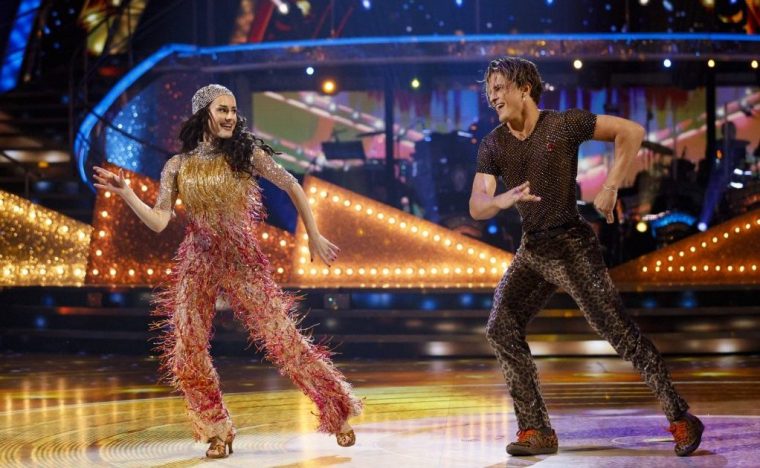
But how much is the BBC free to copy their strategy? Unlike Strictly, Dancing with the Stars has no preoccupation with how classy and respectable it is perceived to be, and does not fixate on how “established” its contestants are. Where Strictly’s casting of a social media personality or nepo baby is always seen as a controversial departure from its roots, and gets complaints every year if anyone has a dance background, DWTS unapologetically populates its show with influencers and reality stars with big existing followings, and is not concerned either with balancing “types” of celeb (Leavitt is one of two Mormon Wives on this series alone) or casting actual dancers.
And with corporate owners and deep-pocketed sponsors, it also has no shame about cashing in at any opportunity: every single week is themed, presumably in a bid to delight die-hard fanbases and satisfy advertisers: this year’s has so far featured Wicked Night, Disney Night, One-Hit Wonders Night, Rock & Roll Hall of Fame Night and TikTok Night. Sellout Night is next week (actually, it’s the semi-finals and it’s Prince).
Your next read
With Tess and Claudia’s departure at the end of this series, Strictly fans are already facing more change than they want to cope with. Even small format tweaks (Musicals Night, voting methods, a rotating dance-off judge, the Couple’s Choice) have proven divisive with protective viewers, and anything that has even a hint of the cheaper, flashier American show will be rejected. But producers, with a rare but delicate opportunity to shake things up, will be looking West – especially since Strictly’s current series has been out-watched by The Celebrity Traitors.
Strictly has always been about more than just dancing, and it has certainly never been about fame. It is a programme about hard work, sportsmanship, personal triumph, grit – associated with quality, dignity, and heart. Whether because of scandal, casting struggles or competition, that reputation is becoming harder and harder to maintain, but Strictly has already proven that it can be less snobby without sacrificing its standards: the cast is increasingly filled with social media and reality stars the traditional audience have seldom heard of, and they end up no less beloved. Expect to see more in future, because if the programme is to continue, if it is to meet future audiences where they are, it will have to embrace every shameless grab it can manage.
Unlike for the Americans, with the BBC charter renewal coming up next year, there is a lot more at stake than ratings and cash.
