Anger and recrimination swept across the BBC newsroom as staff blamed an inside “hatchet job” for forcing out the Director-General and CEO of News.
The shock resignations of Tim Davie and Deborah Turness, following claims of “systemic bias” in its news coverage and culminating in a $1bn legal threat from President Trump, caused a rift at the top of the BBC.
Staffers loyal to the pair said the resignations, prompted by a leaked memo which criticised how a speech by President Trump had been edited, were the result of a “coup”, engineered by right-leaning members of the BBC Board, who had clashed with executives over “institutional bias” inside the newsroom.
“The mood is dark. It could be the beginning of the end of the BBC,” said one executive as shellshocked staff came to terms with Davie’s dramatic downfall.
The BBC chairman Samir Shah has apologised and described the editing of Trumps speech for an episode of Panorama as an “error of judgement”. But the crisis looks set to get worse for the corporation, which has never in its history lost a Director-General and News chief in a single day.
Trump has given the BBC until Friday night to make a “full and fair” retraction of the Panorama documentary or face being sued for for £1 billion (£760m). “The BBC is on notice,” a letter to the broadcaster’s legal team read.
A High Court defamation case is likely to be “timed out” since it is more than a year since the programme aired. The BBC could rely on “free speech” protections if Trump tried to sue in a US court. The BBC said it will respond to the President.
‘We just need some leadership’
The licence fee itself could be under threat with Nigel Farage describing the £174.50 charge as “wholly unsustainable” in a speech on Monday.
Should his Reform UK win power, he vowed to slim down the broadcaster, charging viewers a voluntary subscription to watch its entertainment and sport. Farage also said he had spoken to Trump, who was “very, very unhappy” with the BBC.
The resignations split the newsroom. One figure called Turness’ departure a “massive loss” for the BBC.
Another journalist said: “She made enemies and was obsessed with BBC Verify – as if journalists don’t always verify their work. She also oversaw cuts to the BBC News Channel which are very visible on screen.
A senior BBC News editor said: “Long before this happened staff and managers have been taking time off on mental health grounds. We have lost the good and the great due to cutbacks, we just need some leadership before there isn’t much left of the BBC news operation – only when its gone the critics will realise how amazing it is.”
The BBC now finds itself rudderless as it heads into vital negotiations with ministers over the future of the licence fee. A Green Paper setting out alternative options to fund the BBC is due to be published after the Budget, kickstarting the Charter review process.
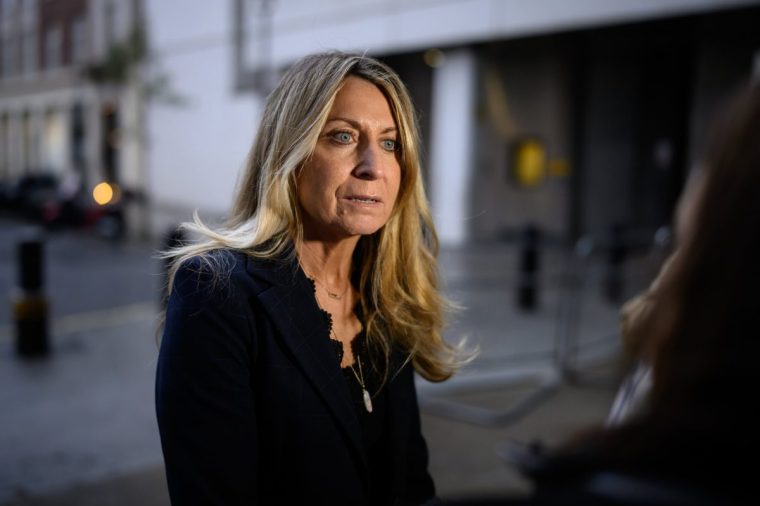
Critical memo was an ‘inside job’
Senior BBC figures said the trigger for the resignations, a critical memo from Michael Prescott, was an “inside job.”
Mr Prescott was the political editor for the Sunday Times — a Murdoch-owned outlet — for 10 years. He worked as an independent advisor to the BBC’s editorial complaints and standards committee and detailed in his memo four areas of coverage he had concerns about — the US presidential election, racial diversity, biological sex and gender, and Gaza.
His memo also addressed concerns about how clips had been spliced together from sections of a speech made by the US president, which featured in the Panorama programme Trump: A Second Chance?
Insiders pointed to Sir Robbie Gibb, a former BBC editor who left to become Downing Street director of communications for Theresa May and who is now a member of the Board. Appointed by Boris Johnson, Gibb is said to be frustrated that news executives have not tackled what he considers to be impartiality failures.
Gibb is known to be a friend of Prescott, who left his advisory role in the Summer in “despair” that action had not been taken over the issues he cited in a 19-page memo.
“It’s been an inside hatchet job, a coup,” said one news journalist. “How did this damaging memo find it’s way to a right-wing paper (the Telegraph) hostile to the BBC?”
In a monologue on the resignations, delivered to Today programme listeners on Monday, presenter Nick Robinson said: Those at the top of the BBC have appeared paralysed for the past week.”
“One source described the arguments that have raged ever since the Telegraph published a leaked memo by a former adviser to the BBC board as ‘like armed combat,’” Robinson said. “Another alleged ‘political interference’ after what they described as ‘a hostile takeover of parts of the BBC.’”
During a fraught week of meetings after the allegations were published, Turness’s News department proposed an apology for Panorama’s splicing together two parts of Trump’s speech, which “unintentionally” gave the impression that he incited the Capitol riot.
However, Sir Robbie and a majority of the Board deemed the language insufficient and no public statement was agreed, it is understood.
“Deborah has been targeted by the Board for years, there have been disputes over Gaza and other issues. Some people wanted her out,” the insider said. Turness decided her position was untenable on Friday night, after President Trump weighed in, accusing the BBC of being “100% fake news.”
Trump’s anger, raising the threat of a crippling lawsuit and the loss of BBC White House reporting privileges, had also undermined Davie’s position.
His “Tigger-like” resilience fading after five bruising years in the job, Davie decided on Sunday morning to offer his resignation – even though he still had the support of the BBC Board and Chairman Samir Shah, who expected him to continue.
“Tim would probably have left anyway after another year but he’d just had enough,” a friend said. “He’s not angry and doesn’t blame any great conspiracy. He’s frustrated that the Panorama issue wasn’t dealt with more swiftly. He really wrestled with the decision and is deeply saddened at how it’s ended.”
A former BBC executive said: “Tim is a nice guy. He simply didn’t have the editorial experience or the mettle for what the BBC is facing. Whatever anyone thinks of Trump, that edit was badly wrong and that means commissioning oversight was at fault.”
Your next read
Sir Robbie Gibb declined to comment. But a friend of Gibb’s said: “The allegation that there is a conspiracy is absolute nonsense. Just to reiterate, the bulk of the Prescott report is based on the analysis and research of David Grossman (who works for editorial policy), not Michael Prescott. “
A BBC source added: “Robbie supported Tim and wanted him to stay. He supports the BBC and the licence fee but he takes the issue of impartiality very seriously.
