Good old-fashioned literary fiction. If ever five words could sum up a shortlist, these are they. While the Booker Prize has tended to lean opaque, experimental, and dare I say pretentious in previous years, the 2025 shortlist feels like a return to something older and sturdier – grown-up stories with actual narrative heft. And given that the six books are all by seasoned novelists aged between 46 and 64, with not a debut in sight, it is also one that seems to reward maturity.
Having read them all, I’m convinced this is one of the best shortlists in years – though it was no mean feat to get through them. These books are, for the most part, pretty long. Last year, only one book was over 400 pages and the winner, Samantha Harvey’s space-set Orbital, was a slim 140. This year, we’re in much chunkier territory, with Susan Choi’s Flashlight nearing 500 pages, for instance, and Kiran Desai’s The Loneliness of Sonia and Sunny approaching 700.
But these are stories you can sink into: readable, immersive, and well-told. The judging panel, chaired by Roddy Doyle with Kiley Reid, Ayobami Adebayo, Chris Power, and, to much discussion, Sarah Jessica Parker, clearly favours depth and craft over concept. There is only one book that toys with form – Katie Kitamura’s Audition – while themes of family, time, money, ageing, and the long shadows cast by history thread through the list.
Overall, this is a terrific, confident, and satisfying selection – though, as ever, some reads are better than others. Here’s my take on each of the six shortlisted books…
Flesh by David Szalay
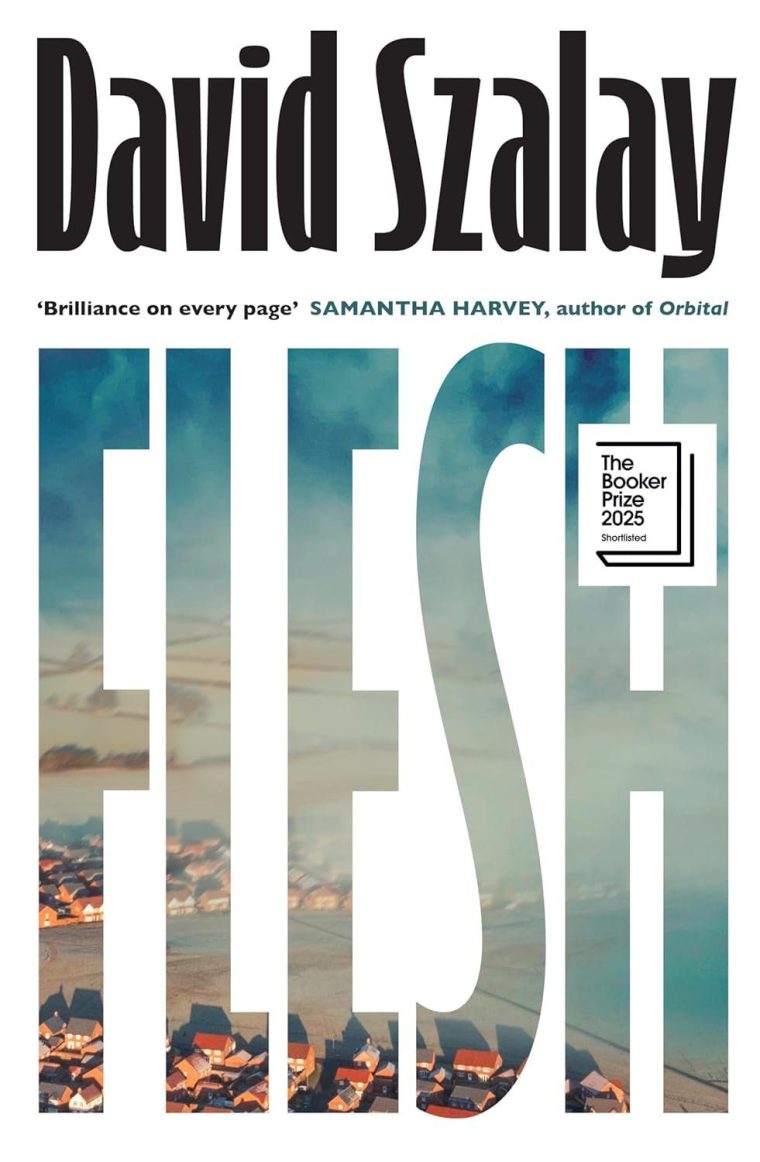
In a quiet Hungarian town, 15-year-old István is still figuring out how to exist in his own skin when he begins a relationship with a married neighbour, a woman close to his mother’s age. Their clandestine encounters – barely understood by him – set off a chain reaction he can’t control. From there, the years slide past in clean, surgical cuts: the army, then London, then the rarefied orbit of the super-rich. István keeps rising on the century’s tides of money and power, his impulses toward intimacy and status tugging him in opposite directions until they threaten to undo him.
The themes are classic Szalay – masculinity, wealth, family, the fragile hinge between luck and disaster – while the prose redefines the meaning of spare. This is a whole-life novel that is audacious in what it leaves out and that which is left unsaid. Never has so much meaning been carried by the word “Okay”, which our protagonist says countless times throughout the story in lieu of a thousand words unspoken.
Flesh isn’t exactly a hopeful book, but it feels the most truthful on this list – and for that reason, one that would be an enormously worthy winner.
Jonathan Cape, £18.99
The Rest of Our Lives by Ben Markovits
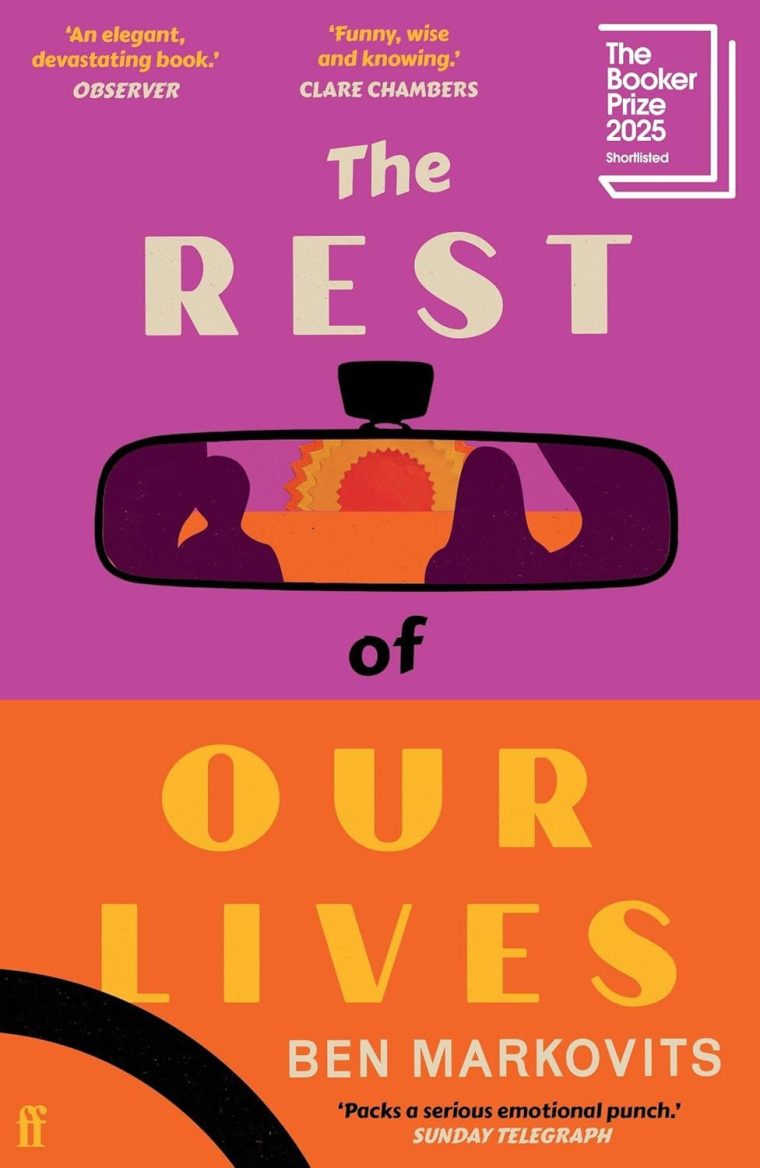
Twelve years ago, Tom Layward’s wife had an affair and he made himself a promise: he would leave her once their youngest child left home. Now, after dropping that daughter off at college in Pittsburgh, he remembers this pact – and keeps driving. Thus begins a cross-country road trip and an impulsive journey into his past by way of old friends and distant family members.
This novel is a little like a male All Fours, Miranda July’s hit book of 2024 – though not quite so raucous. It is certainly the shortlist’s breeziest read, though. The tone is dry, funny, gently rueful; its exploration of midlife, marriage, health, memory and nostalgia cleverly done. I loved it for the way it’s light on its feet without being lightweight – the kind of book you fly through and then find yourself thinking about in the days after. Having said that, I’d be surprised if The Rest of Our Lives won; something tells me the judges will go for one that is a little more complex.
Faber, £9.99
Audition by Katie Kitamura
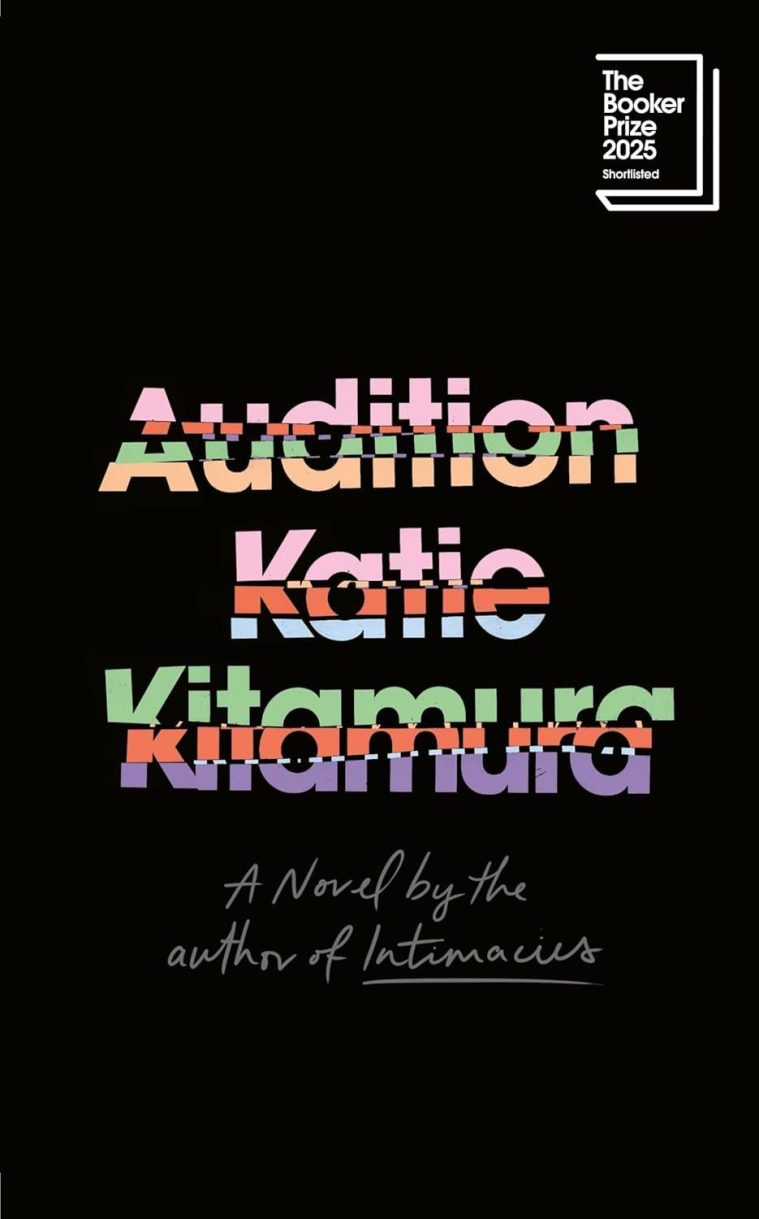
Here is the most experimental novel on the list: a slim book made up of two halves with narratives that both mirror and contradict each other. In the first, our unnamed narrator, an actress rehearsing for a play, meets a young man in a restaurant who claims to be her son – which she says is impossible. In the second, he very much is her child, one who is living at home with her and her husband, thus making you question everything that has come before.
While Audition makes some clever observations about motherhood, identity and performance, and its pared-back prose slips down nicely, something about this novel left me cold. I think that is because it feels a little like it is trying too hard to be intellectual, to the detriment of any kind of a compelling story. As such, for me this marmite book is easily the weakest choice on the list.
Fern Press, £18.99
Flashlight by Susan Choi
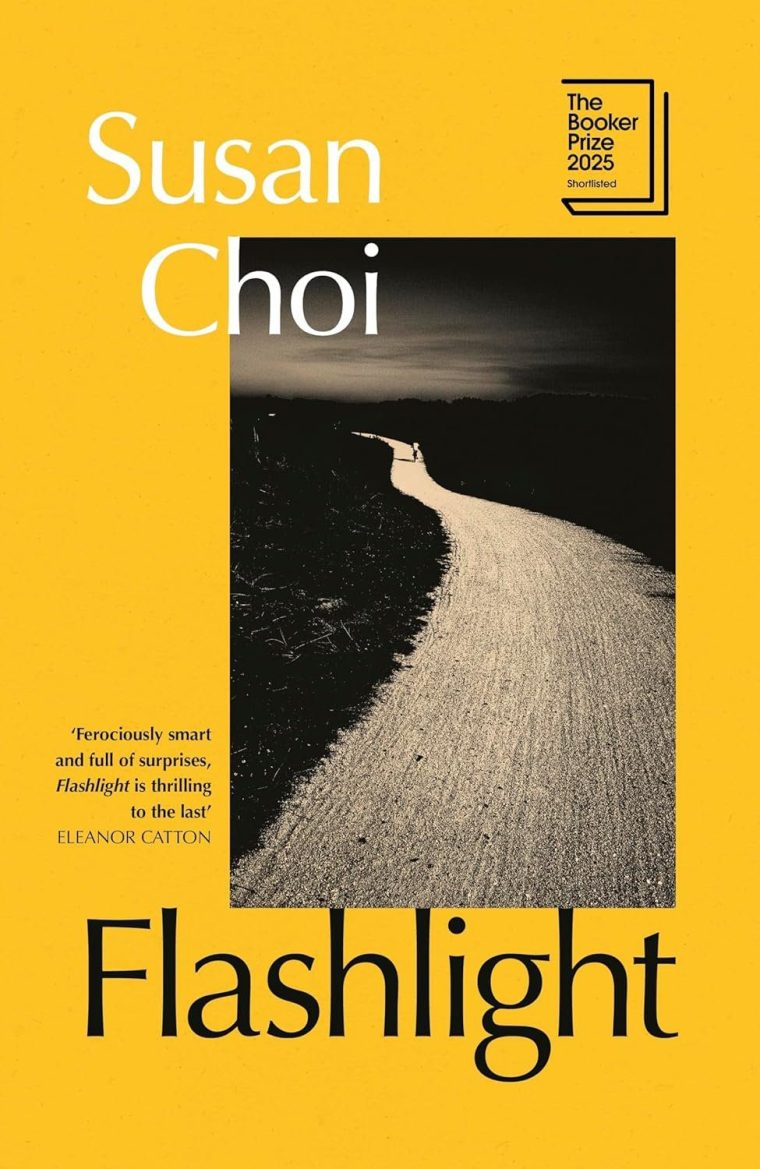
One summer night on the Japanese coast, 10-year-old Louisa walks with her father, Serk, along the breakwater. By morning, she is found on the beach, soaked and barely alive, and her father is missing.
From that stark beginning, Choi spins an investigation into family, loss, memory and a little known chapter of Korean history with a narrative that propels back and forth in time; from Serk’s own past – a Korean born and raised in Japan, estranged from relatives who emigrated to North Korea – to Louisa’s life growing up in America, as well as that of her mother Anne, and the son she once gave up for adoption.
This is a dense and layered novel which demands concentration, but its mystery compels you to keep turning the pages – and its ending utterly floored me. A powerful and worldly book, it ought to be one of the frontrunners of the prize.
Jonathan Cape, £20
The Land in Winter by Andrew Miller
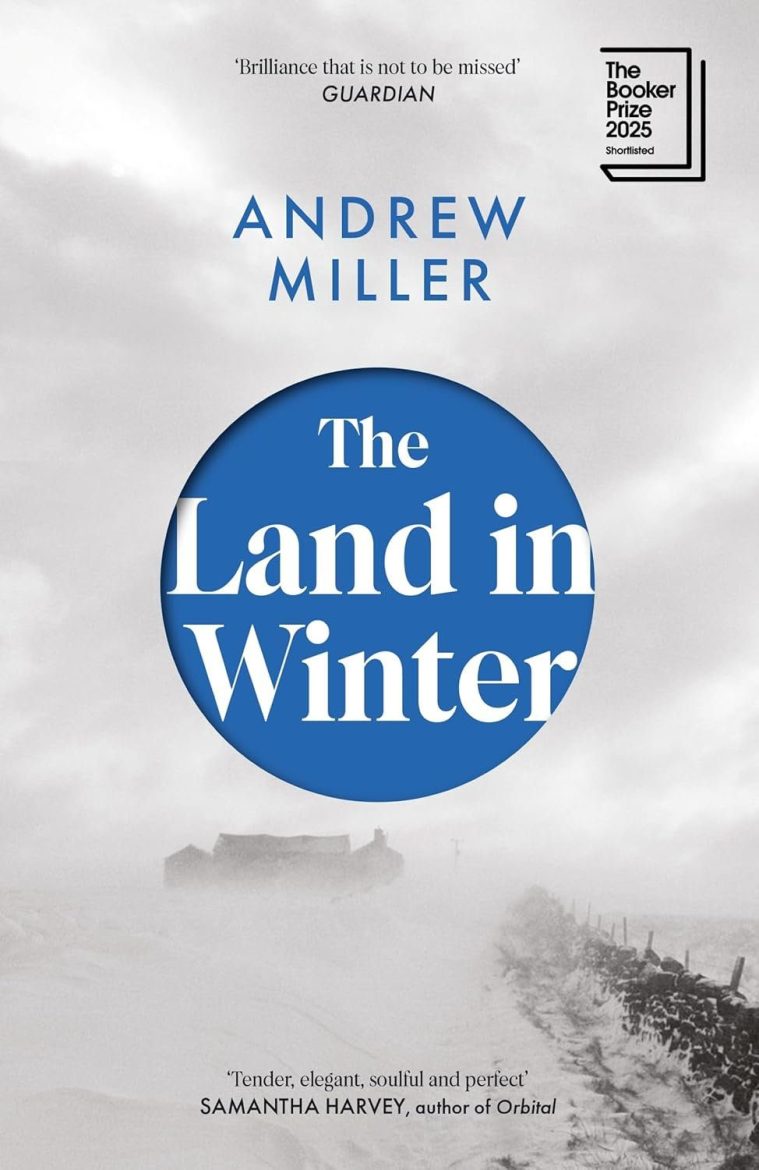
December 1962, the West Country. Two couples begin their day: Eric Parry, the local doctor who harbours secrets, slips out on his rounds while his pregnant wife sleeps; across the fields in a freezing farmhouse, Rita Simmons dreams of a past her husband refuses to confront as he tends his faltering dairy farm. Then the blizzards arrive. The great winter descends, and with it the unravelling.
If the first half of this novel is quiet, it is because Miller is building it like an impressionist canvas: tiny strokes that seem plain up close gather into something extraordinary. By the second half, the drama becomes so gripping I found myself immersed in multiple late-night reading sessions. The end result is an unforgettable book about a society on the cusp of social change, and the ordinary lives swept up in its crest. I would love to see The Land in Winter win – but given that the Booker Prize tends to favour global stories, the distinctly British feel to this one may work against it.
Sceptre, £10.99
The Loneliness of Sonia and Sunny by Kiran Desai
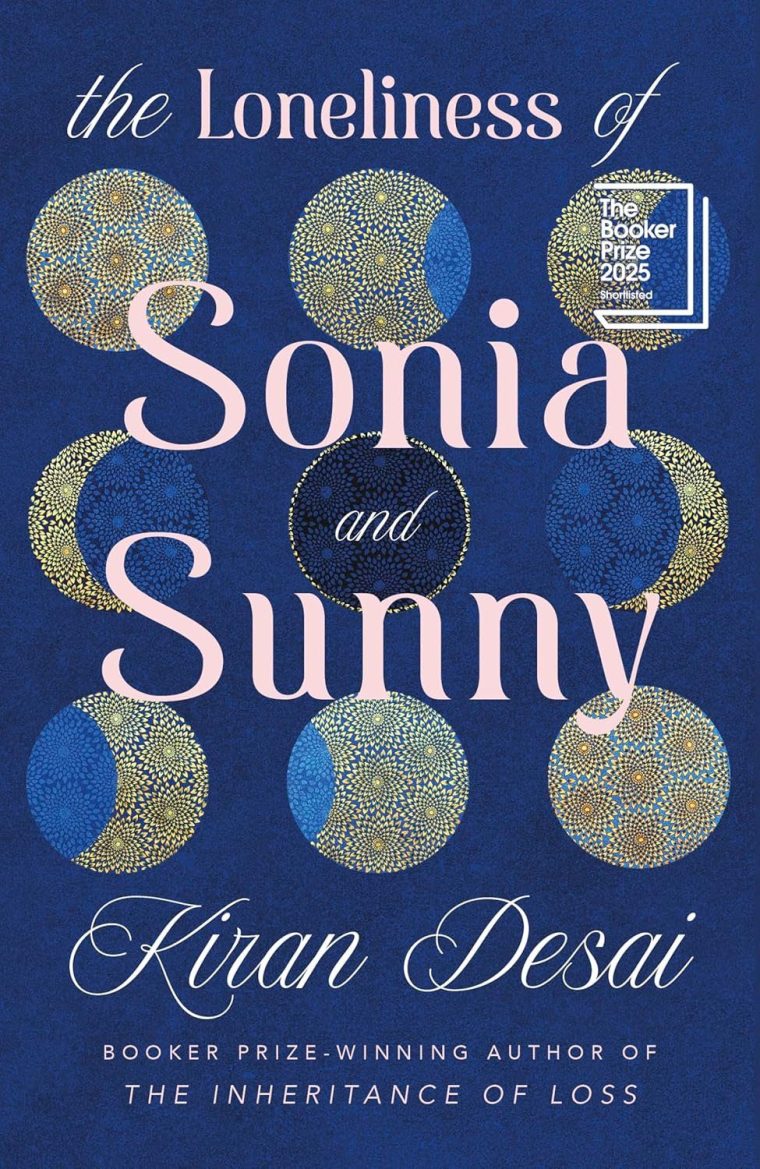
It has been almost 20 years since Kiran Desai won the Booker for The Inheritance of Loss, and The Loneliness of Sonia and Sunny feels like the grand return everyone hoped for – a big, rich, sweeping novel of ideas.
But it is also one which requires a huge amount of patience, as this is the kind of story which takes its time: it isn’t until 250 pages in when its protagonists actually cross paths on an overnight train in India. Sonia is an aspiring novelist who has returned from her studies in snowy Vermont, convinced she has been cursed by a turbulent artist she once loved; Sunny, a struggling journalist in New York, is trying to escape his domineering mother and the violence of his extended family. When they meet, they’re embarrassed by the fact their meddling grandparents once tried and failed to arrange their marriage.
What follows is a sprawling, continent-spanning love story; a family saga and book about class, country, ambition, happiness and fate. It is slow in places, but it’s an undeniably Dickensian epic and I wouldn’t be surprised if Desai won the prize again.
Hamish Hamilton, £25
The Booker Prize will be awarded on Monday night
