For sexual abuse survivors, the renewed pressure on Andrew Mountbatten Windsor has deep resonance
For years, Andrew Mountbatten Windsor – formerly prince Andrew – could rely on privilege and protocol to shield him from consequence. But the walls are closing in, not through the courts, but through the slow, relentless judgement of public opinion.
This week, US lawmakers renewed their invitation for Andrew to answer questions about his ties to Jeffrey Epstein, the convicted sex offender who took his own life in 2019, adding that a subpoena remained on the table. This was less a viable legal manoeuvre than a moral one – a declaration that even the powerful and the elite cannot evade all forms of justice.
It also showed victims of sexual abuse that persistence and visibility are some of their most powerful weapons.
The US Congressional House Oversight Committee is investigating how Epstein’s network was enabled. In their latest letter, Democratic members urge Andrew to co-operate voluntarily, suggesting that his testimony was vital to understanding systemic failures.
The legal reach of a Congressional subpoena is limited – inherently unenforceable while he remains in Britain. Yet that detail hardly matters. The message landed all the same.
For sexual abuse survivors who fought for years to have their experiences believed, the renewed pressure on Andrew has deep resonance. The committee’s insistence reflects both survivor persistence and a broader cultural shift: impunity for the powerful is no longer assured.
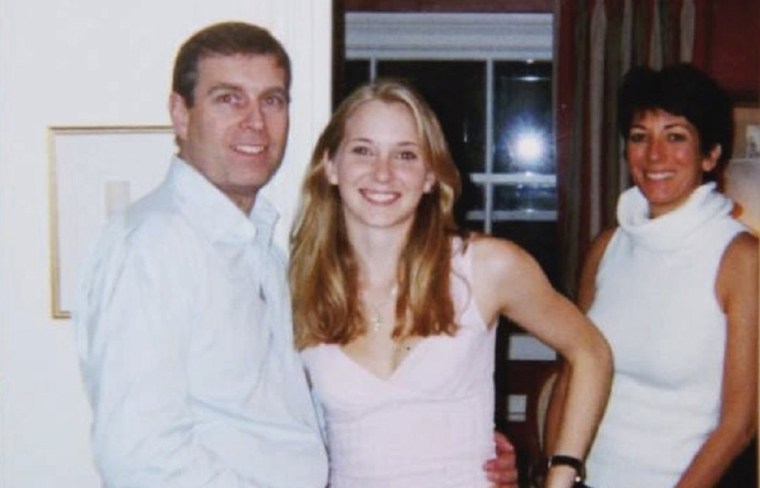
It is striking that the most decisive rebuke came not from prosecutors or politicians, but from the British monarchy itself. When King Charles III stripped Andrew of his royal and military titles, it was a swift and unambiguous act of internal discipline and accountability. The Palace, ostensibly a non-political institution, moved faster and with greater force than the justice systems on either side of the Atlantic.
In protecting its own legitimacy, it delivered the clearest public reckoning yet.
Still, the true shift is coming from below – from survivors who, seemingly having exhausted legal avenues, have turned visibility into their most powerful weapon. The court of public opinion has become a deliberate strategy, an open forum where moral accountability can be pursued when formal justice stalls. Still, each Congressional letter, hearing, or threat of subpoena helps transform private harm into a public cause.

Critics might call this theatre, and that allegation is largely valid. The move invites attention and symbolism more than it promises judicial consequences.
While Congress has wide-ranging subpoena powers that can force an American to provide testimony, those generally do not apply to a foreign citizen not on US soil. The chances of Andrew going to testify are slim, unless he voluntarily chooses to go.
Likewise, any pressure this puts on Donald Trump, who desperately wants to escape his former association with Epstein, is more in the court of public opinion than from legal dangers to the President.
Even so, the spectacle is achieving some success. It reframes expectations about who is answerable to whom. It is legitimising victim voices long silenced by wealth, power, or, in this case, royal protocol.
Of course, the risk of symbolism is that it substitutes spectacle for actual reform.
Your next read
The challenge now is to ensure that survivor-led visibility drives structural change – in how institutions respond to allegations of abuse, how privilege is policed, and how we determine who really deserves to be believed. Otherwise, outrage is expressed and then forgotten.
Mountbatten Windsor is unlikely ever to face the US Congress. He has nothing to gain and much to lose. Yet his absence no longer protects him. In the eyes of the public, silence itself has become an admission of sorts.
And the story has a cinematic quality. It presents a once powerful and untouchable man brought down by those he long belittled and dismissed. The brave individuals who have been harmed are standing up and creating the consequential ending they deserve.
Melissa Hamilton is a professor of law and criminal justice at the University of Surrey, where her research focuses on issues related to domestic and sexual abuse
