Labour’s immigration crackdown could leave the UK £4.4bn worse off, the Home Office’s own assessment of Sir Keir Starmer’s sweeping reforms has admitted.
The prime minister unveiled plans in May to slash immigration, including a move to make it harder for foreign students to stay in Britain, saying that settlement in this coutry was a “privilege that must be earned, not a right”.
The headline policies in the white paper included cutting the length of time that international graduate students are allowed to stay in the UK after finishing their studies. The English language requirement for those on the skilled worker visa – which allows a person to come or stay in the UK with an approved employer – will also be raised next year.
In a blow to businesses, the immigration skills charge – a fee paid by UK employers sponsoring overseas workers – will also be hiked by a third.
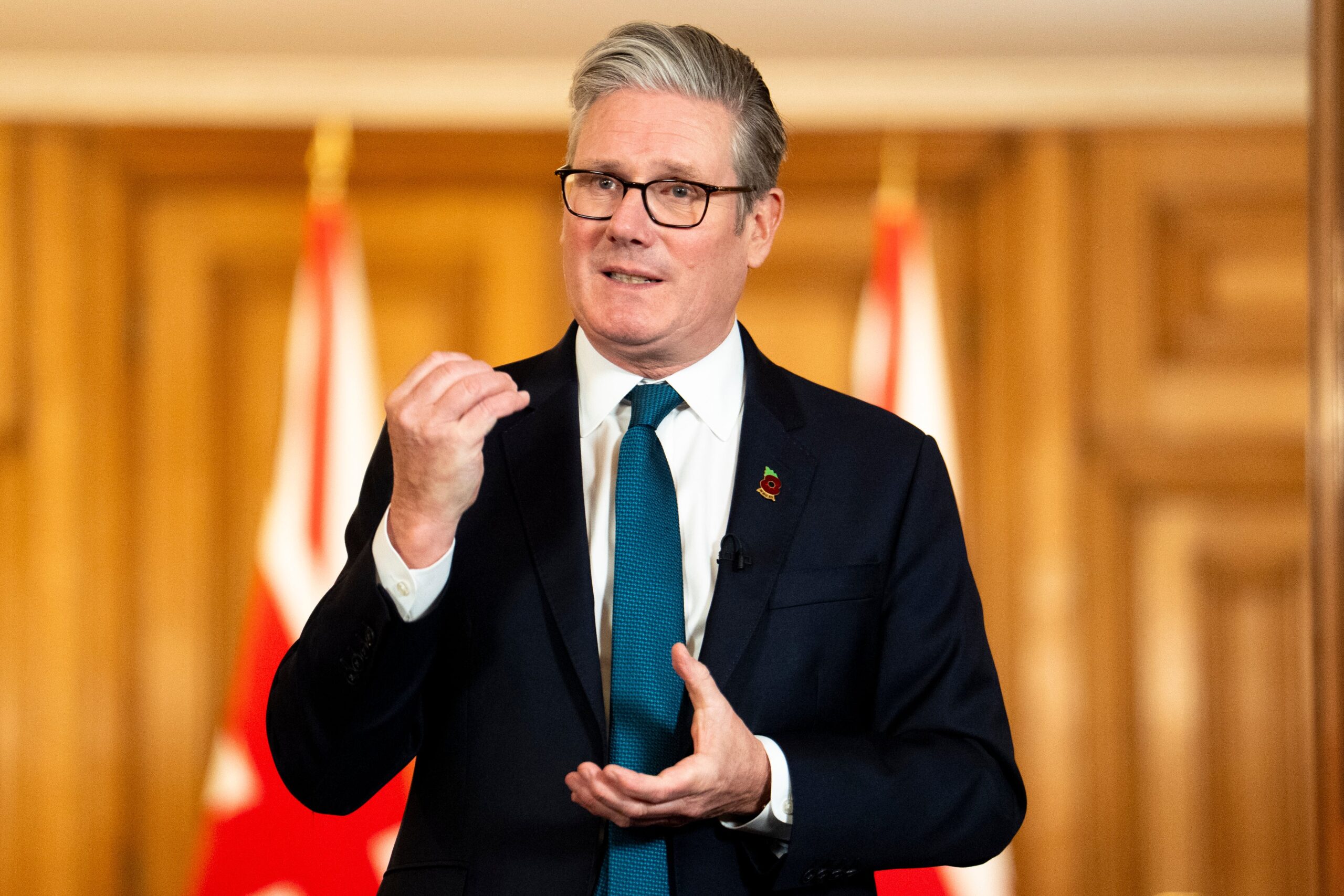
Now a Home Office assessment looking at the impact of these policy changes has predicted the UK will likely be £1.2bn worse off over the next five years – with the possibility that the negative financial hit could be as much as £4.4bn. The best case scenario is that the UK makes £0.8bn through the changes, it says.
The assessment, published last week, says this is broadly caused by the loss in university tuition fees due to the tightening of the graduate visa route, as well as changes to the amount of money brought in by visa fees. There will also be an indirect estimated fall in income tax as a result of fewer people staying on to work, it says.
Experts have warned that politicians are failing to consider the wider impact when making promises to clamp down on migration.
Jamie Arrowsmith, direction of Universities UK International, told The Independent that the assessment demonstrates the “real-world consequences for growth and prosperity for communities across the UK”.
He added: “This is particularly concerning for universities. Our analysis shows that any benefit from an uplift in tuition fees in England will be wiped out by other policy changes – and this latest government assessment does not include the cumulative impact of forthcoming changes, including the proposed introduction of an international student levy and tighter rules on visa compliance.

“While we recognise the government’s priority to manage immigration, it’s important that we do not further undermine the UK’s ability to compete for global talent.”
Sunder Katwala, director of the British Future thinktank, said: “There’s too little serious discussion about the real costs and benefits of immigration. Instead, politicians compete to promise the lowest migration numbers, without considering the wider impacts.
“More people coming to the UK to work or study can put pressure on housing and services, but they also contribute through taxes, university fees and NHS surcharges. Our debate should engage far more honestly with both these pressures and these gains.”
Net migration to the UK is now falling, after a record high in 2023. Figures show 431,000 people were added to the UK population in 2024, compared to 860,000 a year earlier.
Announcing sweeping changes to the immigration rules earlier this year, Sir Keir claimed the number of people entering the country was causing “incalculable damage” – prompting fury from unions, charities and his own MPs.
Sir Keir said the UK risked becoming “an island of strangers”, a phrase he later said he deeply regretted. MPs criticised the language at the time, likening it to remarks made by British politician Enoch Powell in his infamous Rivers of Blood speech.
Former Labour education secretary Alan Johnson later warned that Sir Keir’s migration crackdown could risk closing universities. He said the government would be making a “very big mistake” if ministers thought they could solve concerns about migration by targeting international students.

According to the Home Office impact assessment, between 11,000 and 15,000 students per year will not come to the UK due to the visa changes – which will cut the length of time a graduate can stay in the UK after completion of their studies from two years to 18 months. These changes will come into force in 2027. Graduate visa applications are also predicted to fall by 16,000 per year by 2030. A record number of 172,000 graduate visas were issued in 2024.
The paper says a rapid increase in sponsored study visas – visas sponsored by education providers for international students – at lower-ranked education institutions has contributed to record levels of net migration. This has been driven by a rapid increase in international students applying for master’s degrees in the UK, officials found.
Internal Home Office data quoted in the paper suggests that UK visas for universities globally ranked between 601 and 1,200 increased by 49 per cent between 2021 and 2023. Visas for the top 100 universities fell by 7 per cent in this time.
The number of graduates who stay on in the UK after their studies has also increased, prompting Labour’s crackdown on students.
While officials acknowledge the significant impact on universities due to the changes, they are uncertain how businesses will adapt their recruitment. They said that there may be additional benefits to the economy over the longer-term from incentivising training for British workers.
Under the plans, routes for talented foreign workers – the High Potential Individual (HPI) route and the Global Talent route – will be expanded. The HPI route, which expanded this month, allows graduates from a select group of top universities abroad to come to the UK for two years. The Global Talent route allows exceptional workers in academia, arts, culture and technology to stay in the UK for up to five years. Changes to this route are expected in 2026.
A Home Office spokesperson said: “We make no apologies for bringing net migration down as we promised, and creating a system which protects British workers and wages while attracting only the best international talent to benefit our economy in the long-term.
“This is why we’ve set out a comprehensive plan to restore order to our broken immigration system”.
