Giant Barrel jellyfish, identifiable by their huge size and frilly textures, have been increasingly sighted on British shores this year.
The species of jellyfish has seen a 230 per cent increase in sightings compared to last year, according to the Marine Conservation Society’s annual wildlife sightings report.
Anna Bunney, citizen science programme manager at the Marine Conservation Society, told The Times: “Volunteer reports show just how dynamic and ever-changing our coastal ecosystems truly are. The surge in barrel jellyfish sightings is particularly interesting.
“Whilst we need more records and data to help us understand these fluctuations, it may be linked to warmer sea temperatures and changing ocean currents. That’s why our public sightings are so vital: they help build a clearer picture of what’s happening in our seas and allow scientists to track changes in real time.”
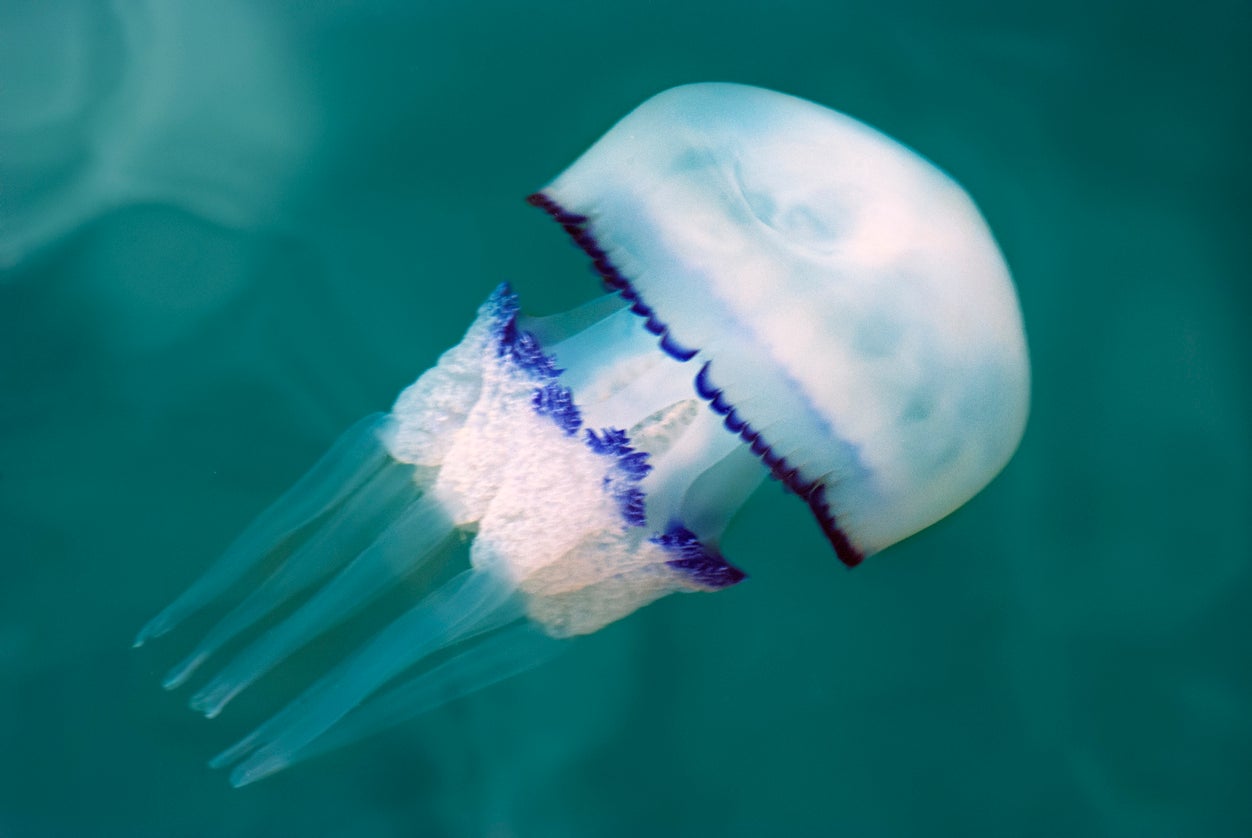
The Barrel jellyfish was the second most spotted species featured on the list, up from fifth place last year.
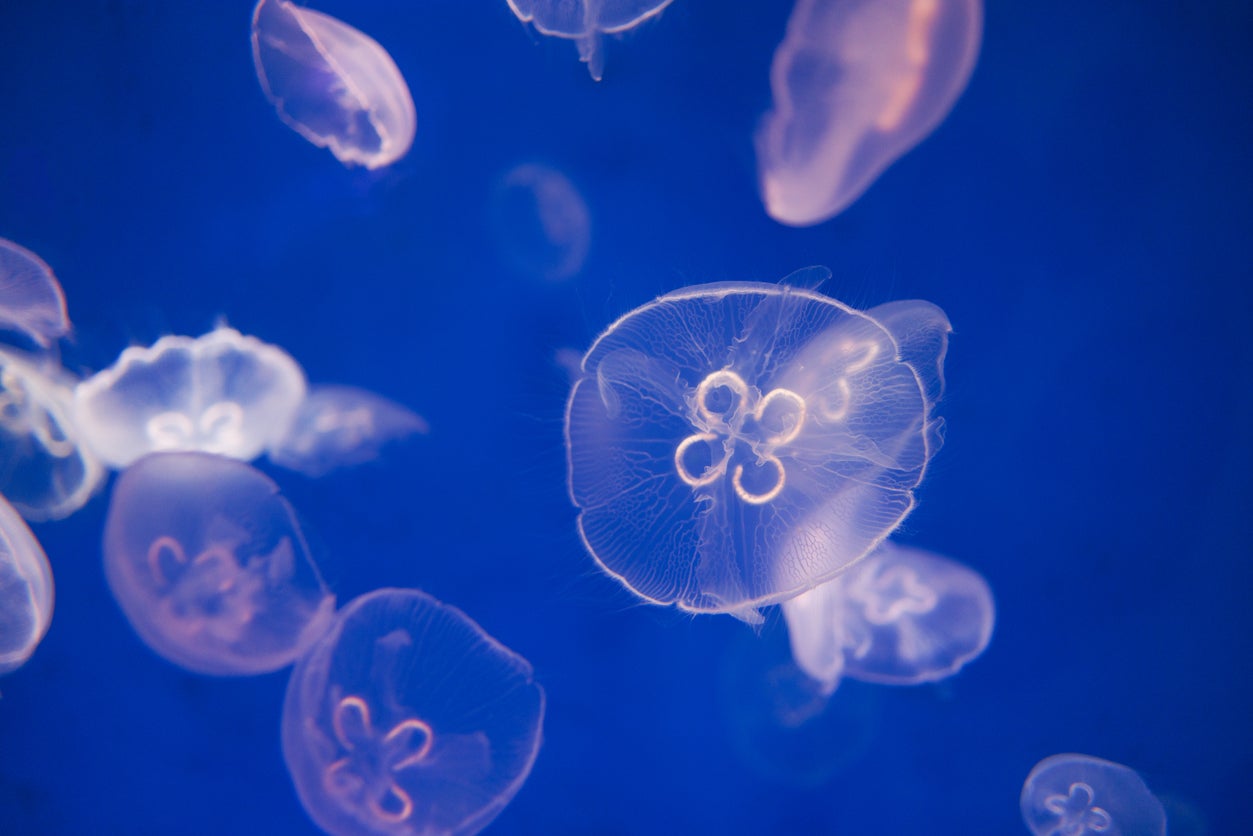
Moon jellyfish, known for their translucent round exteriors, came first place as the species with the highest amount of jellyfish sighted in the sea for the second year in a row.
A total of 316 were observed in British shores this year, making up 24 per cent of all 1,327 jellyfish sightings,
There was also an increase in moon jellyfish blooms – which is a surge in population growth – with 21 per cent of sightings involving blooms of over 100 – up 68 per cent from last year and also the highest proportion since 2016/17.
There was also an increase in Mauve stinger blooms, also known as the purple-striped jellyfish, with the highest ever recorded – a 31 per cent increase from last year.
Portuguese man o’ war sightings fell with 83 per cent fewer reports this year. It was the second-least spotted species this year, in comparison to being the second most spotted in 2024.
The Marine Conservation Society predicts this may be due to there being fewer storms this year (six compared to last year’s 12), and less man o’ wars being washed onto beaches by storms by blustery winds.
More than half of the sightings took place in England and rankings varied geographically. While the moon jellyfish took the highest ranking in England, the barrel jellyfish was the number one spot in both Wales and Scotland. Mauve stingers were largely found along the south-west coasts of England and Wales.
The report documented six per cent less total jellyfish sightings across the UK and Ireland between October 1 2024 and September 30 2025 than last year.
