His own books examine the way people change over time. Here, the author shares the books about middle age that have inspired him
Ben Markovits has always been fascinated by the quiet dramas that unfold in ordinary lives. Across novels like You Don’t Have to Live Like This and Either Side of Winter, he has explored ambition, regret and the slow, surprising ways people change over time.
His latest book, The Rest of Our Lives – shortlisted for this year’s Booker Prize – is a sharp, moving portrait of middle age: of relationships tested, dreams revised, and the strange mix of hope and melancholy that comes with looking back and forward at once.
So which novels capture that same spirit? Here, Markovits shares his five favourite reads about mid-life….
The Accidental Tourist by Anne Tyler
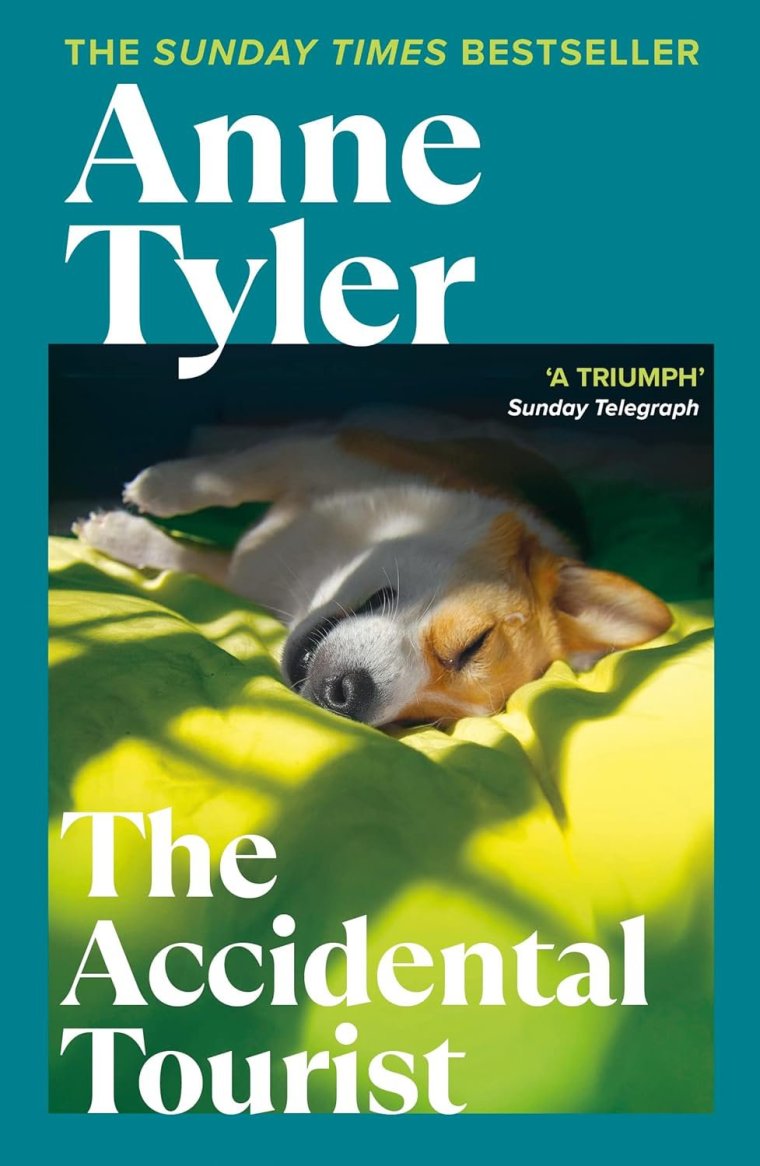
“This is a classic Anne Tyler novel that plays with the tension between the comic and the sentimental. The protagonist is a man who writes tourist guides for people who don’t want to be tourists, mostly business travellers. It shows them how to fly around the world without having to experience it, where to eat, where to stay, what to do, so that you never feel like you’ve left America.
“Of course, these guidebooks also stand for his more general attitude to life. Very good on the weirdness of families, but also on the pitfalls and attractions of starting over in middle age.”
Vintage, £9.99
Independence Day by Richard Ford
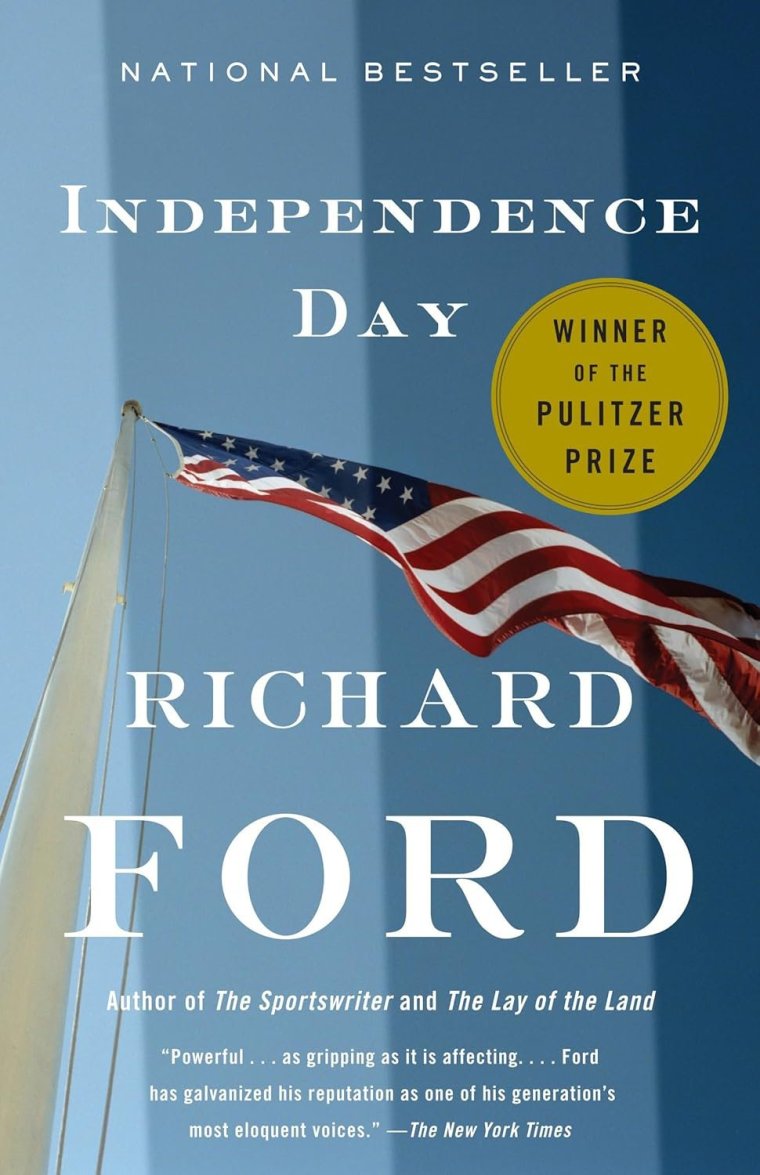
“Frank Bascombe got divorced when his marriage broke down after the death of one of their children. Now he’s given up his career as a writer to become a real estate agent and has moved into his ex-wife’s former house. When the novel opens, he feels like he’s come to terms with everything that’s happened to him. But cracks are starting to show.
“Over the 4 July weekend, he decides to take his troubled teenage son on a road trip culminating in a visit to the Baseball Hall of Fame. It is one of those slow beautifully layered novels where you start hanging out with the characters, going through their days – and feeling everything they feel along the way. By the end, nothing seems trivial, everything he thinks or feels has become interesting, because you’re stuck in the rut with him.”
Bloomsbury, £9.99
Beppo by Byron
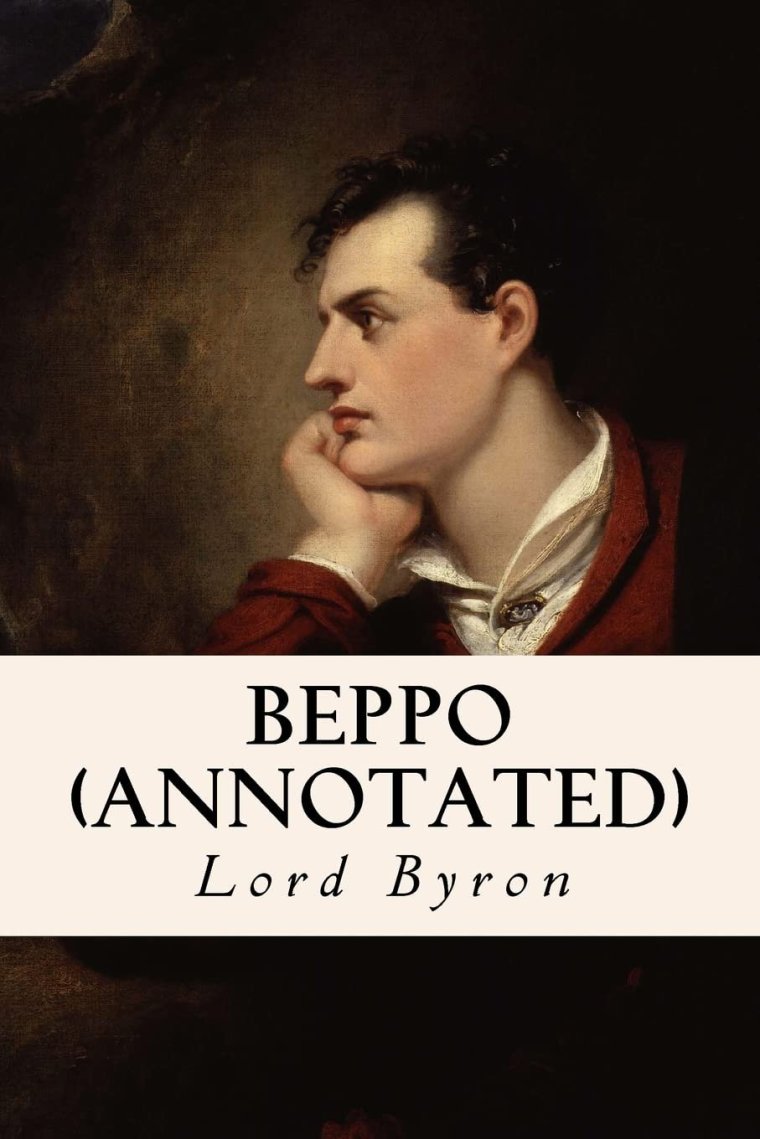
“A transitional poem by Byron, written between the gloomy romanticism of his early bestsellers and the more complicated comedy of his masterpiece, Don Juan. It tells the story of a woman whose husband is lost at sea. Years pass, and she presumes him dead; she takes a lover, she gets on with her life. And then the husband shows up again.
“The tragedy of Byron’s early work is that things happen to you that you can never get over. The tragedy of his later work has almost the opposite idea at its heart: people can get over anything. One of the strange things about Beppo is that in the end, everyone gets along: wife, husband, lover. ‘Their chains so slight ’twas not worthwhile to break them,’ Byron writes about the lovers, but there’s also something a little heartbreaking about people’s willingness to move on.”
Legare Street Press, £13.99
Sandwich by Catherine Newman

“A novel about a summer holiday in a small house in Cape Cod – and because it’s a family place, every holiday is connected, by traditions and memories, to every other holiday. So it’s almost as if everything is happening at once: the baby years, adolescence, the kids leaving home, and later, returning with their own partners and babies, while the parents go through a similar evolution, from youthful energy to middle-age anxieties and onwards, and their parents get older and more fragile.
“This book more like a memoir than a novel, which is part of its appeal – you don’t need plot to make ordinary life matter, because the stakes are real.”
Penguin, £9.99
Seize the Day by Saul Bellow
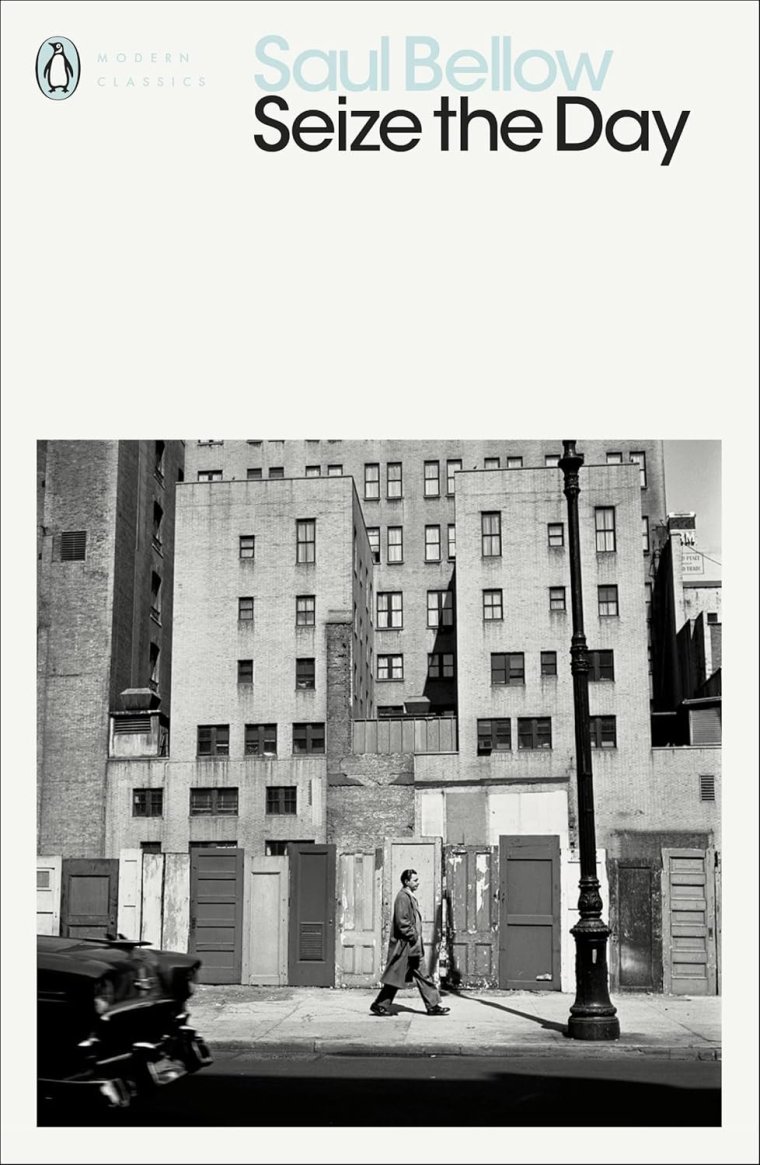
“This day-in-the-life story is one of my favorite Bellow novels. It follows Tommy Wilhelm, who is a travelling salesman who’s hit a rough patch. He’s separated but his wife won’t give him a divorce. He recently quit his job (the bosses were trying to muscle him out anyway) and can’t afford the childcare payments or his monthly rent at the residential New York hotel where he lives. His wealthy father, a retired successful doctor, lives there, too – Tommy just wants a little love and sympathy from him, not money.
“But he also needs money… At forty-something he’s too old to start again, and yet he still feels all the pain and intensity of youthful uncertainty. I teach it every year and it’s an interesting test of my students’ sympathies. ‘After much thought and hesitation and debate,’ Tommy realises, ‘he invariably took the course he had rejected innumerable times. Ten such decisions made up the history of his life.’ And yet it’s not totally without hope or at least a sense of breakthrough at the end.”
Penguin Classics, £8.99
‘The Rest of Our Lives’, by Ben Markovits, is published by Faber, £9.99
