Volodymyr Zelensky has said that Ukraine will work on a plan for a ceasefire with Russia “in the coming ten days” as he reiterated Kyiv’s urgent need for long-range American weapons to pressure Vladimir Putin into ending the war.
The Ukrainian president called on Trump to go further in its support for Kyiv after Washington imposed tough sanctions on major Russian oil companies last week.
Zelensky said he welcomed the decision to hit Rosneft and Lukoil with sanctions, but told <a rel="nofollow" target="_blank" href="https://www.axios.com/2025/10/27/zelensky-trump-moved to the negotiating table without even more “pressure”.
“President Trump is concerned about escalation,” Zelensky told the outlet. “But I think that if there are no negotiations, there will be an escalation anyway. I think that if Putin doesn’t stop, we need something to stop him. Sanctions is one such weapon, but we also need long-range missiles.”
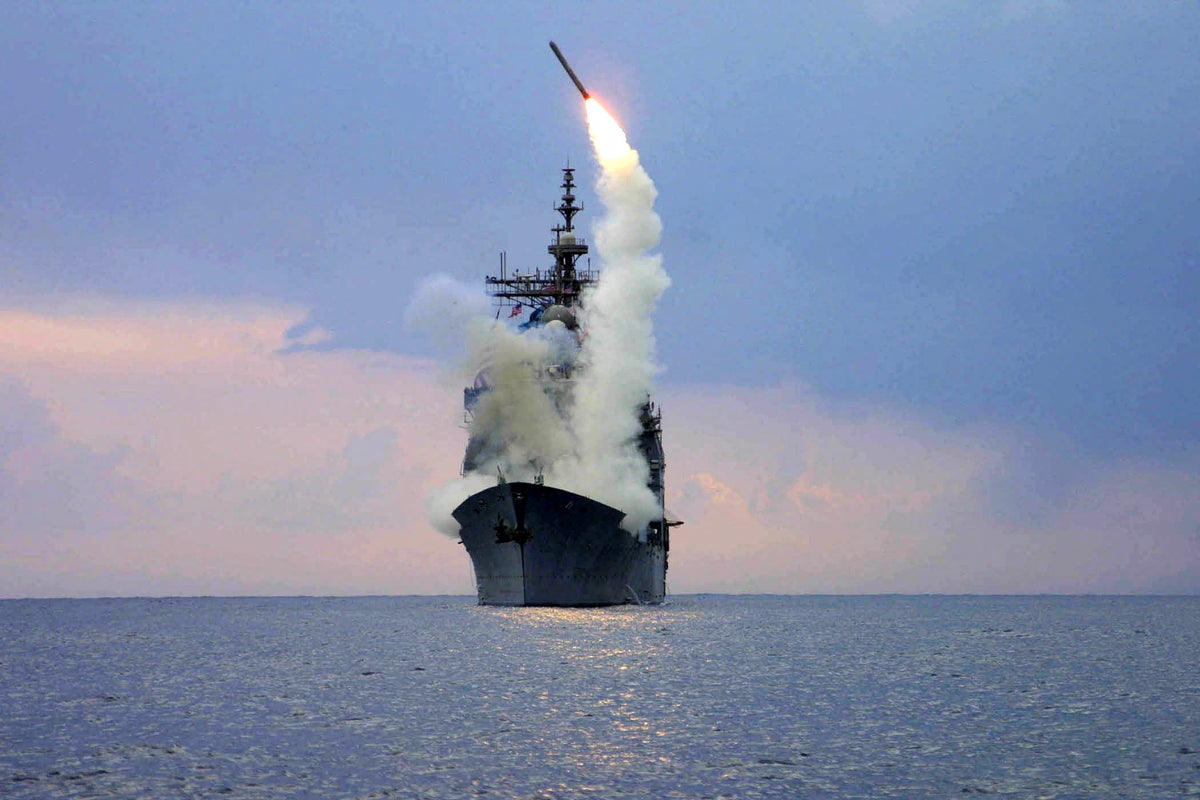
“We speak not only about Tomahawks. The U.S. has a lot of similar things that doesn’t require much time for training. I think the way to work with Putin is only through pressure,” he added.
Zelensky said that Ukraine and its allies had decided to proactively work on a plan for a ceasefire “in the next week or ten days”.
Trump recently signalled that he could be open to sending Ukraine the coveted Tomahawk missiles, but came away from a call with Putin earlier this month more apprehensive. At a meeting with Zelensky on 19 October, Trump told reporters he felt that the provision of long-range missiles could lead to “escalation”.
A private discussion between the leaders then descended into a “shouting match”, people familiar with the matter told the FT.
“My talks with President Trump were about pressure on Russia. I think he wanted to pressure them, but he didn’t want to make an escalation or close the window … for diplomacy,” Zelensky explained.
Zelensky renewed his call for support as Trump pivoted away from the idea of a summit with Putin, apparently over Russia’s continued refusal to move its demands and agree to a ceasefire along current lines. The Ukrainian leader, meanwhile, has shown willing to use existing battle lines as the basis for negotiations.
Zelensky has argued that Putin is not approaching peace prospects in good faith – something Trump appeared to recognise on 19 October when he said he might be being “played” by Putin.
“They did the same after Alaska,” Zelensky told Axios, referencing the August summit between Trump and Putin. “This is the third or fourth time when Putin and his people reject what Trump says.”
Since the disastrous summit between Zelensky and Trump in February, the Ukrainian president has been careful to align with Trump’s messaging, while highlighting where Russia has gone back on its word.
Zelensky met with Sir Keir Starmer and the ‘Coalition of the Willing’ in London last week, where allies publicly welcomed Ukraine’s support for a ceasefire and noted Putin’s rejection of one while escalating attacks on Ukraine.
Leaders also discussed the possibility of further sanctions on Russia and how they could unlock frozen Russian assets to help fund Ukraine’s defence.
Sanctions since imposed on Russian oil by the US will hit a major industry with a direct feed into Moscow’s war machine. Putin has indicated that they will not dramatically hurt the economy. But Zelensky said the Kremlin was rattled by the move.
Within days of the announcement, Putin said Russia had tested a new nuclear-powered and nuclear-capable cruise missile, which is claimed to have an unlimited range and the potential to evade American air defences.
Former Russian prime minister Sergey Stepashin said the Burevestnik, as well as the Oreshnik missile tested last November, would make Ukraine think twice about attacking Russia, even if the US does provide Tomahawk missiles.
The International Institute for Strategic Studies, quoting a specialist Russian military journal in 2021, said the Burevestnik would have a notional range of up to 20,000 km (12,400 miles), so could be based anywhere in Russia and strike targets in the United States.
